
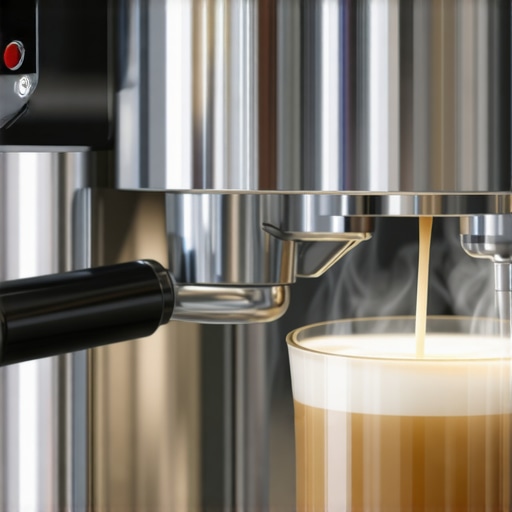
4 Steam Wand Height Fixes for a Silkier 2026 Flat White
It was a morning just like any other, but as I tilted my new 2026 espresso machine’s steam wand to froth my milk, I was met with a sudden spray of hot, sputtering milk instead of the creamy microfoam I was craving. The microfoam was grainy, the pour was uneven, and my planned artful swirl ended up looking like a rushed doodle. Frustrating, right?
That lightbulb moment made me realize how critical steam wand height adjustments are—yet, so many Baristas overlook this small tweak that can make a big difference. If you’ve ever faced similar issues—grainy milk, uneven microfoam, or disappointing latte art—you’re not alone. Today, I’m going to share four essential fixes for your 2026 steam wand setup that will elevate your milk textures and turn your flat whites into café-quality creations.
Why Steam Wand Height Can Make or Break Your Microfoam
Most people focus on the milk type, temperature, or steaming time, but the *exact position* of your steam wand relative to the milk surface can be a game-changer. An incorrect height can cause uneven heating, sputtering, or even scorching, leading to those dreaded bubbles and streaks. Correcting your wand height isn’t just about aesthetics; it impacts taste, texture, and consistency. I learned this the hard way. Early on, I kept adjusting my milk but couldn’t get rid of the flat, lifeless microfoam. It was only after experimenting with wand position that I saw real improvement. Curious? Well, if you want to avoid wasting milk and time, mastering your wand height is essential. And for more insights on milk steaming techniques, you can explore advanced tips at [Milk Frother Techniques](https://milkfrothers.espressotechguide.com/mastering-milk-frother-techniques-elevate-your-latte-art-skills-at-dawn).
Is Proper Wand Position Overhyped or Critical?
Early in my journey, I thought I could fix all milk issues through temperature control alone—big mistake. The real breakthrough came when I realized the simple act of adjusting the wand’s depth made my microfoam smoother and more stable. It’s a detail that many overlook but is crucial for achieving that glossy, velvety finish. If you’ve been battling graininess or uneven microfoam, this tiny tweak might be the missing piece. Ready to dive into specific fixes? We’ll walk through four easy adjustments that will revolutionize your steaming game.
Position the Wand Precisely Over the Milk
During my first few attempts, I overlooked how crucial the wand’s distance was. I once had it too deep, causing uneven heating and sputtering, just like I described in my early days. To fix this, position the steam wand just slightly below the milk surface—about an inch—and ensure it remains steady. This setup creates the vortex needed to incorporate air into the milk evenly, resulting in smooth microfoam. Think of it like stirring cream into coffee—you want a gentle, consistent whirl, not a frantic splash. To see this in action, check out tips for perfect latte art.
Adjust the Wand Depth for Consistent Microfoam
Once I found the right distance, I noticed the microfoam became more stable and glossy. If you go too high, you’ll struggle with large bubbles; too low, and you risk scorching the milk or creating streaks. Finding that sweet spot is like tuning a musical instrument—small tweaks make a big difference. I recommend starting with the wand about 1 inch below the surface, then slowly lowering or raising it to see how the microfoam responds. This method helps produce cupcakes of microfoam—velvety and dense, perfect for latte art. For advanced techniques, consider exploring latte art mastery.
Position the Milk Pitcher Correctly for Steady Steam
My mistake was tilting the pitcher too much, which disrupted the vortex. To improve, hold the pitcher close to the steam wand, keeping the spout aligned horizontally—a bit like steering a bicycle steadily. This positioning allows the steam to enter the milk smoothly, avoiding splashes or sputtering. During my third session experimenting with pitcher angle, I managed to produce consistent microfoam that responded beautifully to my pouring, leading to crisp rosettas. Think of it as pouring paint—control over tilt and angle gives you more precise strokes. For pouring finesse, look at pouring hands-on tips.
Master the Pitcher Grip for Better Microfoam Control
Holding the pitcher firmly but comfortably helped me better control my pour. A loose grip led to shaky streams, ruining my latte art attempts. Imagine holding a baseball—firm enough to direct the flow but not so tight that your hand trembles. Practicing this grip made my microfoam smoother and reduced splashes. The key is consistent pressure—like pressing a button gently but firmly. This control is especially useful when doing intricate shapes or delicate pouring techniques. If you want to take your skills further, consider reading hand positioning for perfect art.
Many baristas believe that milk temperature is the primary factor in achieving velvety microfoam, but in my experience, the *texture and stability* hinge more critically on precise steaming techniques and understanding milk properties. A widespread myth is that a higher steam pressure guarantees richer foam, yet expert studies show that optimal microfoam results from controlled, gentle steaming—over-pressurizing can lead to large bubbles and uneven textures. Remember, the nuances in wand positioning, pitcher angle, and milk composition often trip up even seasoned baristas. For example, over-aerating milk without adjusting the wand depth causes frothy, unstable foam, detracting from latte art quality. Want to master these subtle adjustments? Explore advanced tips in [unlocking latte art potential](https://milkfrothers.espressotechguide.com/unlocking-latte-art-potential-with-advanced-milk-frother-tips-at-night).
One common trap is chasing the perfect foam by obsessing over temperature alone. While temperature affects sweetness and mouthfeel, the *microstructure*—the size and uniformity of bubbles—dictates the microfoam’s quality. Using a thermometer isn’t enough; consistent technique is key. Additionally, many mistakenly believe that all milk types foam equally. In reality, plant-based milks like almond or coconut require different steaming approaches, with added caution to avoid curdling or separation. For specialized guidance, [fixing milk microfoam issues](https://milkfrothers.espressotechguide.com/why-your-2026-microfoam-tastes-flat-the-145f-steaming-rule) offers insights into what subtle adjustments matter most.
Ever wondered why some lattés with perfect foam fail to hold their shape or develop bubbles while others stay silky and stable? The answer lies in the *initial milk temperature* combined with *steaming at the right pressure*. Too hot or too cold, and proteins don’t bond properly, leading to collapsing microfoam. Newer steaming devices with precise control controllers can mitigate these issues, but understanding your milk’s properties and adjusting wand position accordingly is vital. For advanced techniques, see [secrets of perfect steaming](https://milkfrothers.espressotechguide.com/secrets-of-perfect-milk-steamer-crema-a-late-morning-guide).
### Does a higher pressure or more aggressive steaming yield better microfoam?
Many believe increasing steam pressure boosts foam richness, but research indicates that controlled, moderate pressure produces finer, more durable microfoam. Excessive pressure causes over-aeration, resulting in large, unstable bubbles that quickly collapse—especially problematic in dairy and plant-based alternatives. Ensuring your steam wand’s depth, angle, and pressure settings are finely tuned will give you more consistent results than simply cranking up the steam. For a comprehensive look at equipment settings, check out [best steamers for silky microfoam](https://milkfrothers.espressotechguide.com/7-best-steamers-for-glassy-2026-microfoam-tested).
In summary, achieving an expert level of microfoam and latte art demands more than just basic knowledge; it involves mastering nuanced control over milk properties, steaming parameters, and equipment settings. Don’t fall into the trap of focusing on singular factors like temperature or pressure without considering the overall technique and milk selection. Remember, consistent practice paired with understanding these hidden details makes all the difference.
Have you ever fallen into this trap? Let me know in the comments!
Maintaining Your Milk Steamer for Long-Term Perfection
To keep your milk steamer and frothing setup performing at a professional level, regular maintenance is essential. Start by descaling your steam wand every few weeks, especially if you notice any sputtering or inconsistent steam pressure. Use a descaling solution recommended by your manufacturer or a vinegar-water mixture to prevent mineral buildup that can affect steam quality. Additionally, lubricate the steam wand’s moving parts periodically with food-grade lubricant to ensure smooth operation. Keeping the steam tip clean from milk residue prevents clogging and preserves microfoam consistency. A clean, well-maintained steamer results in predictable steam pressure and microfoam texture, making future sessions more effortless. Want to learn more about the intricacies of steam wand upkeep? Check out Secrets of Perfect Milk Steamer.
Tools I personally rely on for consistent microfoam
My go-to toolkit includes a precision temperature PID controller connected to my milk steamer, allowing me to maintain stable and optimal milk temperatures throughout steaming. This device helps avoid over-pressurizing or under-steaming, which can compromise microfoam stability. I also use a calibrated digital thermometer with a thin probe for quick readings; accuracy is non-negotiable when perfecting microfoam textures. For controlling steam pressure precisely, I prefer a commercial-grade steam wand with adjustable pressure settings, ensuring I can tailor the power to different types of milk and desired foam density. Pro tip: investing in a high-quality milk pitcher with etched measurement marks helps in adjusting pitcher tilt and angle consistently, which directly impacts microfoam quality. If you’re interested in more advanced tools, exploring Top Steamers for Microfoam can provide additional options for both home baristas and professionals.
What’s Ahead for Flavor and Foam Control
As technology advances, I predict that smart steaming devices equipped with AI-based feedback systems will become commonplace. These tools will monitor temperature, pressure, and foam texture in real-time and offer corrective suggestions through a connected app—making microfoam perfection more accessible than ever. Already, some high-end machines integrate sensors that alert you when the milk reaches optimal microfoam consistency, removing guesswork and reducing waste.
How do I maintain my tools over time?
The key to sustained performance lies in routine cleaning and calibration. For instance, after each steaming session, flush the wand with hot water to remove milk residues. Regular calibration of pressure settings, temperature sensors, and steam output ensures your equipment remains aligned with manufacturing specifications. Also, storing equipment properly—keeping wands detached or covered to prevent dust buildup—preserves their longevity. For in-depth guidance on tool upkeep, see Powerful Milk Steamers. Before your next steaming session, try adjusting your wand’s depth based on your recent results; small changes can yield noticeably better microfoams. Remember, consistent care and fine-tuning are the secrets to professional-level microfoam day after day.
The Hardest Lesson I Learned About microfoam,cappuccino,latte art,milk frother,milk steamer
One of the most profound realizations I had was that even when I thought I knew the right temperature or technique, the microfoam quality still varied wildly. It turns out, the small details—like the wand’s exact depth or the pitcher tilt—play a pivotal role in microfoam consistency. Over time, I discovered that obsessing over these nuances, rather than just settings, transformed my approach, leading to smoother milk and cleaner latte art.
3 Myths About microfoam,cappuccino,latte art,milk frother,milk steamer That Held Me Back
I used to believe that higher pressure always created better microfoam—that’s false. I also thought plant-based milks couldn’t produce velvety microfoam, which isn’t entirely true with proper technique. Lastly, I thought temperature was king; in reality, the control of wand position and airflow mattered more. Letting go of these myths opened new possibilities for latte perfection.
Tools That Changed My Coffee Game for Microfoam Mastery
I rely on a PID temperature controller to keep milk at precise temperatures, preventing over- or under-steaming. A digital thermometer with a fine probe helps me monitor microfoam texture in real-time. For the steaming process, I prefer a wand with adjustable pressure, offering tailored control for different milk types. Additionally, a high-quality etched pitcher allows for consistent tilt angles—crucial for uniform microfoam. To explore the best equipment, check out top steamers for silky microfoam.
It’s Time to Take Microfoam to the Next Level
Embrace the small adjustments, stay curious about your equipment, and always be willing to refine your technique. The difference between good and extraordinary microfoam lies in the details—like wand depth, pitcher angle, and milk selection. Every steaming session is an opportunity to learn something new. Your journey toward café-quality microfoam continues with patience and attention. Are you ready to elevate your milk steaming skills and impress every time? Share your experiences or questions below—let’s grow together in this craft!
,