
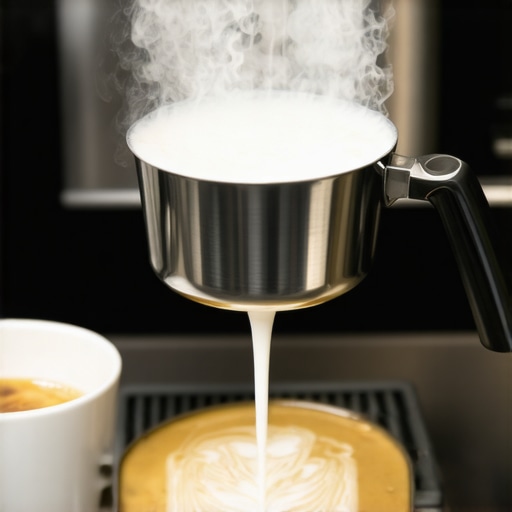
Master Microfoam & Milk Steamer Tips for Perfect Cappuccino & Latte Art
Have you ever pulled a shot of espresso, only to struggle with frothing the milk just right? I remember countless mornings where I tried to craft that perfect cappuccino, only to end up with flat, bubbly, or overly frothy milk that ruined my latte art dreams. It’s frustrating, isn’t it? You invest in a good espresso machine, but then the milk steaming process becomes a mysterious art you can’t quite master. I’ve been there. The lightbulb moment came when I realized that mastering microfoam and milk steaming isn’t about fancy equipment alone; it’s about understanding the science and technique behind it.
Why Mastering Microfoam & Milk Steamer Tips Matters
Getting that silky, velvety microfoam is the secret ingredient for a stunning cappuccino or latte art. Not only does it enhance the flavor and texture, but it also allows you to create those beautiful rosettas and hearts that wow friends and family. But why does it seem so elusive at first? It’s because many beginners overlook the importance of proper technique and the right tools. According to coffee experts, microfoam should be smooth and glossy, resembling wet paint, rather than frothy or bubbly. Achieving this takes practice and understanding of milk steaming principles. If you’ve faced the common problem of inconsistent foam, don’t worry; I’ve been there, too. Early on, I made the mistake of steaming milk too quickly or at the wrong angle, which led to large bubbles and uneven texture. That’s why I want to share the most effective tips I’ve learned along my coffee journey.
Is Microfoam & Milk Steaming Actually Worth the Hype?
Absolutely. I used to think that a good espresso was enough, but once I mastered the art of steaming milk properly, everything changed. The difference in taste, texture, and presentation was night and day. One thing I discovered is that even a simple latte becomes a work of art with the right microfoam. If you’re skeptical, I get it. I’ve read that some believe the fuss over microfoam is exaggerated, but scientific studies show that microfoam improves the overall sensory experience of coffee. Plus, it’s surprisingly simple once you understand the basics. My early mistake was rushing through the steaming process, which resulted in large bubbles and a dull finish. Learning the correct technique—like positioning the steam wand just below the surface of the milk and controlling the temperature—made all the difference. For more detailed tips, check out this guide on achieving perfect microfoam.
Now that I’ve cracked the code, I want to help you do the same. Whether you’re a home barista or looking to elevate your café skills, understanding these microfoam and steaming fundamentals can transform your coffee routine. Ready to take your latte art to the next level? Let’s dive into the practical steps that will turn your milk into a silky canvas for beautiful designs.
Start with Proper Milk Selection and Equipment Setup
Choose fresh, cold milk—whole milk usually yields the best microfoam because of its fat content, but skim milk can produce lighter foam. Fill your pitcher only up to the spout level to avoid splashing and ensure even steaming. Before you begin, purge your steam wand by releasing steam for a few seconds; this clears any residual water and prepares the wand for dry, consistent steam.
Positioning and Technique for Steaming Milk
Position the Steam Wand Correctly
Insert the steam wand just below the milk surface at a slight angle, aiming to create a whirlpool. This motion helps incorporate air evenly. I remember my first attempt—initially, I placed the wand too deep, resulting in flat, bubbly foam. When I adjusted to just below the surface, the foam became silky and glossy.
Control the Temperature
Use a thermometer or learn to feel the pitcher’s side—ideal milk temperature is around 140–150°F (60–65°C). Overheating kills the microfoam, making it bubbly or burnt-tasting. I once overheated the milk, and the foam turned into large bubbles, ruining my latte art attempt. Practice makes perfect—aim for smooth, velvety microfoam.
Creating the Perfect Microfoam Texture
Incorporate Air Gradually
Start with a quick blast of steam to introduce air—listen for a gentle hissing. Once the milk’s volume increases slightly (about 20%), submerge the wand deeper to heat and spin the milk consistently. This creates the smooth, glossy microfoam that looks like wet paint. I once rushed this step, and my foam was bubbly and dull; slowing down resulted in a beautiful, shiny microfoam.
Master the Texturing Motion
Keep the pitcher at a slight angle and rotate it in your hand as you steam. This ensures even heat distribution and a uniform microfoam. Think of it like stirring a paintbrush in a can—consistent motion creates a smooth surface. When I finally adopted this technique, my latte art improved dramatically.
Finishing and Pouring for Artistry
Once the milk is heated and textured, tap the pitcher gently on a counter to remove any large bubbles. Swirl the milk to integrate the foam and liquid properly. Pour slowly, starting from a higher position to combine the milk and espresso, then lower the pitcher to craft your design. Precision pouring is key—practice pouring in a steady, controlled manner to develop your latte art skills.
For more advanced techniques, explore this guide on mastering milk frother techniques. Remember, consistent practice is essential—each session teaches you subtle adjustments that lead to perfect microfoam every time.
While many home baristas and even seasoned coffee enthusiasts focus on the basics of milk steaming, there are some often overlooked nuances that can make or break your microfoam quality. One prevalent misconception is the belief that high-end equipment alone guarantees perfect microfoam. In reality, technique and understanding the science behind milk behavior are just as critical. For instance, many assume that increasing steam pressure will automatically produce better foam, but this can lead to overheating or large bubbles if not managed properly. According to coffee science expert Dr. David Schomer, controlling the temperature and airflow during steaming is paramount for achieving that silky microfoam we all desire. You can explore detailed techniques in guides like this resource on steaming secrets.
What most people get wrong about milk steaming and microfoam
One common mistake is overfilling the pitcher. Many think that filling it to the brim will help produce more foam, but in reality, it hampers the barista’s ability to control the motion and temperature evenly. The ideal fill level is roughly one-third to halfway up the pitcher, allowing space for the milk to expand and for you to manipulate it properly. Additionally, beginners often try to incorporate too much air too quickly, leading to large, bubbly foam instead of fine microfoam. Slow, gradual air incorporation combined with proper positioning of the steam wand is the key to velvety microfoam.
Another misconception is that the temperature is not crucial. Many underestimate the importance of reaching the right temperature—around 140–150°F (60–65°C)—which ensures microfoam is smooth and glossy without becoming bubbly or burnt-tasting. Overheating milk not only ruins the texture but also diminishes flavor. For advanced users, managing temperature precisely, perhaps with a thermometer, is a game-changer.
Advanced tip: How does milk composition affect microfoam?
Many coffee lovers overlook that milk composition—fat, protein, and sugar content—significantly impacts microfoam quality. Whole milk tends to produce creamier, more stable microfoam because of its higher fat content, while skim milk creates lighter, more airy foam. However, the key is also in the protein structure, which acts as a stabilizer for microbubbles. According to a recent study published in the Journal of Food Science, milk with higher protein levels forms more stable microfoam, provided it is properly steamed. This nuance is often missed by beginners who focus solely on technique without considering milk quality and composition. For detailed insights, check out this comprehensive guide.
Have you ever fallen into this trap? Let me know in the comments. Understanding these hidden nuances can elevate your coffee game from good to extraordinary, so keep experimenting and refining your technique!
Keeping your milk frothing setup in optimal condition is crucial for producing consistently silky microfoam. Over time, even the best equipment can develop issues that affect performance. Regular maintenance not only prolongs the lifespan of your tools but also ensures every cup meets your high standards. One of my favorite practices is to regularly descale and clean my steam wand and milk pitcher, which prevents milk residue buildup that can clog or impair steam flow. For instance, using a descaling solution recommended by espresso machine manufacturers helps prevent mineral buildup, especially if you have hard water. Additionally, cleaning the steam wand after each use with a damp cloth and a quick purge of steam prevents milk residues from hardening, which can compromise foam quality. I also recommend inspecting the steam tip periodically for blockages; a tiny clog can drastically reduce steam pressure and lead to uneven microfoam.
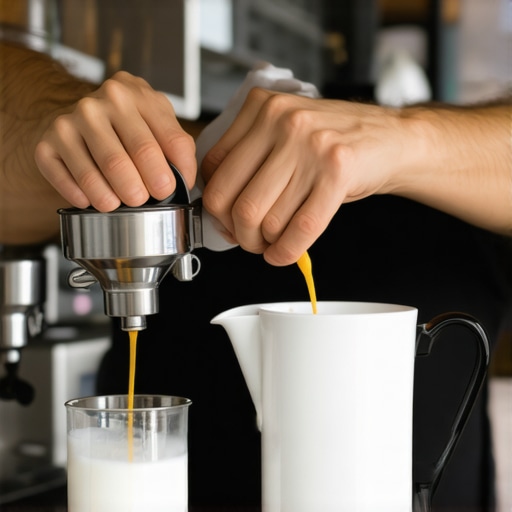
When it comes to tools, I personally swear by a high-quality stainless steel milk pitcher with a narrow spout. The precise pour control it offers has been a game-changer for my latte art. Investing in a good thermometer is equally important—digital models with quick response times help me gauge milk temperature accurately, avoiding overheating. For advanced users, a dedicated milk frothing pitcher with measurement marks can help maintain consistent milk levels, which is essential for reproducibility. Using a dedicated steaming station or a precision-controlled steam wand can also help keep steam pressure steady, especially if you’re scaling up for a small café operation.
As technology advances, automated milk frothers equipped with temperature and texture sensors are gaining popularity. These devices can produce microfoam with minimal effort, making them ideal for busy mornings or budding baristas. However, I believe that mastering manual tools alongside these innovations will give you the best long-term results. Regularly calibrating your equipment, combined with proper cleaning routines, ensures your microfoam remains top-notch over months and years.
How do I maintain my milk steaming equipment over time?
Regular maintenance involves descaling, thorough cleaning, and replacing worn parts like steam wands or gaskets. Scheduling monthly deep cleans and inspecting your tools for wear helps prevent unexpected breakdowns. For detailed routines, I recommend checking out this guide on steaming secrets. By staying proactive, you’ll enjoy consistent microfoam quality and extend the lifespan of your investment.
Prediction for the future of microfoam tools suggests an increased integration of smart sensors and AI calibration features, making it easier than ever to maintain perfect textures with minimal effort. Whether you prefer manual mastery or automated convenience, regularly maintaining your tools is the key to long-term success. So, try out a high-quality thermometer or schedule a monthly cleaning routine—you’ll notice the difference in every cup.
The Hardest Lesson I Learned About Microfoam
One of my biggest lightbulb moments was realizing that rushing the steaming process only leads to large bubbles and dull microfoam. Patience and gradual air incorporation are key—sometimes, slow and steady truly wins the race.
3 Myths About Milk Steaming That Held Me Back
I used to believe that more pressure meant better foam, but I discovered that controlling temperature and positioning the wand is far more critical. Debunking this myth transformed my approach and improved my microfoam quality.
What Experts Won’t Tell You About Latte Art Preparation
Many overlook the importance of milk composition. Using milk with the right fat and protein content, like whole milk, makes a noticeable difference in achieving silky microfoam. This personal insight helped me elevate my latte art game considerably.
Curated Recommendations for Perfect Microfoam
- Milk Frothing Thermometer: Precise temperature control is essential; I trust my digital thermometer for consistent results.
- Stainless Steel Milk Pitcher: A narrow spout gives me better pour control, crucial for latte art.
- Detailed Guides on Milk Steaming: Resources like this guide have been invaluable for refining my technique.
- Cleaning and Maintenance Tools: Regularly descale and clean my steam wand to prevent residue buildup, ensuring each session produces optimal microfoam.
Your Turn to Try Microfoam Mastery
Mastering microfoam and milk steaming is an art that rewards patience, practice, and a bit of science. I encourage you to experiment with your techniques, invest in quality tools, and enjoy the journey of elevating your coffee experience. Every perfect microfoam shot is a step closer to coffee perfection—so go ahead, give it a try today!
What’s been your biggest challenge in creating microfoam? Share your experiences below—I’d love to hear your journey!
This post really hits home for me, especially the emphasis on technique over equipment. I’ve learned that even a modest steaming wand can produce amazing microfoam when used correctly, but I used to rush the process, leading to those undesirable large bubbles. Patience is definitely key. I started focusing on controlling the temperature and positioning my wand just below the milk surface; the difference in the microfoam texture was night and day. What I find challenging sometimes is maintaining a consistent technique, especially when I’m in a rush—any tips on staying calm and methodical during busy mornings? Also, I’ve noticed that milk choice really impacts the final outcome; I prefer whole milk for its richer microfoam, though I’ve seen some folks do well with skim or plant-based options too. How do others approach milk selection for different types of drinks? Would love to hear more tips on perfecting microfoam at home!
This article really resonates with me because I’ve also experienced the frustration of inconsistent microfoam, especially on hectic mornings when timing gets tight. I agree that patience and technique are paramount—forcing the steam wand or rushing the process almost always results in larger bubbles or uneven foam. I’ve found that maintaining a steady hand and practicing the gradual incorporation of air makes a huge difference. Speaking of milk, I prefer using whole milk for its richer texture, but I’ve tried plant-based options like almond milk, and while they are trickier, proper technique can still produce decent microfoam. Has anyone experimented with alternative milk types for latte art? Also, I’d love to know how others keep their equipment in top shape; I’ve started descaling my steam wand regularly, which really improves the microfoam quality. What’s your go-to routine for cleaning and maintenance? Honestly, mastering the basics has transformed my coffee game, and I’m excited to keep refining my skills.
This post really nails the importance of technique and patience when it comes to microfoam. I used to think that having the right equipment was enough, but I quickly learned that even a modest steam wand can produce excellent microfoam if used correctly. One thing I’ve found helpful is focusing on consistent motion and temperature control, which has really improved my latte art skills over time. It’s interesting how milk type and even brand can influence the final foam quality—sometimes, I experiment with different kinds to find what works best for my style. I also find that taking a moment to clean my steam wand thoroughly after each use prevents residue buildup and keeps my microfoam smooth. What are some of the subtle techniques you all use to maintain a calm, steady hand when steaming under pressure? Would love to hear tips from others balancing speed with quality — making good microfoam doesn’t have to be a rush!” ,