
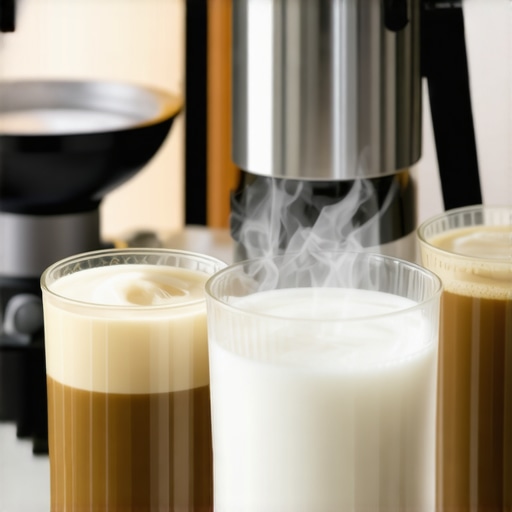
Ultimate Guide to Milk Frothers & Steamers for Perfect Latte Art
Ever tried to craft that perfect leaf or rosette on your latte, only to end up with a muddled mess of milk? Been there. I remember the lightbulb moment when I realized my old, cheap milk frother was the culprit. No wonder my attempts at latte art looked more abstract than artistic! That frustration fueled my quest to find the right tools and techniques, and let me tell you—investing in a quality milk steamer or frother changed everything.
Why Your Coffee Deserves the Best Milk Frothing Tools
Let’s face it—good coffee is an art. And microfoam is its canvas. If you’re serious about elevating your home brewing game, you need to understand that not all milk frothers are created equal. The right device can turn ordinary milk into a silky, velvety foam that makes your latte not just a drink but a visual masterpiece. Plus, a proper steamer or frother won’t just save you time; it will also boost your confidence behind the machine, making every cup feel like a barista’s creation.
Is All the Hype About Milk Frothers Justified?
Early on, I bought a cheap handheld frother thinking it was enough. Big mistake. It barely created any microfoam, let alone the kind needed for latte art. I learned that rushing the process or choosing the wrong device is a common mistake that hampers your progress. Many beginners overlook the importance of proper steaming techniques, which can be the difference between a latte that looks beautiful and one that’s just okay. For a deeper dive into essential tips, check out this comprehensive guide.
Pick the Right Equipment for Microfoam Success
Start your journey by choosing a milk frother or steamer that suits your skill level and goals. For beginners, a handheld frother might seem appealing, but it often falls short in producing the microfoam needed for latte art. I once bought a cheap handheld device, and the results were disappointing—thin foam that collapsed quickly. Upgrading to a quality steam wand or electric frother made an immediate difference, providing smooth, glossy microfoam that holds its shape. Check out this guide to find the best tools for your needs.
Master the Steam Wand Technique
Using a steam wand effectively is like wielding a paintbrush—you need control and finesse. Begin by filling your pitcher with cold milk, filling it about one-third full to allow room for expansion. Submerge the tip just below the milk’s surface, then turn on the steam. As the milk begins to warm, tilt the pitcher slightly to create a whirlpool—this is essential for microfoam. I remember my first attempt, where I kept the wand too high, resulting in large bubbles and a lumpy texture. Over time, I learned to listen for a gentle hissing sound and watch for a silky texture. Practice makes perfect, and consistency is key. For detailed techniques, see this expert guide.
Create Fluffy Microfoam
Achieving microfoam that’s both silky and stable takes patience. After steaming, tap the pitcher on the counter to settle larger bubbles, then swirl the milk to incorporate the foam evenly. The goal is a glossy, paint-like texture that flows smoothly when poured. I once hurried through this step, and my latte art looked like abstract blobs. When I slowed down and focused on creating a uniform, shiny microfoam, my designs became much cleaner. Remember, microfoam is the foundation of stunning latte art. For advanced tips, explore this resource.
Perfect the Pour Technique
Pouring is where your microfoam transforms into art. Start by tilting your cup slightly and pouring from a height of about 2-3 inches to integrate the foam with the espresso. As the cup fills, bring the pitcher closer and lower the pour speed, moving in a controlled, steady stream. To create a leaf or rosette, wiggle the pitcher slightly side to side while pouring. My first attempts were shaky, but watching online tutorials and practicing consistently helped me develop a steady hand. The key is patience and precision. For more pouring secrets, visit this detailed guide.
Refine Your Skills with Practice
Like any art, mastering latte foam takes dedication. Set aside time regularly to practice steaming, pouring, and designing. Record your progress with photos or videos to identify areas for improvement. Remember, even professional baristas spend years honing their craft, so don’t get discouraged by initial messes. With persistence, your latte art will become more intricate and consistent. For comprehensive training, check out this advanced tutorial.
Many coffee enthusiasts jump into milk frothing with enthusiasm but often fall prey to misconceptions that hinder their progress. Let’s dig deeper into what most people get wrong about creating perfect microfoam and latte art, and how understanding these nuances can elevate your barista skills.
Challenging the Popular Belief of ‘More Power Means Better Microfoam’
It’s a common myth that cranking up the steam power or using the most powerful frother guarantees superior microfoam. In reality, too much force can cause large bubbles and uneven textures, making it harder to achieve that silky consistency essential for latte art. Skilled baristas focus on control and finesse rather than brute force. For instance, mastering the correct steam wand technique—like positioning the tip just below the surface of cold milk and creating a whirlpool—trumps simply increasing steam pressure. If you want to refine your technique, consider reviewing this expert guide.
Are Higher Temperatures Always Better for Foam?
Many believe that steaming milk to higher temperatures yields denser, creamier foam. However, exceeding 150°F (65°C) risks burning the milk and destroying its delicate proteins, which are crucial for microfoam formation. Optimal steaming typically occurs between 130°F and 150°F (54°C – 65°C). Beyond this, you risk making the milk bitter or causing the foam to collapse quickly, ruining your latte art potential. A study published in the Journal of Food Science confirms that controlling temperature precisely leads to better microfoam quality. Therefore, patience and temperature awareness are key—don’t rush to heat the milk excessively.
Why Many Overlook the Importance of Milk Quality and Type
It’s not just about the frothing technique; the type of milk plays a pivotal role. Whole milk tends to produce creamier, more stable microfoam due to its higher fat content, while skim milk creates lighter, less stable foam. Many beginners overlook this, sticking to whatever milk is available, but the difference can be night and day. For advanced results, experimenting with different milk types and brands can make a noticeable impact. Check out this resource for detailed insights on milk selection.
Beware of the Trap of Over-Texturizing
Another common mistake is over-agitating the milk during steaming, which can break down the proteins and cause the foam to become dry and frothy rather than silky. This often happens when beginners focus solely on creating lots of foam without paying attention to texture. The goal is to achieve a smooth, glossy microfoam that flows like paint. Over-texturizing can lead to larger bubbles and uneven foam, making latte art impossible. Practice with patience, and remember, less is often more. For tips on perfect microfoam, see this guide.
Have you ever fallen into this trap? Let me know in the comments! Mastering milk frothing isn’t just about equipment; it’s about understanding the nuances and avoiding these common pitfalls. By controlling temperature, focusing on milk quality, and practicing proper technique, you’ll soon be creating microfoam that’s worthy of a professional barista. Remember, the journey to latte art mastery involves continuous learning and experimentation. For further insights, don’t hesitate to reach out.
Keeping your milk frothing equipment in top shape is crucial if you want consistently stunning microfoam and latte art. Over time, even the best tools need proper care to stay performing at their peak. I’ve found that a dedicated approach to maintenance not only prolongs the lifespan of my equipment but also ensures that each cup I craft looks and tastes exceptional.
How do I maintain my milk frother and steamer over time?
First, always rinse your steam wand or frother immediately after use. Residual milk can clog nozzles or cause build-up that hampers performance. For manual steam wands, I recommend wiping the tip with a damp cloth and purging it with steam to clear any milk residues. Electric frothers, on the other hand, benefit from regular cleaning with mild soap and water, avoiding harsh chemicals that may damage the internal components.
It’s also wise to descale your equipment periodically, especially if you live in an area with hard water. Descaling prevents mineral build-up that can affect temperature control and steam pressure. Follow the manufacturer’s instructions or use a vinegar solution—typically a 1:1 mix of water and white vinegar—then run the machine empty to flush out any deposits. For detailed guidance, check out this comprehensive guide.
What tools do I recommend for maintenance?
In my experience, a high-quality cleaning brush designed for steam wand tips is indispensable. It allows me to remove stubborn milk residues without damaging delicate parts. Additionally, I use a descaling solution recommended by espresso machine manufacturers, ensuring that my equipment stays clean and efficient. For storage, I keep my frother and steam wand in a dry, dust-free environment, which prevents corrosion and maintains hygiene.
Investing in the right tools for maintenance makes a noticeable difference. It’s like tuning a musical instrument—regular upkeep ensures everything works harmoniously, giving you flawless microfoam every time. As trends evolve, I predict that automated cleaning systems integrated into the equipment will become more prevalent, making maintenance even easier for home baristas and professionals alike.
Why routine maintenance is key for long-term success
Consistent care extends the lifespan of your equipment, saves you money, and guarantees the best microfoam quality. From descaling to cleaning nozzles, each step prevents common issues like uneven steam pressure or poor foam texture. Make it part of your routine—after every use, give your tools a quick rinse and wipe, and schedule a deep clean monthly. This habit not only preserves your investment but also sharpens your skills as a latte artist.
If you’re serious about elevating your craft, don’t forget to explore this resource for advanced maintenance techniques and tool recommendations. Try implementing a simple cleaning regimen today, and watch your microfoam and latte art improve over time!
The Hardest Lesson I Learned About Milk Frothing
One of my biggest lightbulb moments was realizing that control beats power every time. I used to think cranking up the steam would give me better microfoam, but it often led to large bubbles and uneven textures. The real breakthrough came when I learned to finesse my technique, focusing on gentle control and patience.
My Essential Toolkit for Microfoam Success
Investing in a high-quality steam wand and a reliable electric frother changed my game. A good steam wand allows me to master the whirlpool technique, creating glossy microfoam. Meanwhile, a clean and well-maintained frother ensures consistent results. I trust brands like Breville and Sage because they combine durability with precision, making my latte art smoother and more professional-looking.
Embrace the Art of Patience in Milk Steaming
Microfoam isn’t something you rush. I used to hurry through steaming, which caused the milk to become dry and frothy instead of silky. Now, I focus on gentle, controlled steaming, listening for a soft hissing sound and watching for a shiny, paint-like texture. This patience has helped me craft microfoam that holds its shape and makes beautiful latte art possible.
What Experts Won’t Tell You About Perfect Microfoam
Many overlook the importance of milk quality. Whole milk with higher fat content produces creamier, more stable microfoam, while skim milk creates lighter foam that collapses quickly. Experimenting with different brands and types of milk has helped me find what works best for my setup. For deeper insights, I recommend checking out this resource.
Don’t Fall for the Myth That More Power Means Better Microfoam
It’s tempting to think that a stronger steam or more powerful frother will improve results, but in reality, finesse and control are key. Too much force causes large bubbles and uneven textures. Mastering the correct positioning of the wand and controlling temperature, usually between 130°F and 150°F, yields far better microfoam—the silky consistency that makes your latte art stand out.
Where to Go from Here
If you’re passionate about elevating your coffee craft, focus on refining your technique, choosing quality equipment, and understanding the nuances of milk. Practice consistently, record your progress, and don’t be afraid to experiment. Remember, every great barista started with small steps; your journey to perfect microfoam begins today. For more advanced tips, visit this detailed guide.
Reading through this comprehensive guide really resonated with my own journey in mastering latte art. I used to underestimate the importance of controlling the steam wand; I thought higher heat and more pressure would do the trick. However, I quickly learned that finesse and patience are essential for creating those perfect, glossy microfoams that hold their shape. One challenge I faced was maintaining consistent temperature; sometimes my milk would cool too quickly or heat unevenly, ruining the microfoam. I found that investing in a thermometer and focusing on gentle, slow steaming made a huge difference in my results. Have others found a particular tool or technique that helped stabilize their milk temperature during steaming? I’d love to hear what works for everyone.
This post really hits home for me, especially the importance of controlling the steaming process. I used to rush through steaming, trying to get the milk hot as quickly as possible, which resulted in uneven textures and foam that collapsed fast. Recently, I invested in a quality thermometer, and it’s been a game-changer in stabilizing my milk temperature. I’ve also started to focus on creating a whirlpool motion and listening for that gentle hissing sound—these small adjustments have significantly improved my microfoam consistency. I wonder if others have any tips on how to maintain that perfect temperature consistency during busy mornings? Sometimes, I find my milk temperature fluctuates even with a good thermometer, especially if I get distracted. Do you think pre-heating the pitchers or keeping milk at a steady temperature in the fridge before steaming helps? Would love to hear how fellow enthusiasts manage their heat to keep that microfoam silky and well-formed for latte art.