

Ultimate Microfoam Tips for Perfect Lattes & Cappuccinos 2024
Ever had that moment when you’re trying to impress someone with a beautifully crafted latte, only to end up with a bubbly, frothy mess instead of silky microfoam? I’ve been there, clumsily steaming milk, hoping for that perfect velvety texture, but ending up with froth that looked more like whipped cream than the smooth microfoam I craved. That lightbulb moment hit me hard — I realized I was missing some crucial microfoam secrets that could turn my coffee game around.
Why Microfoam Matters More Than You Think
Microfoam isn’t just about aesthetics; it’s the backbone of a great latte or cappuccino. It’s what makes the drink creamy, helps you create stunning latte art, and enhances the overall flavor experience. But here’s the kicker: many home baristas don’t realize how much technique influences microfoam quality. According to recent coffee research, microfoam enhances milk’s sweetness and reduces bitterness, elevating your coffee to cafe standards. So, if you’re tired of inconsistent results and want to elevate your coffee craft, understanding the ins and outs of microfoam is your golden ticket.
Is Microfoam Magic or Just Hype?
Honestly, I once thought microfoam was just an Instagram trend — something to impress friends but not essential. My early mistake? Overfilling the frothing pitcher, which made it impossible to get the right texture. Turns out, the quality of your microfoam depends on a few simple, yet often overlooked, steps. Once I corrected my technique, the difference was night and day. If you’ve faced similar frustrations, don’t worry — I’ll guide you through the key tips to achieve microfoam perfection. And if you’re skeptical about whether this really makes a difference, I get it. But trust me, once you master these tricks, your coffee will never be the same.
Ready to ditch the bubbly froth and embrace smooth, café-quality microfoam? Let’s dive into the practical tips that will transform your morning brew and make every cup a work of art.
Warm Up the Milk Properly
Start with fresh, cold milk for the best microfoam. Pour about a third of your pitcher with milk, then lock your steamer wand into place. Turn on the steam, and focus on getting the milk to around 140°F (60°C). This temperature is ideal for microfoam—hot enough to create silky texture but not so hot that it scorches the milk. I remember one morning when I rushed through this step, and my microfoam ended up bubbly and thin. Once I slowed down and patiently monitored the temperature, the silky results were worth it.
Positioning the Steam Wand
Insert the steam wand just below the surface of the milk at a slight angle. The goal is to introduce air gently into the milk to create tiny bubbles—think of it like whispering into the milk, not shouting. When I first started, I over-immersed the wand, causing large bubbles and uneven texture. Now, I keep the tip close to the surface, creating a gentle hissing sound, which signals proper microfoam formation. For optimal results, aim for a whirlpool motion—this helps the milk circulate evenly, breaking down larger bubbles into micro bubbles. Check out this guide for detailed wand positioning.
Master the Art of Texturing
Once you’ve introduced enough air, submerge the wand deeper into the milk and tilt the pitcher to create a vortex. This circulates the milk, smoothing out the microfoam and integrating air bubbles. I used to stop too early, leaving my foam frothy and uneven. Now, I wait until the pitcher feels slightly warm to the touch and the milk has expanded by about 50%, signaling good microfoam development. The key is to watch the motion of the milk—if it’s swirling smoothly and steadily, you’re on the right track.
Finish with a Silky Glide
Turn off the steam once the milk reaches the desired temperature and the pitcher feels warm but not hot. Tap the pitcher gently on the counter to remove any large bubbles, then swirl the milk to polish the microfoam. This polishing step ensures a uniform, shiny surface perfect for latte art. I learned this trick after a few failed attempts—swirling helps blend the microfoam into a glossy, paint-like consistency that pours beautifully. For detailed techniques, see this article.
Practice and Patience Are Key
Achieving café-quality microfoam takes practice. Don’t get discouraged if your first few attempts are bubbly or uneven. Each time, focus on controlling the wand position, temperature, and texturing process. With consistent effort, your microfoam will become smoother, creamier, and perfect for pouring stunning latte art. Remember, every barista started with messy microfoam—perfection comes with patience and persistence.
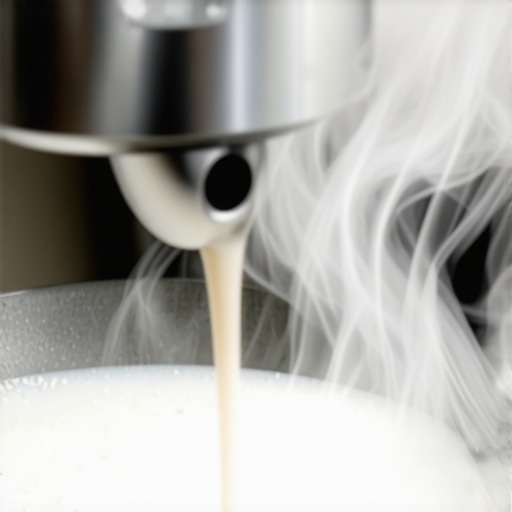
Many coffee enthusiasts believe that microfoam quality depends solely on equipment quality or raw milk freshness. However, the real nuances lie in technique and understanding common pitfalls that even seasoned home baristas fall into. Let’s dig deeper into what most people get wrong about microfoam and how to elevate your skills beyond basic steaming.
Why Overfilling the Pitcher Sabotages Your Microfoam
One of the most widespread misconceptions is that filling the pitcher to the brim produces better foam. In reality, overfilling restricts the movement of milk around the steam wand, making it difficult to control temperature and aeration. This often results in uneven, bubbly microfoam rather than the smooth, velvety texture you desire. To avoid this, stick to filling your pitcher only one-third full, which provides enough space for the milk to circulate properly and for you to manipulate the wand effectively.
Skipping Proper Temperature Control
Many home baristas underestimate the importance of precise temperature management. Steaming milk to the right temperature — typically around 140°F (60°C) — ensures microfoam develops with the right consistency and sweetness. Overheating not only scorches the milk but also destroys the delicate microbubbles, leading to a thin, bubbly foam. Using a thermometer can make this process more consistent. Remember, a common mistake is rushing the process; patience is key to achieving that silky microfoam.
Improper Wand Positioning and Technique
Another trap is incorrect wand placement. Plunging the wand too deep or too shallow affects the quality of microfoam. If the wand is too deep, you’ll produce large bubbles and uneven foam; too shallow, and you won’t incorporate enough air. The ideal position is just below the surface, creating a gentle hissing sound. Also, avoid moving the wand erratically—steady, controlled motions yield better results. For advanced techniques, consider creating a whirlpool effect by angling the pitcher and maintaining consistent wand placement, which helps break down larger bubbles into microfoam.
Are Some Milk Types Better for Microfoam Than Others?
While many assume that all milk produces similar microfoam, the type of milk significantly impacts the outcome. Whole milk generally yields richer, creamier microfoam due to its higher fat content, but it can also be trickier to control. Skim milk produces lighter, more stable foam but may lack the creaminess many prefer. Plant-based milks vary widely; some baristas find almond or oat milk more challenging because of their different protein structures. Experimenting with different brands and types while maintaining proper steaming technique is essential. For detailed insights, see this guide.
How Can Advanced Home Baristas Push Microfoam to the Next Level?
For those already comfortable with basic steaming, the next step is mastering microfoam consistency and pouring techniques to create intricate latte art. This requires fine-tuning your wand angle, creating the perfect vortex, and controlling steam pressure. Additionally, understanding the microbubbles’ size distribution — which affects how the microfoam behaves during pouring — can be a game-changer. According to expert baristas, practicing with different steaming profiles and studying professional tutorials can dramatically improve your microfoam mastery. For more in-depth tips, check this advanced guide.
Have you ever fallen into this trap? Let me know in the comments! Remember, creating perfect microfoam is as much about technique and awareness as it is about equipment. With patience and practice, you’ll find your microfoam becoming smoother, more stable, and ready to impress with stunning latte art.
Maintaining your milk steaming equipment is crucial for consistently achieving silky microfoam. From selecting the right tools to routine upkeep, proper maintenance not only prolongs the lifespan of your devices but also ensures your coffee tastes as good as a professional barista’s creation. I personally swear by specific tools that help me keep my setup in top shape, and I recommend incorporating these into your routine to keep your microfoam game strong.
Invest in a Quality Thermometer
Achieving the perfect microfoam starts with precise temperature control. I use a digital thermometer like the ThermoPro TP20 because it provides instant readings and is highly accurate. Monitoring the milk temperature during steaming helps prevent overheating, which can ruin the microbubbles and compromise texture. Consistent temperature management is a simple yet powerful way to elevate your microfoam quality over time.
Use a Milk Frothing Pitcher with Markings
My go-to is a stainless steel pitcher that features measurement markings. These markings help me gauge the milk volume, ensuring I don’t overfill or underfill, which directly affects foam quality. Additionally, a pitcher with a narrow spout allows for better control during pouring, enabling intricate latte art. Regularly inspecting and cleaning the pitcher prevents milk residue buildup, which can interfere with steam efficiency and microfoam consistency.
Routine Descaling and Cleaning
Mineral deposits can build up in your espresso machine and steam wand, reducing performance and consistency. I schedule weekly descaling using solutions like descaling agents recommended by the manufacturer. Also, after each use, I purge the steam wand with water to clear any milk residue and wipe it with a damp cloth. Keeping your equipment clean ensures optimal steam delivery and prevents bacteria buildup, which can spoil your milk and microfoam quality.
Upgrade Your Steamer with a Precision Control Valve
For serious microfoam enthusiasts, I recommend installing a steam wand with a control valve. This allows for finer adjustments of steam pressure, giving you more control over the microfoam texture. I personally use a wand that offers adjustable pressure settings, which has made a noticeable difference in my ability to produce consistent, velvety microfoam. As the trend towards precision in home barista setups continues, investing in such upgrades ensures you stay ahead in quality and consistency.
Predicting Long-Term Results and Scaling Up
As you refine your technique and equipment maintenance, you’ll notice your microfoam becoming more stable and consistent. This sets the foundation for scaling your coffee craft — whether you want to serve friends, start a small coffee station at home, or even consider a microbrewery setup. Regularly maintaining your tools and equipment ensures that, no matter the scale, your microfoam remains flawless. For advanced techniques and troubleshooting, check this comprehensive guide.
Remember, the key to long-term success is routine upkeep combined with investing in quality tools. I encourage you to try one of these maintenance tips, like upgrading your thermometer or installing a control valve — small changes that make a big difference. Keep your gear in top shape, and your microfoam will continue to impress for years to come.
The Hardest Lesson I Learned About Microfoam
One of my biggest realizations was that consistency in steaming technique beats fancy equipment every time. I used to think a high-end frother was the key, but I was missing the crucial step of controlling the steam wand’s position and temperature. Once I focused on small details like keeping the wand just below the surface and monitoring my milk’s temperature, my microfoam improved dramatically. This taught me that patience and attention to detail are more valuable than any gadget.
3 Myths About Microfoam That Held Me Back
I believed that only whole milk could produce good microfoam, but I discovered that with proper technique, even plant-based milks like oat or almond can create silky microfoam. Another myth was that bigger bubbles are better; in reality, tiny bubbles are what give microfoam its smooth texture. Lastly, I thought reheating milk ruined the microfoam, but gentle steaming and quick use preserve the quality. Debunking these myths unlocked my ability to experiment and improve.
What Experts Won’t Tell You About Microfoam
Many professional baristas emphasize that the microfoam’s microbubbles are what make latte art possible, but they often overlook the importance of routine cleaning and equipment maintenance. Small residues or mineral buildup can ruin the texture, no matter how skilled you are. I learned that investing in a good thermometer and regularly descaling my machine kept my microfoam consistently smooth. These behind-the-scenes habits are what truly elevate your microfoam game.
My Essential Toolkit for Microfoam Success
I trust a high-quality stainless steel pitcher with measurement markings because it helps me control the milk volume and spout angle. A reliable digital thermometer like the ThermoPro TP20 ensures I hit the perfect steaming temperature every time. For cleaning, I use descaling solutions recommended by manufacturers, which prevent mineral buildup. Lastly, upgrading to a steam wand with a control valve gave me finer pressure adjustments, making my microfoam more consistent and velvety.
Where to Go from Here
If you’re ready to elevate your microfoam, start by refining your technique with small adjustments and routine maintenance. Experiment with different milk types and pay close attention to temperature and wand positioning. Consider investing in quality tools that support your craft, and don’t shy away from practicing latte art—improves your control and microfoam stability. Remember, mastery comes with patience and persistent effort. Your perfect microfoam awaits!
Your Turn to Try
Are there specific steps in steaming milk that have tripped you up? Share your experiences below, and let’s learn from each other’s microfoam journeys. With dedication, you’ll soon be creating microfoam so smooth it transforms every cup into a work of art.