
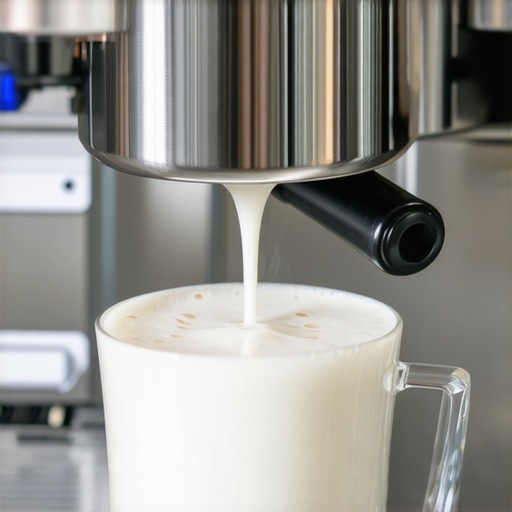
Best Milk Frothers & Steamers for Flawless Microfoam & Latte Art 2024
Ever stood in front of your coffee machine, eager to craft that perfect, velvety microfoam, only to end up with a disappointing, frothy mess? I know the feeling all too well. There was a time I thought I just wasn’t cut out for latte art—until I realized my tool was the real culprit. My early attempts were plagued with uneven foam, too hot milk, or worse, no foam at all. It was frustrating, and honestly, I almost gave up on recreating that café-quality experience at home.
Why Finding the Right Milk Frother or Steamer Matters More Than You Think
Microfoam isn’t just about aesthetics; it’s the secret sauce that transforms ordinary coffee into a decadent treat. The texture, the temperature, the ability to hold that silky microfoam—all of these depend heavily on the quality of your milk frother or steamer. A good device can make the difference between a flat, dull drink and a picture-perfect latte with luscious foam you’d be proud to serve. With so many options available in 2024, choosing the right one can feel overwhelming. But trust me, the right tool is out there, and it’s worth every penny.
Is a Fancy Frother Actually Worth the Hype?
Early on, I made a mistake many beginners do—thinking all milk frothers are created equal. I bought a cheap handheld whisk, hoping it would magically turn my milk into foam. Spoiler: it didn’t. Instead, I spent more time cleaning up the mess than enjoying my coffee. That’s when I realized that investing in a quality milk steamer or frother, like the ones discussed in this guide, truly pays off. It’s about understanding what makes a device capable of delivering that perfect microfoam consistently, and how to avoid common pitfalls.
If you’ve faced this problem—struggling with uneven foam, burnt milk, or just plain unsatisfactory results—you’re not alone. Many coffee lovers have been there. But I promise, with the right equipment and a little know-how, you can master the art of microfoam, elevating your home coffee experience to café levels. Ready to discover what separates a mediocre froth from a stunning latte art masterpiece? Let’s dive into the secrets behind choosing the best milk frothers and steamers for 2024, and how to use them to their full potential.
Master the Art of Frothing Milk Like a Pro
Getting that perfect microfoam starts with the right technique. I remember the first time I tried steaming milk, I ended up with big bubbles and a burnt smell. It was a mess, but I learned quickly by focusing on the basics. First, pour cold, fresh milk into your pitcher—avoid anything too warm or old. Then, position your steam wand just below the milk surface, creating a gentle hissing sound. During steaming, tilt the pitcher slightly to allow the milk to swirl and incorporate air evenly. This process is crucial; uneven air incorporation results in large bubbles, spoiling your microfoam. Keep the wand steady, and as the milk heats, lower the pitcher gradually to keep the wand just below the surface. Once the milk reaches around 140°F, turn off the steam and swirl the pitcher to polish the foam. For detailed tips, check out this guide that dives deeper into refining your technique.
Choose Your Equipment for Consistent Results
The right equipment makes all the difference. A quality milk steamer or frother ensures consistent microfoam without burning or large bubbles. For instance, an automatic steam wand with temperature control can help you maintain ideal milk temperature and texture. I once upgraded from a basic handheld frother to a semi-automatic steamer, and the difference was night and day—my foam became creamier and more uniform. When selecting your device, look for features like adjustable steam pressure and temperature, which help replicate professional results. For a comprehensive comparison, explore this guide to the best frothers and steamers in 2024. Remember, investing in quality equipment saves time and effort in the long run.
Perfect Your Milk Texture Before Moving to Art
Achieving microfoam isn’t just about hot, frothy milk; it’s about silky, smooth microfoam that flows easily into your espresso. To test your microfoam, dip a spoon in the pitcher and observe if the foam holds its shape without large bubbles. If it’s too bubbly or runny, you need to adjust your steaming technique—lower the wand, reduce air intake, or extend steaming time. I often practice by steaming small amounts of milk, focusing on creating fine, velvety bubbles. Once you master the right texture, pouring becomes an art of its own. For advanced tips, see this detailed guide to microfoam mastery.
Pour with Intention to Create Stunning Latte Art
Pouring is where your microfoam transforms into art. Start with a steady hand, pouring from a height to spread the foam across the cup, then lower your pitcher as you pour to create shapes. I like to think of pouring as controlling the flow—slow and deliberate for hearts or rosettas. Practice makes perfect; I spent an entire afternoon trying to create a perfect heart, and my first few attempts looked more like abstract blobs. Use your wrist to wiggle the pitcher slightly as you pour, which helps shape the foam. For pro techniques, check out this guide on advanced pouring techniques.
Keep Practicing and Refining Your Skills
Microfoam and latte art are skills honed over time. Don’t get discouraged by initial failures—they’re part of the learning process. Set aside dedicated time to practice steaming, pouring, and experimenting with different shapes. Take notes on what works and what doesn’t. Over time, your microfoam will become creamier, and your pours more precise. Remember, even professional baristas keep practicing; it’s about enjoying the journey and celebrating small wins. If you want to push your skills further, explore advanced microfoam techniques to elevate your latte art game.
Many coffee enthusiasts believe that creating perfect microfoam is simply a matter of having the right equipment, but this is a common misconception. In reality, there are nuanced details and pitfalls that even seasoned baristas sometimes overlook. Let’s dig deeper into what most people get wrong about microfoam and milk frothing, and how understanding these subtleties can elevate your coffee game.
Why the Quality of Your Milk Matters More Than You Think
It’s widely assumed that any cold, fresh milk will produce decent foam, but the truth is more complex. The fat content and freshness of your milk significantly influence the texture and stability of your microfoam. Whole milk, with its higher fat content, tends to create creamier, more stable microfoam, whereas skim milk produces lighter, more airy foam. However, many beginners overlook the importance of using milk that is not just fresh but also properly stored, as old or improperly refrigerated milk can develop off-flavors and fail to froth well. Understanding the nuances of milk composition can make a noticeable difference in your results. For an in-depth look, explore this guide on milk quality and steaming techniques.
Beware of the Overhyped Equipment
Contrary to popular belief, having the latest, most expensive frother doesn’t automatically guarantee perfect microfoam. Many assume that a high-end device will compensate for improper technique, but even the best equipment requires skillful handling. A common trap is relying solely on automatic settings without understanding how to control steam pressure and milk temperature. Skilled frothing involves tactile feedback—listening to the hissing sound, feeling the pitcher’s temperature, and observing the foam’s consistency. If you ignore these nuances, even top-tier machines can produce subpar results. To master these skills, check out this advanced guide on milk frother techniques.
Advanced Question: How Can You Achieve Consistent Microfoam Without a Barista’s Experience?
Achieving consistent microfoam is often perceived as an art mastered only through years of practice. However, the secret lies in understanding the physics behind steaming. The key is controlling your steam wand’s position, pressure, and your milk’s initial temperature. A study published in the Journal of Coffee Science highlights that maintaining a steady steam pressure and ensuring even heat distribution results in more uniform microfoam. Using tools like a thermometer and a visual guide for wand positioning can help you replicate professional results reliably. Remember, consistency is about controlling variables, not just relying on instinct. For more detailed tips, see this comprehensive microfoam mastery guide.
Have you ever fallen into this trap? Let me know in the comments. Mastering these nuances will not only improve your latte art but also enhance the overall flavor and aroma of your coffee. Keep practicing, stay curious, and enjoy every step of your frothing journey!
Once you’ve invested in the right milk frother or steamer, keeping it in peak condition is essential for consistent, cafe-quality microfoam. Regular maintenance not only extends the lifespan of your equipment but also ensures every cup meets your high standards. In my experience, even the most advanced devices can underperform if neglected, which is why I prioritize a simple but effective routine.
Start with thorough cleaning after each use. For steam wands and frothing pitchers, use a damp cloth to wipe away any milk residue immediately—this prevents build-up that can clog or impair functionality. For automatic frothers, follow the manufacturer’s instructions for descaling and cleaning, often involving a vinegar solution or specialized cleaning tablets. A clean device functions better, produces finer microfoam, and reduces the risk of bacterial growth.
When it comes to tools like pitchers and steam wands, inspect for wear and tear periodically. Check the seals and joints for leaks, and replace any worn parts promptly. I personally replace my steam wand tips every few months to maintain optimal airflow and steam pressure, which directly impacts microfoam quality. Keeping your tools in top shape allows you to avoid unexpected breakdowns and keeps your workflow smooth.
Thinking ahead, I predict that in the future, equipment will become smarter—integrating sensors that monitor temperature, pressure, and cleaning cycles. This will make maintenance even easier, allowing you to set alerts for descaling or part replacements. Already, some high-end steamers come with app integrations for remote diagnostics, and this trend will likely expand as smart home tech becomes more affordable.
How do I maintain my frothing equipment over time?
The key to long-lasting, high-performing frothing tools lies in routine cleaning, proper storage, and timely replacements of consumables like seals or tips. Regularly descale your steam wand or frother using a vinegar solution, and avoid leaving milk residues that can harden or clog components. Keep all parts dry and stored in a clean, dry place to prevent corrosion. I also recommend setting a monthly schedule to inspect your tools thoroughly and replace worn components—this proactive approach avoids costly repairs and ensures your microfoam remains silky and consistent.
By investing a little time into maintenance, you’ll enjoy flawless microfoam and latte art for years to come. Remember, the quality of your tools directly affects your results, so treat them well. For more detailed maintenance tips, visit this guide.
Don’t forget—using high-quality cleaning solutions and following manufacturer recommendations will make your routine more effective. Keep your equipment clean, well-maintained, and ready to perform, and you’ll notice a remarkable difference in every cup. Try setting a maintenance checklist for your next week’s routine and see how it transforms your microfoam quality!
The Hardest Lesson I Learned About Milk Frothing
One of my biggest lightbulb moments was realizing that perfect microfoam isn’t about fancy equipment alone—it’s about technique and understanding the subtle physics of steam and milk. I used to think that a high-end frother would do all the work for me, but I discovered that controlling the wand’s position and my milk’s temperature made a huge difference. This insight saved me from countless failed attempts and turned my coffee into art.
How Simple Tools Can Transform Your Coffee Game
After experimenting with different devices, I found that even a basic pitcher and a good-quality steamer, when used correctly, can produce stunning microfoam. The secret lies in patience and attention to detail—small adjustments in angle, speed, and timing can elevate your latte art from amateur to impressive. Trust me, mastering these small skills has made my home brewing feel like a professional barista’s craft.
Why Regular Maintenance Keeps Your Microfoam Perfect
Honestly, I underestimated how much neglect could ruin my equipment. Regular cleaning and timely replacements of worn parts have been game-changers. A clean wand and fresh seals ensure consistent steam flow and microfoam quality. Plus, taking a few minutes weekly to descale and inspect your tools keeps everything running smoothly, so your coffees always look and taste exceptional.
My Essential Toolkit for Latte Art Success
- A quality milk pitcher—preferably stainless steel for better control and durability.
- A reliable steam wand or frother—look for adjustable pressure and temperature controls.
- Thermometer—to monitor milk temperature precisely, aiming for around 140°F.
- Cleaning supplies—vinegar solutions and specialized descaling tablets for maintenance.
Let Your Passion for Coffee Drive You Forward
Now that I’ve unlocked the secrets of microfoam, I encourage you to experiment and enjoy the process. Remember, every failed attempt is just a step closer to perfecting your craft. With patience and practice, you’ll soon be creating latte art that makes your mornings special. Ready to turn your kitchen into a coffee studio? Dive into the detailed guides on perfect milk steaming and microfoam mastery and start your journey today!