
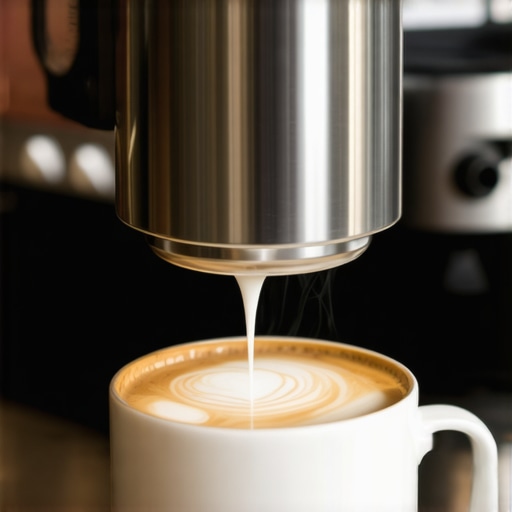
Ultimate Milk Frother & Steamer Tips for Perfect Latte Art in 2024
Ever had that frustrating moment at your kitchen counter, staring at your steaming pitcher, desperately trying to craft a perfect latte art heart or rosette, only to end up with a lumpy, flat foam? I’ve been there. I remember thinking, “Why does everyone else make it look so effortless while I keep struggling?” It was a lightbulb moment when I realized that my milk steaming technique was the missing piece of the puzzle. Since then, my latte art has transformed from a shaky attempt to a cafe-quality masterpiece, and I want to share what I’ve learned so you don’t waste time floundering like I did.
Why Perfect Microfoam Matters More Than You Think
The secret to stunning latte art isn’t just about pouring milk—it’s about creating that velvety, glossy microfoam that hugs your espresso shot perfectly. Without it, even the most beautiful design will fall flat, literally. The right microfoam adds a silky texture that makes your latte not just visually appealing but also a joy to drink. According to barista expert David Schomer, microfoam is essential for latte art because it allows the milk to flow smoothly and hold its shape, making intricate designs possible. If you’re tired of disappointing results, mastering your milk steamer and frother is the game-changer you need to elevate every cup.
Have you ever faced the frustration of pouring beautiful latte art, only to see it collapse or look dull?
If so, you’re not alone. Early on, I made the mistake of steaming milk too hot or not getting the right consistency, which resulted in flat, stringy foam. Trust me, I’ve found that the key isn’t just in the equipment but in technique. That’s why I’ll guide you through proven tips and tricks, based on real-world experience, to help you produce that perfect microfoam every time. Want to dive deeper? Check out Secrets of Perfect Milk Steamer & Crema for more expert insights. Ready to turn your coffee routine into a barista-level experience? Let’s begin with understanding the real impact of steaming mastery and how it can change your latte game forever.
Perfect Your Microfoam First
Start by filling your pitcher with cold milk, ideally fresh whole milk for its creaminess, but you can experiment with alternatives. Submerge the steam wand just below the milk surface, then turn on. Focus on creating a vortex — imagine swirling a spoon in the milk to incorporate air evenly. In my first attempt, I kept the wand too close to the pitcher’s side, which caused uneven microfoam. After adjusting the wand’s position to stay near the surface, I saw a significant improvement, producing silky, glossy microfoam that hugged the back of my hand. That’s the goal: microfoam that feels like warm, thick cream, not stringy or frothy.
Keep the Milk Temperature in Check
Temperature control is critical. Aim for 140°F to 150°F (60°C to 65°C). Use a thermometer if needed; I used to guess and often overheated the milk, killing the microfoam. When I finally started monitoring the heat, I avoided burning the milk or creating large bubbles. This step ensures the microfoam remains smooth and stable, ready for pouring.
Master the Steaming Technique
Position the steam wand at a slight angle, just below the surface of the milk. Turn on the steam and listen for a gentle hissing or a soft ‘roar’. Your goal is to introduce air gradually by keeping the wand near the surface, then submerge it deeper as the milk warms. Think of it like kneading dough — gentle, consistent movements build the microstructure. I found that moving the pitcher in small circles helps distribute heat evenly and creates uniform foam. The first time I did this, I was too aggressive, which made the foam flat and bubbly. Slow, steady movements became my secret to smooth microfoam.
Don’t Overthink the Foam
Less is more. Overfilling the pitcher makes it harder to control the foam. A good rule is to fill only about a third of the pitcher’s capacity. This space allows the milk to expand and the foam to develop properly. Also, avoid creating large bubbles; focus on tiny, consistent bubbles that create the velvet-like texture. Practice by steaming small amounts of milk until you get the feel for it — patience is key.
Pour with Confidence and Precision
Once your microfoam is ready, pour immediately. Hold the cup at a slight angle, pouring from a high point initially to integrate the milk, then lower your pitcher to control the flow. For a heart shape, start pouring in the center, then wiggle the pitcher side to side while moving closer to the surface. My first attempts looked messy, but I learned to relax my hand and pour steadily. Think of it like drawing with your milk — smooth, continuous motion yields better results. For more advanced techniques, check out these expert tips.
Practice Makes Perfect
Consistency comes with practice. Keep your equipment clean and organized, and don’t rush the process. Over time, you’ll develop an intuitive feel for the right temperature, foam texture, and pouring style. Remember, even seasoned baristas had to practice extensively to perfect their craft — so be patient and persistent. If you want to deepen your understanding, explore these detailed guides.
Many coffee enthusiasts jump into steaming milk with enthusiasm, but often fall into misconceptions that hinder their progress. Let’s dig deeper into what most people get wrong about creating perfect microfoam for latte art, and how these pitfalls can be avoided with advanced techniques and a nuanced understanding.
Why the Temperature Alone Won’t Make Your Microfoam Perfect
While temperature control is crucial—aiming for 140°F to 150°F (60°C to 65°C)—many believe that simply hitting the right temperature guarantees microfoam quality. In reality, temperature is just one piece of the puzzle. The microstructure of the foam depends more on the way air is incorporated during steaming and the consistency of the milk. Overheating milk above 160°F (71°C) can break down proteins, leading to thin, stringy foam, regardless of temperature accuracy. Experts like David Schomer emphasize that techniques like vortex creation and proper steaming angles are more influential than temperature alone.
Beware of the Myth That All Frothing Devices Are Equal
Another common myth is that any milk frother or steam wand can produce café-quality microfoam. In reality, device quality and maintenance matter significantly. Cheap or poorly maintained equipment often fails to deliver consistent steam pressure, resulting in uneven microstructures. An advanced mistake many make is relying solely on automatic frothers without understanding their limitations. Manual steaming with a high-quality wand, combined with proper technique, consistently outperforms inferior devices. For insights into selecting the best equipment, explore this guide on top milk frothers.
Mastering the Nuance of Milk Texture and Pouring Technique
Creating microfoam isn’t just about introducing air; it’s about controlling the final texture—velvety, glossy, and stable. Many beginners focus on the amount of foam rather than its quality. Over-frothed milk can look fluffy but collapse quickly, ruining your latte art. The secret lies in achieving a fine, microbubble-rich foam that feels like warm cream. Additionally, advanced baristas understand that pouring technique—such as consistent speed and angle—plays a pivotal role. Even with perfect microfoam, poor pouring can sabotage your design. To elevate your pouring skills, check out these expert pouring tips.
What makes microfoam unstable and how to prevent it
One often overlooked aspect is the stability of microfoam over time. Introducing too much air too quickly or not properly integrating the foam can create large bubbles, which are prone to collapsing or creating dull designs. Also, milk with too high a protein content or poor freshness can produce unstable foam. The key to stability is proper steaming technique—maintaining a vortex and avoiding aggressive movements—and using fresh, high-quality milk. For more advanced insights into microfoam stability, visit this detailed guide.
Have you ever fallen into this trap? Let me know in the comments and share your experiences. Remember, mastery comes from understanding the nuances and practicing diligently. For a comprehensive deep dive into perfecting your microfoam, explore these expert secrets.
Keeping your milk steaming setup in top shape is essential for consistently creating flawless microfoam and latte art. Over time, even the best equipment can suffer from wear and tear, mineral buildup, or misalignment. To ensure your tools continue performing at their best, regular maintenance and selecting the right accessories are crucial.
Invest in Quality Steam Wands and Frothers
Personally, I rely on high-quality, stainless steel steam wands because they offer superior durability and heat retention. A well-maintained wand ensures stable steam pressure, which directly impacts microfoam texture. I recommend models like the best milk frothers and steamers of 2024 because they combine power with ease of cleaning. Cheaper devices tend to clog or lose pressure over time, leading to inconsistent results. Regularly inspecting your wand’s tip and cleaning it thoroughly prevents milk residue from clogging the tiny holes essential for microfoam creation.
How do I maintain my steaming equipment over time?
Consistent maintenance involves a few simple steps: descale your steam wand periodically using a mixture of water and vinegar or a commercial descaling solution—especially if you have hard water. Always wipe down the wand after steaming to remove milk residues, which can cause corrosion or blockages. Additionally, check the rubber seals and gaskets for wear and replace them as needed to prevent steam leaks. For detailed guidance, see Secrets of Perfect Milk Steamer & Crema.
Choose the Right Thermometer and Accessories
Accurate temperature control is vital. I prefer digital thermometers with fast response times and clear displays—these help me monitor milk temp precisely. For convenience, I use wireless models that sync with my smartphone, so I can keep an eye on temperature without constantly checking the device. Also, investing in a good pitcher with a comfortable handle and a spout designed for precise pouring makes a noticeable difference in latte art quality. A well-chosen pitcher helps control the pour, which is just as important as microfoam quality.
What advanced tools will shape the future of milk steaming?
Looking ahead, automation and smart devices are gaining traction. Imagine a milk steamer that automatically detects the milk’s temperature, adjusts steam pressure, and even guides you through the steaming process via an app. This would eliminate many common mistakes and elevate home barista skills. Currently, some high-end machines incorporate these features, but the trend is moving toward even more intelligent, user-friendly equipment that ensures consistent microfoam regardless of skill level.
To future-proof your setup, consider experimenting with smart accessories and staying updated with the latest innovations in coffee tech. For now, focus on mastering your current tools—regular cleaning and proper technique will give you the best results. Remember, good maintenance extends the lifespan of your equipment and keeps your microfoam consistently perfect. Want to learn more? Visit these expert tips for advanced steaming techniques that will take your latte art to the next level.
What I Wish I Knew About Microfoam Before I Started
- Patience is Key: My biggest breakthrough came when I realized rushing the steaming process ruins the microstructure. Slow, steady movements create that velvety texture I was desperately after.
- Temperature Control Isn’t Everything: I used to think hitting 150°F was enough, but I learned that how you incorporate air and the technique matter more than just the heat. Proper vortex creation and angle make all the difference.
- Quality Equipment Matters: Upgrading to a high-quality steam wand transformed my microfoam. Cheap devices can’t deliver consistent pressure, which is why I recommend reliable models like the ones featured in the top milk frothers guide.
- Practice Pouring Like a Painter: The real magic happens during pouring. Relaxing my hand and controlling the flow allowed me to create hearts and rosettes with ease. Watching tutorials helped me refine my technique.
- Microfoam Stability Is an Art: Introducing too much air too quickly or using stale milk made my foam collapse. Fresh, high-protein milk combined with gentle steaming kept my microfoam glossy and stable for longer.
Tools That Changed My Coffee Routine
- High-Quality Steam Wand: My go-to is a durable stainless steel wand that maintains steady steam pressure—crucial for consistent results. Regular cleaning with descaling solutions like this guide keeps it in top shape.
- Accurate Thermometer: I rely on a digital, quick-response thermometer to keep my milk within the optimal 140°F-150°F range. It’s a small investment that pays off in microfoam quality.
- Proper Pitcher: A well-designed pouring pitcher with a comfortable handle and precise spout makes pouring latte art much easier. It helps me control flow and angle effortlessly.
- Smart Accessories: Looking ahead, I’m excited about smart milk steamers that can guide and automate the process, ensuring perfect microfoam every time. For now, mastering manual techniques remains my best approach.
Your Turn to Elevate Your Latte Art Game
Creating microfoam that looks as good as it tastes is an achievable goal with the right mindset, tools, and practice. Remember, every barista started somewhere, and mastery is about continuous learning and patience. Keep experimenting, refining your technique, and investing in quality equipment—your perfect latte art awaits.
What’s your biggest challenge when steaming milk or pouring latte art? Share your experience below, and let’s learn together!