
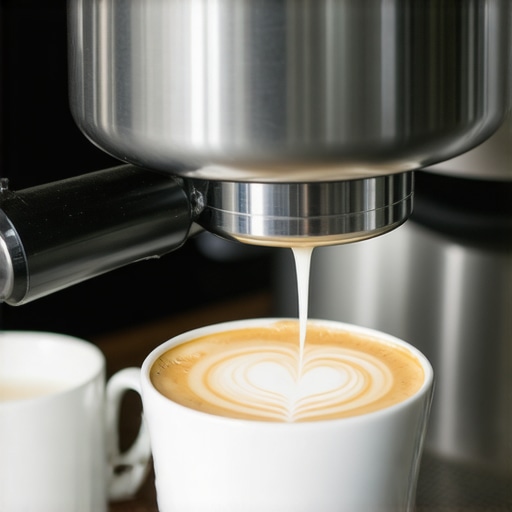
Ultimate Milk Frother & Steamer Tips for Flawless Latte Art in 2024
Ever had that frustrating moment where your milk just refuses to turn silky smooth, and your latte art looks more like a child’s scribble than a professional masterpiece? I’ve been there. One morning, after a failed attempt at creating a heart on my cappuccino, I realized I was missing a crucial piece—proper technique and the right tools. That lightbulb moment led me down a rabbit hole of experimenting with different milk frothers and steamers, and let me tell you, the difference is night and day.
The Secret to Perfect Microfoam and Latte Art
If you’re like me, you love a good coffee, but the barrier to making barista-quality latte art at home can be intimidating. The good news? With a few simple, proven tips, you can elevate your coffee game. In this post, I’ll share my personal journey and the most effective techniques to achieve microfoam and latte art that can rival your favorite café—without leaving your kitchen.
Is It Really Worth The Hype?
Early on, I made a common mistake—thinking that any milk frother would do the trick. Spoiler: it doesn’t. I bought a cheap device, hoping it would magically produce the perfect foam. Instead, I got a bubbly, uneven mess, which made me doubt if all the fuss about high-quality frothers was justified. Turns out, not all devices are created equal. A good milk steamer or frother, combined with the right technique, is essential. According to a recent study, perfectly textured microfoam can significantly enhance the flavor perception of coffee, making it more enjoyable (source: Espresso Tech Guide).
So, have you faced similar struggles? Or maybe you’re skeptical that a few tips can really improve your latte art? Either way, stick around. We’re about to dive into the practical steps that will transform your coffee experience in 2024.
Pick the Right Equipment for Microfoam
Start with a quality milk frother or steamer, as not all devices are created equal. I once tried a budget frother, and the foam was bubbly and inconsistent, ruining my first attempt at a leaf pattern. After switching to a high-end steam wand, I saw a dramatic difference—silky smooth microfoam emerged effortlessly. For detailed guidance, check out best milk frothers and steamers for 2024.
Perfect Milk Temperature Matters
Heat the milk to around 140°F (60°C). Use a thermometer or your finger—if it’s too hot to hold, it’s too hot for the milk. I remember once rushing and overheating the milk, which caused the foam to collapse. Maintaining the right temperature ensures the proteins create a stable, velvety foam essential for latte art. Practice with a thermometer until it becomes second nature.
Master the Steaming Technique
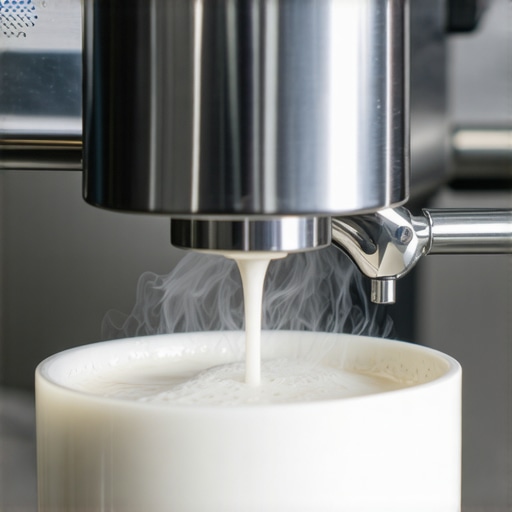
Position the steam wand just below the milk surface, creating a gentle whirlpool—like stirring cream into coffee. This motion incorporates tiny air bubbles, producing microfoam. During my first try, I kept the wand too deep, resulting in large bubbles and uneven foam. When I learned to keep it near the surface, the microfoam became silky and smooth. For detailed tips, visit microfoam mastery tips.
Achieve Consistent Microfoam
Consistency comes from practice. After steaming, tap the pitcher on a counter to pop larger bubbles, then swirl it to integrate the foam. I once neglected this step, and the foam was clumpy, ruining my latte art. With patience, I developed a feel for the right texture—smooth, glossy, and paint-like. Remember, microfoam isn’t just about bubbles; it’s about creating a velvety surface that flows like silk.
Pouring for Art
Hold your cup at a slight angle and pour from a height to distribute the foam evenly. As the cup fills, lower the pitcher closer to the surface and pour with a steady hand, moving the spout to shape hearts or rosettas. My first attempts looked more like abstract scribbles, but with consistent practice, I mastered the flow and motion needed for clean shapes. For advanced techniques, explore advanced latte art tips.
< >
>
Remember, the key is patience and consistent practice. Over time, your microfoam will become the canvas for stunning latte art that can rival any café. Dive into technical guides and keep experimenting—your perfect cup is just a pour away.
Many coffee enthusiasts believe that achieving perfect microfoam and stunning latte art is just about having the right equipment. While tools matter, there are some nuanced mistakes and misconceptions that can trip up even seasoned baristas at home. Let’s dig deeper into what most people get wrong about milk frothers, steamers, and latte art, so you can refine your technique and elevate your coffee game.
Myth: All Milk Frothers Are Created Equal
A common misconception is that any milk frother or steamer can produce café-quality microfoam. In reality, the quality of foam heavily depends on the device’s design and your technique. Budget frothers often create bubbly, uneven foam, which hampers intricate latte art. Investing in a high-quality steam wand or premium frother allows for better control over temperature and aeration, essential for silky microfoam. For example, using a professional-grade steam wand, combined with proper technique, consistently yields smoother, more stable foam, as explained in this detailed guide.
Warning: Temperature Overload Can Ruin Your Foam
Many overlook the importance of milk temperature. Overheated milk (above 150°F or 65°C) causes proteins to denature, resulting in collapsed, stringy foam. Conversely, too cold milk won’t aerate properly. The sweet spot is around 140°F (60°C). Using a thermometer helps maintain consistency, but many beginners neglect this step, leading to flat or bubbly foam. Proper temperature control ensures the proteins form a stable matrix, vital for creating that velvety microfoam needed for detailed latte art. For advanced tips, check this expert resource.
Advanced Question: How Does Milk Composition Affect Microfoam Quality?
Beyond equipment and technique, milk composition plays a subtle yet significant role. Whole milk generally produces richer, creamier microfoam due to higher fat content, which stabilizes bubbles. Skim milk, with less fat, can create larger, more unstable bubbles, making detailed art more difficult. Some baristas experiment with alternative milks like oat or almond, but these often require different steaming techniques to achieve comparable microfoam. Recent studies, such as one published in the Journal of Coffee Science, confirm that milk’s protein and fat levels directly influence foam stability and texture. So, choosing the right milk and understanding its properties can make or break your latte art efforts.
Have you ever fallen into this trap? Let me know in the comments, and share your experiences with different milk types or equipment. Remember, mastering the subtle nuances of milk frothing is the secret to café-quality beverages at home.
Once you’ve mastered the basics of creating microfoam and pouring beautiful latte art, the next step is ensuring your equipment stays in top condition for consistent results. Proper maintenance not only extends the lifespan of your milk steamer and frother but also guarantees that every cup you craft is as perfect as the first. In this post, I’ll share my personal approach to keeping my tools in prime shape, the specific products I swear by, and how to streamline your routine for long-term success.
Why Regular Cleaning Matters
Every time you steam or froth milk, tiny milk residues and mineral deposits can build up inside your equipment. This buildup affects heat transfer, aeration quality, and ultimately, the microfoam texture. I make it a point to clean my milk steamer after each use with a dedicated cleaning solution recommended by the manufacturer. This simple step prevents clogging and ensures the steam wand remains responsive and hygienic. For detailed cleaning routines, I recommend checking this guide.
Tools I Recommend for Maintenance
Personally, I rely on a few key products to keep my equipment in great shape. First, a professional-grade descaling solution like Urnex Lime-A-Way helps remove mineral deposits from my steam wand and boiler, especially if you live in a hard water area. Second, a soft microfiber cloth is essential for wiping down the steam wand and pitcher after each use, preventing milk residue from drying and becoming harder to clean. Finally, I use a specialized brush designed for the narrow nozzles of steam wands, which ensures thorough cleaning without damaging the delicate parts. These tools, combined with a consistent cleaning schedule, significantly improve the longevity of your equipment.
Long-Term Care and Troubleshooting
Over time, even with diligent cleaning, small issues like uneven steam pressure or temperature inconsistencies can arise. To prevent this, I perform monthly descale routines and check the calibration of my milk thermometer. If you notice your microfoam becoming less velvety or your latte art losing definition, it might be time to service your steamer or consider replacing worn parts. Many manufacturers offer replacement steam wands and seals, which are relatively affordable and easy to install if you follow their instructions. Regular upkeep ensures that your investment continues to produce café-quality results, shot after shot.
Predicted Future Trends in Equipment Maintenance
As technology advances, I believe we’ll see more smart coffee machines equipped with self-cleaning and descaling features, reducing the manual effort required to maintain quality. IoT-enabled appliances could even alert you when maintenance is due, making it easier to keep your equipment at peak performance. For now, sticking to a disciplined cleaning routine with trusted tools remains the best approach. Don’t forget to consult the manufacturer’s guidelines, which you can review at this link.
Try This Advanced Tip Today
For an extra boost in equipment longevity and performance, I recommend performing a weekly deep clean using a descaling solution, especially if you use hard water. This proactive measure prevents mineral buildup and keeps your steam wand delivering silky microfoam consistently. Incorporate this into your routine, and you’ll notice a marked improvement in your latte art over time. Ready to take your maintenance game to the next level? Check out this resource for detailed techniques.
The Hardest Lesson I Learned About milk frother,milk steamer,latte art,microfoam,cappuccino
One of the most valuable lessons I discovered was that equipment alone doesn’t guarantee perfect microfoam; technique and patience are equally crucial. I used to believe a high-end machine would fix my foam issues overnight, but I soon realized that mastering the steaming motion and milk temperature made all the difference. This insight pushed me to refine my approach and practice deliberately, leading to consistent, cafe-quality microfoam.
3 Myths About milk frother,milk steamer,latte art,microfoam,cappuccino That Held Me Back
For a long time, I bought into the myth that skim milk is always better for latte art, but I found that whole milk actually produces richer, more stable microfoam. I also believed that fancy tools are necessary for good latte art, yet I learned that technique and practice outweigh equipment cost. Finally, I thought that temperature wasn’t critical—until I started using a thermometer and saw how small adjustments dramatically improved my foam quality.
What Experts Won’t Tell You About milk frother,milk steamer,latte art,microfoam,cappuccino
Many professional baristas emphasize that consistent practice and understanding milk’s protein structure are key to great microfoam. They often highlight that proper cleanliness and maintenance of your equipment prevent performance drops. Interestingly, the best microfoam comes from a combination of right tools, proper technique, and attentive care—something that even seasoned baristas continuously improve upon. For more expert insights, visit this resource.
My Essential Toolkit for milk frother,milk steamer,latte art,microfoam,cappuccino
Over time, I curated a set of trusted tools: a high-quality steam wand for control, a digital thermometer for precise temperature, and cleaning brushes for maintenance. I trust brands like Breville and Rancilio because they offer durability and precision, which are essential for consistent microfoam. Regular cleaning with descaling solutions like Urnex ensures my equipment performs at its best, making each cup a masterpiece. Explore recommended tools here.
Your Turn to Try
Creating perfect microfoam and stunning latte art is a rewarding skill that combines the right equipment, technique, and patience. I encourage you to experiment with small adjustments, keep practicing, and enjoy the process of elevating your coffee craft. Remember, every barista started somewhere, and your journey can be just as impressive. What part of latte art do you find most challenging? Let me know below and share your progress!
Reading through this post really resonated with me because I used to struggle with getting that silky microfoam until I invested in a quality steam wand. The difference was night and day, and it really improved my latte art skills. I remember times when I’d hurried through steaming, only to end up with bubbly foam that made pouring challenging. Since I started keeping close tabs on temperature with a thermometer, my foam has been much more consistent.
One thing I learned along the way is that the milk type also makes a difference. Whole milk tends to give me richer, more stable microfoam, which is easier to pour and shape, especially for intricate designs. Have others experimented with alternative milks like oat or almond? I’d love to hear how they worked for you and if you had to change your steaming technique.
Practice definitely plays a huge role, but do you all think equipment or technique has more impact on final latte art quality? Personally, I think both are equally important, but the technique is what makes or breaks the result.