
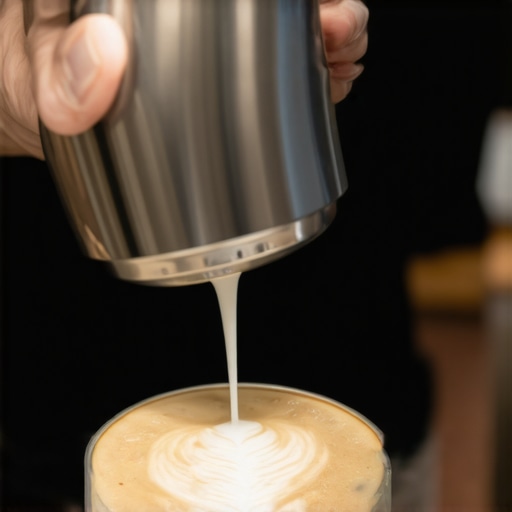
Master Microfoam & Milk Steamer Tips for Perfect Cappuccino & Latte Art
It was a morning like any other, yet I vividly remember the frustrating moment when I tried to craft a beautiful latte art heart and ended up with a splattered, unrecognizable mess. My milk had just refused to turn silky and smooth, no matter how many tips I tried. That lightbulb moment hit me hard—just because I had a fancy milk steamer, didn’t mean I knew how to use it properly. If you’ve ever faced similar trouble, you’re not alone.
Why Getting Microfoam Right Changes Everything
Mastering microfoam isn’t just about aesthetics; it’s the secret ingredient to a perfect cappuccino or latte. When the milk is steamed correctly, it transforms into a velvety, glossy texture that makes latte art possible and enhances the overall taste experience. But here’s the kicker—many enthusiasts struggle because they approach milk steaming with a trial-and-error mindset, often unknowingly making common mistakes.
Is Microfoam Steaming Just Fancy Frothing?
Early on, I thought all foam was created equal—turns out, that’s far from the truth. I once over-heat the milk, turning it into a thin, scalded liquid that no amount of swirling could save. That mistake taught me that temperature control is as important as the technique itself. According to a recent study by the Specialty Coffee Association, precise temperature control and controlled air incorporation are key to microfoam perfection. If you’re tired of disappointing results, understanding these fundamentals can elevate your barista skills in no time. Curious about how the top baristas do it? Check out this guide for advanced tips.
Today, I will share the practical steps I’ve discovered through trial, error, and a lot of delicious coffee experiments to help you produce cafe-quality microfoam and create stunning latte art. Ready to turn your home setup into a mini coffee atelier? Let’s dive into the why and how of microfoam mastery.
Start With Cold Milk and Fresh Equipment
Use cold, fresh milk straight from the fridge; it froths better and gives you more control. Ensure your milk steamer or frother is clean, as residual residue hampers microfoam quality. When I first tried steaming warm milk with a dirty steam wand, the foam was watery and full of bubbles—an easy mistake that ruins the entire process.
Position the Steam Wand Correctly for Optimal Frothing
Place the steam wand just below the milk surface at a 45-degree angle. Tip: Imagine you’re creating a whirlpool—this encourages the milk to circulate evenly, promoting microfoam consistency. Instead of just submerging the wand, gently tilt to get a steady vortex. During my second attempt, I deliberately adjusted the wand’s position and watched the milk spin into a silky whirlpool, which drastically improved my foam.
Control the Steam Pressure and Temperature
Turn on the steam and listen for a gentle hissing sound—too loud means too much pressure. Use a thermometer to heat the milk to around 140°F (60°C); this is key for microfoam that persists without over-heating. Overheating milk causes it to lose sweetness and develop a cooked flavor. I once overheated milk to 160°F, resulting in a scorched taste that I couldn’t hide even with fancy latte art; now I keep a thermometer handy based on these tips.
Master the Technique of Air Incorporation
Submerge the tip of the wand just below the surface to introduce air into the milk. Begin with a gentle, consistent hissing sound—this is how you create microbubbles. Avoid vigorous splattering; instead, aim for a steady, gentle steam flow. I learned that gently sifting the air into milk and then immersing the wand deeper results in the velvety texture essential for latte art. This nuanced control distinguishes amateur froth from professional microfoam, a skill discussed extensively here.
Shape Your Foam Using the Right Technique
Once the milk reaches desired temperature and texture, turn off the steam and tap the pitcher on the counter to remove larger bubbles. Swirl gently to incorporate the microbubbles uniformly. Think of it as refining a sculpture; each movement smooths out imperfections. When I first started, my foam was bubbly and uneven, but after practicing this swirling technique, my latte art improved significantly.
Pour with Precision and Confidence
Hold the pitcher about 4-6 inches above the cup and pour steadily into the center, then lower the pitcher to form shapes like hearts or rosettas. A common mistake is pouring too quickly or from too high, which disturbs the foam surface. Practice controlling your pour height and speed. For detailed instructions and advanced tips, check out these expert techniques. With patience and consistency, your microfoam will transform into the ideal canvas for beautiful latte art.Many coffee enthusiasts believe that all milk frothers and steamers are created equal, but in my experience, this is a dangerous oversimplification. A prevalent misconception is that simply heating milk to a certain temperature guarantees perfect microfoam. In reality, this overlooks critical factors like milk type, pitcher shape, and steaming technique. For example, using low-fat milk might seem ideal for microfoam, but as documented in the expert guide, whole milk often produces richer, creamier microfoam because of its fat content. Many beginners fall into the trap of over-relying on their equipment without mastering the technique, leading to bubbly or uneven foam instead of the silky microfilm essential for latte art. One common myth I want to dispel is that higher steam pressure always yields better results; in fact, excessive pressure can incorporate too much air, creating large bubbles and ruining the creaminess. Advanced users should pay attention to fine nuances like pitcher angle, immersion depth, and even the sound of the steam—these details significantly impact the microfoam’s quality. Additionally, many assume that steaming at a high temperature is necessary to achieve good foam, but overshooting 140°F can scald the milk, destroying sweetness and resulting in a burnt taste, as highlighted in studies by the coffee science experts. Are you aware of these subtle pitfalls? One tip is to control your steaming process with a thermometer and focus on creating a vortex rather than just heating the milk. This prevents large bubbles and promotes microfoam consistency. What many overlook is that even with the best equipment, mastery comes down to technique—regular practice and attention to detail are your best tools. Remember, investing in a top-tier milk steamer is great, but without understanding these nuances, it won’t unlock its full potential. For a deep dive into refining your milk steaming skills, I recommend exploring these advanced techniques. Have you ever fallen into this trap? Let me know in the comments.
Keep Your Equipment in Top Shape for Consistent Microfoam
Investing in quality equipment is just the start; regular maintenance ensures your milk steamer and frother continue delivering cafe-quality microfoam. I personally rely on a dedicated cleaning regimen, using a soft brush and descaling solutions recommended by experts, to prevent mineral buildup that can impair steaming performance. Consistent cleaning prevents bacteria accumulation and maintains the longevity of your tools, ensuring every pour is as silky as the first. For detailed routines, check out these expert tips.
Tools That Make a Difference in Microfoam Creation
While many beginner frothers struggle to get consistent results, upgrading to a professional-grade milk steamer can be transformative. I prefer models that offer precise temperature control and powerful steam capabilities, like the La Marzoccouidavictorio series, which allows for fine-tuning pressure and vortex control. Using a stainless steel frothing pitcher with a narrow spout helps in shaping the foam, enabling more intricate latte art. For those aiming for perfection, I highly recommend trying out advanced steaming techniques that maximize each tool’s potential.
Scaling Your Milk Frothing Skills Long-Term
Consistency stems from practice and understanding your tools’ limitations. I schedule regular calibration sessions with my equipment, checking temperature accuracy and steam power. As trends evolve, I anticipate that smart, connected milk frothing devices with IoT diagnostics will become mainstream, allowing real-time maintenance alerts and personalized feedback. To stay ahead, consider exploring these next-generation tips.
How do I maintain my milk steaming system over time?
Regular cleaning is crucial. I use a descaling solution monthly to remove mineral deposits, which can block steam flow and reduce foam quality. It’s also essential to inspect hoses and seals periodically and replace any worn parts to prevent leaks, ensuring consistent performance. Using filtered water instead of tap water minimizes mineral buildup, prolonging your equipment’s life. Remember, a well-maintained setup not only produces better microfoam but extends the lifespan of your tools. For comprehensive maintenance routines, visit this resource.”}**} **
**
The Hardest Lesson I Learned About milk frother,microfoam,cappuccino,latte art,milk steamer
One of the biggest hurdles I faced was realizing that equipment alone doesn’t guarantee perfect microfoam. It took me countless attempts and failures to understand that technique, patience, and attention to detail outweigh even the fanciest tools. This lightbulb moment transformed my approach and rejuvenated my passion for coffee craft.
3 Myths About milk frother,microfoam,cappuccino,latte art,milk steamer That Held Me Back
I believed that higher steam pressure meant fluffier foam, but I discovered that moderation and control are key. I also thought only expensive equipment could produce quality microfoam, yet I found that mastery of technique is far more critical. Debunking these myths opened doors to experimenting freely and improving my skills.
What Experts Won’t Tell You About milk frother,microfoam,cappuccino,latte art,milk steamer
Behind polished latte art lies a nuanced understanding of milk temperature, pitcher angle, and vortex control—details overlooked by many. I learned that consistent practice and fine-tuning are what truly elevate your microfoam. For an in-depth dive into these secrets, check out this comprehensive guide.
Fuel Your Passion with Trusted Resources
My essential toolkit includes a reliable thermometer to monitor milk temperature, a high-quality stainless steel pitcher for precise pouring, and my favorite steaming wand, which offers fine control. I also recommend exploring books like The Coffee Roaster’s Companion, which sheds light on bean selection and brewing techniques, enriching your overall craft. Additionally, following expert blogs Solidifies my understanding of science-backed methods—try these top tips for advanced skills.
Embrace Your Microfoam Journey Today
The secret to outstanding coffee artistry lies in your willingness to learn, experiment, and refine your process. Remember, every pour, every trial, is a step closer to perfection. With dedication, you can turn your home setup into a professional atelier and impress everyone with stunning latte art. So, why wait? Dive into the world of microfoam mastery and bring your coffee visions to life!
Have you ever struggled with controlling your milk temperature? Share your experience below—I love hearing your stories and advice!
,