
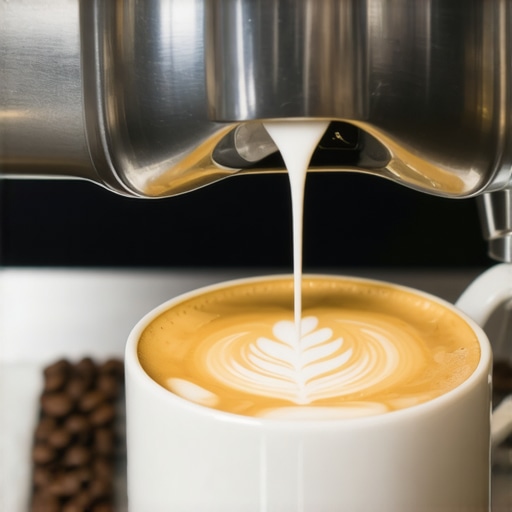
Ultimate Guide to Milk Frother & Steamer Tips for Flawless Latte Art
I remember the first time I tried to create latte art. The milk was all over the counter, and my attempt at a perfect fern looked more like a random scribble. It was frustrating, and honestly, I almost gave up on trying to get that silky microfoam everyone raves about. That lightbulb moment hit me when I realized I was approaching my frothing technique all wrong. Instead of focusing on patience and proper steaming, I was rushing, expecting instant perfection.
The Real Challenge with Milk Frothing and Steaming
Many coffee lovers dive into crafting latte art only to face disappointment because their milk doesn’t have that smooth, velvety microfoam essential for beautiful designs. It’s not just about pouring milk into the espresso — the quality of your milk foam makes all the difference. Over the years, I’ve learned that understanding the nuances of steaming and frothing transforms your coffee experience from mediocre to cafe-quality.
Did you know that improper milk steaming can ruin your latte even before you start pouring? According to coffee expert Scott Rao, the texture of the microfoam is critical because it allows you to manipulate milk into intricate patterns easily. But how do you get there? That’s where my journey, and hopefully yours, begins.
And if you’re wondering whether investing in the right equipment is worth it, I can tell you from personal experience—beginners often underestimate how much a good milk steamer can elevate their latte art game. Curious? Check out [this comprehensive guide](https://milkfrothers.espressotechguide.com/ultimate-milk-frother-steamer-guide-for-flawless-latte-art-in-2024) to see what top-tier tools are all about.
So, what now? Have you ever faced that moment of frustration, staring at a less-than-perfect microfoam, questioning if you’ll ever master latte art? Believe me, you’re not alone. The good news is, with proper techniques and a little patience, you can turn every coffee into a work of art. Let’s dive into the secrets that will help you achieve that silky microfoam and flawless latte art in your own kitchen.
Prepare the Milk and Equipment
Start with cold, fresh milk—whole milk often yields the best microfoam, but experiment to find your preference. Use a quality milk frother or steam wand; higher-end steamers provide more control, making it easier to craft smooth microfoam. Before steaming, purge the steam wand to eliminate any water residues, ensuring a clean, consistent steam flow.
Achieve the Correct Microfoam Texture
Position the steam wand just below the milk surface and turn on the steam. As the milk begins to heat, introduce a gentle venting motion—think of it as a gentle whirlpool—while maintaining the wand’s tip at the liquid’s surface. Your goal is to create a velvety, paint-like microfoam, not big bubbles or frothy foam. A successful microfoam feels like warm, smooth paste, with tiny, uniform bubbles. I remember during one session, I adjusted the wand’s position multiple times, gradually finding that sweet spot where the milk spun into a silky texture, transforming my initial splotchy attempts.
Heat to the Right Temperature without Overcooking
Monitor the temperature with a thermometer or by touch—aim for about 140°F (60°C). Overheating ruins the microfoam’s delicate texture. As I learned from trial and error, pulling the pitcher out once the temperature hits the mark prevents scalding and keeps the microfoam optimal for pouring.
Pouring Techniques that Elevate Your Art
Start pouring from a higher position, letting the milk flow into the center of the espresso to create a white canvas. As the cup fills, lower the pitcher closer to the surface and tilt slightly. Use a controlled, steady hand to guide the microfoam into patterns like a rosette or heart. Mimic the motion of a gentle wiggle—this helps create contrast and clean lines in your latte art. I vividly recall a morning when I practiced pouring slow, which unexpectedly resulted in my first recognizable heart shape after weeks of messy attempts.
Refining Your Skills Through Practice
Every pour is a learning opportunity. Keep a journal of your adjustments—temperature, pour height, speed—and note what yields better microfoam. Consistent practice with attention to detail is key. For more advanced tips, explore master microfoam techniques. Remember, patience and repetition will turn your initial messes into artful masterpieces.
Many coffee enthusiasts believe that achieving perfect microfoam is simply about steaming milk until it looks creamy and pouring it into their espresso. However, this oversimplification ignores critical nuances that can make or break your latte art. A prevalent myth is that high steaming temperatures always produce better microfoam, but in reality, exceeding 140°F (60°C) can destroy protein structures essential for stable microfoam, as noted by coffee science expert Scott Rao. This can lead to larger bubbles and a grainy texture, making microfoam less workable for intricate designs. Additionally, many assume that all milk frothers are equally capable, but dedicated tools with adjustable steam control offer the finesse needed for microfoam consistency. Rushing the steaming process is another common mistake; microfoam develops through patience, involving controlled pressure and immersion depth of the wand, something beginner baristas often overlook.
Have you ever fallen into this trap? Let me know in the comments.
How does milk composition influence microfoam quality, and can additives improve results?
Understanding the science reveals that milk’s protein content and freshness significantly impact microfoam stability. Lower-fat milks tend to produce larger bubbles, making it harder to form those tiny, uniform microbubbles essential for beautiful latte art. Adding a pinch of salt can improve surface tension, aiding bubble formation, though this practice is not widespread. While some baristas experiment with milk powder or soy alternatives to enhance foam, these can introduce undesirable textures if not precisely controlled. For the best results, selecting fresh, whole milk and maintaining optimal steaming temperatures are paramount. Consulting guides like this resource can deepen your understanding of milk properties and steaming finesse.
It’s fascinating how subtle adjustments—like the angle of the steam wand or the milk’s temperature—can drastically alter microfoam outcomes. Mastering these nuances comes down to attention to detail and consistent technique, which elevates your craftsmanship beyond beginner-level attempts. For advanced tips, exploring these microfoam hacks can differentiate an amateur from a professional.
Remember, every steaming session is an opportunity to learn and refine your touch. Don’t be discouraged by initial failures—instead, see them as stepping stones toward mastery.
Investing in Reliable Equipment
Choosing quality tools is the first step toward mastering latte art. I personally recommend the [top milk frothers and steamers](https://milkfrothers.espressotechguide.com/best-milk-frothers-steamers-2024-2) because they offer precise temperature control and durable construction, ensuring consistent microfoam production. A robust milk steamer, like the Breville BES870XL, not only lasts longer but also provides the fine control needed for perfect microfoam. High-quality tools reduce user errors and help maintain your craft over time.
Consistent Cleaning Practices
Regular maintenance is essential for keeping your equipment in prime condition. After each use, I rinse the steam wand and milk pitcher thoroughly to prevent milk residues from clogging the system or affecting foam quality. This is especially important for steam wands, as milk buildup can impair performance and lead to inconsistent results. Make it a habit to descale your steamer monthly, following the manufacturer’s instructions, to prevent mineral buildup that hampers temperature stability and steam pressure. For detailed cleaning routines, visit this contact page for support and advice.
Long-Term Results Through Calibration
Over time, even the best tools need calibration to maintain performance. I suggest periodically verifying your steam wand’s temperature and pressure against a digital thermometer to ensure it stays within optimal ranges—around 140°F (60°C) and consistent steam pressure. This calibration ensures you don’t settle for microfoam that’s either too dense or too airy. Remember, consistent microfoam leads to better latte art, and skilled baristas often measure and adjust their equipment regularly. According to the experts at this resource, regular calibration is a game-changer.
Scaling Your Setup Responsibly
If you plan to expand your coffee setup, consider how additional tools will integrate into your workflow. Modular systems, where you can upgrade individual components, save money and hassle. For instance, investing in a professional-grade steam wand attachment that fits your existing espresso machine can improve microfoam quality significantly. As the trend leans toward automation and precision, equipment with smart temperature controls and PID settings—like some high-end steamers—promise consistent results. In the near future, I believe these innovations will become standard, making latte art more accessible to enthusiasts at home.
How do I maintain my milk frothing tools over time?
Proper maintenance involves thorough cleaning after every use, regular descaling, and periodic calibration of temperature and pressure settings. This ensures consistent microfoam quality and prolongs the lifespan of your equipment. Embracing these practices will help you achieve cafe-quality latte art consistently and enjoy your coffee crafting journey longer. Remember, a well-maintained tool is a happy, reliable partner in your barista adventures. For even more advanced tips, check out this guide and challenge yourself to incorporate one new maintenance habit today.
What I Wish I Knew When I Started Perfecting Microfoam
One of the toughest lessons I learned was that patience trumps speed in milk steaming. Rushing the process led me to larger bubbles and uneven textures that sabotaged my latte art attempts. The lightbulb moment was realizing that microfoam requires gentle immersion and controlled pressure—skills that develop over time. It’s not about swirling wildly but rather embracing a slow, deliberate approach to achieve that silky consistency.
My Top Picks for Elevating Your Microfoam Artistry
For me, investing in a precise, adjustable steam wand like the one highlighted in this guide transformed my latte game. Also, books such as this resource provided visual breakdowns and expert tips that I couldn’t find elsewhere. These tools and guides became my trusted companions on the journey.
Feeling Inspired to Create Coffee Art Again
Don’t let the initial failures discourage you. Mastering microfoam with milk steamer and frother is a craft that rewards perseverance. Every cup you make is an opportunity to refine your technique and develop your personal style. I believe that with dedication, you’ll soon be pouring latte art that not only tastes great but also makes your mornings brighter. Your coffee craft is a canvas—so grab your tools and start creating your masterpiece today!