
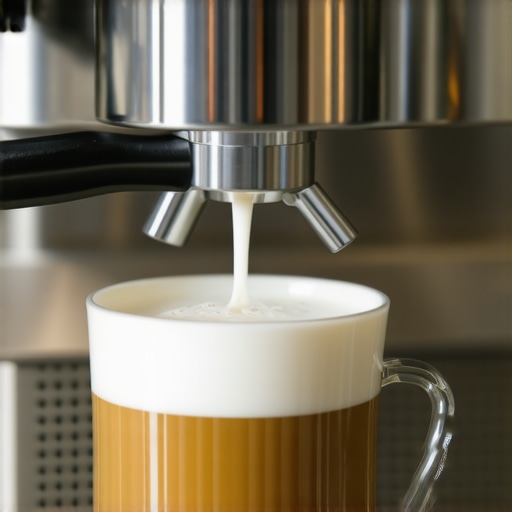
Master Microfoam & Milk Steamer Tips for Perfect Lattes in 2024
Ever had that frustrating moment where your latte looks more like a frothy mess than the smooth, velvety creation you envisioned? I sure have. There was a time when I thought I was doing everything right—using my trusty milk steamer, aiming for that glossy microfoam, and even trying to replicate barista art. Yet, my lattes constantly fell short: inconsistencies, bubbles, and a lackluster texture that just didn’t satisfy. It was a lightbulb moment when I realized that mastering microfoam isn’t just about pouring milk into coffee; it’s a nuanced process that requires technique, patience, and understanding. And honestly, I was making some rookie mistakes early on, like overheating the milk or not adjusting the steam wand properly. If you’re tired of disappointing latte attempts or feeling overwhelmed by all the advice out there, don’t worry—help is at hand.
The Secret to Smooth, Fluffy Microfoam
The good news is that with a few proven tips and tricks, you can elevate your milk steaming skills to professional levels. The trick is achieving that perfect microfoam—fine, velvety bubbles that blend seamlessly into your espresso. It might seem daunting at first, but once you get the hang of the right technique and tools, you’ll be surprised how quickly your lattes improve. Today, I’ll guide you through the essential steps for mastering microfoam and effectively using your milk steamer. Whether you’re just starting out or looking to refine your craft, these insights will help you produce cafe-quality drinks at home. Ready to stop guessing and start creating? Let’s dive into the secrets of perfect microfoam that will make every latte a masterpiece.
Prep Your Ingredients and Equipment
Start with cold, fresh milk—full-fat milk produces richer microfoam, but skim milk steams faster and creates a lighter foam. Use a high-quality milk steamer or steam wand attached to your espresso machine. Before steaming, purge your steam wand for a second to remove any residual water, ensuring dry, consistent steam. Place your pitcher at a slight angle, allowing the milk to swirl gently during steaming. Remember, clean equipment prevents bacterial buildup and ensures pure tastes—consult our contact page for maintenance tips.
Positioning the Steam Wand
Submerge the tip of the steam wand just below the milk surface, at an angle to promote a vortex. Turn on the steam to a firm but gentle hiss. Visualize this like a scoop of ice cream slowly melting in warm milk—gentle agitation helps create micro-sized bubbles.
Creating the Microfoam
Begin with the wand positioned near the surface to introduce air—listen for a slight squealing sound. As the milk expands, lower the pitcher slightly to keep the wand’s tip submerged, continuing to swirl. A steady, circular motion distributes heat evenly and prevents large bubbles. Once the milk reaches 150°F (65°C), turn off the steam; the milk should be shiny and smooth.
Achieving the Perfect Texture
After steaming, tap the pitcher gently on a flat surface to break any larger bubbles. Swirl the milk to integrate the foam and liquid, resulting in a silky, velvety consistency. When I first tried this step, my initial foam had small bubbles—so I practiced until I could produce a dense, glossy microfoam, reminiscent of the creamy texture in the late morning coffee guides.
Pour with Intention for Beautiful Art
Begin pouring from a height of about 3 inches, aiming for steady flow to establish a base. As the cup fills, lower the pitcher closer to the surface to control the pour and create patterns like hearts, rosettas, or tulips. Think of your pour as a brush stroke—precision and control are key for stunning designs. For advanced techniques, reference this comprehensive guide.
While many beginners focus on the basics—such as choosing the right milk or controlling steam pressure—there’s a layer of nuance that often goes unnoticed. One common misconception is that hotter milk always produces better microfoam. In reality, over-heating can destroy the delicate proteins responsible for creating velvety foam, leading to a burned taste and less stable microbubbles. Scientific research supports that optimal microfoam develops around 140°F to 150°F, beyond which milk’s proteins denature, compromising texture and flavor. Another myth is that using a higher-fat milk automatically yields superior latte art. While full-fat milk offers richer taste, it can be trickier to foam consistently for intricate designs, especially for beginners. Skim milk, for instance, can produce firmer microfoam due to its higher protein-to-fat ratio, making it ideal for developing technical skills.
A common advanced mistake is neglecting the importance of a clean steam wand. Residual milk deposits can clog the tip, disrupting airflow and resulting in uneven microfoam with large bubbles. Regular maintenance—using a damp cloth after each use—is crucial. Moreover, many enthusiasts overlook the significance of proper pitcher positioning. Slightly angling the pitcher and maintaining a vortex during steaming creates uniform microbubbles and prevents large bubbles from forming. This technique is subtle but essential; novices often keep the wand too deep or too shallow, compromising microfoam quality.
For the sophisticated barista, mastering latte art involves more than just pouring milk. It requires understanding how microfoam interacts with espresso’s crema, which affects stability and visual outcome. The ideal microfoam should be glossy and persistent, able to hold shapes against gravity. Achieving this involves controlling pour velocity and height—something that often trips up even experienced home baristas. Want to dive deeper? Check out our extensive guide on latte art techniques.
Infusing your practice with this knowledge helps you avoid common pitfalls and elevates your coffee craftsmanship. Remember, patience and precision are your best allies in mastering microfoam and latte art. So, next time you’re steaming, ask yourself: Am I following these advanced tips or falling into familiar traps? Have you ever fallen into this trap? Let me know in the comments.Maintaining your equipment is essential for consistent microfoam quality and flawless latte art. Investing in the right tools can significantly extend the lifespan of your milk steamer and ensure optimal performance over time. I personally recommend using a sterilizing cleaning solution designed for milk frothers, which effectively removes milk residue that can clog nozzles and compromise steam quality. Regularly descaling your espresso machine and steam wand is also vital; descaling solutions like citric acid-based cleaners help prevent mineral buildup that affects temperature regulation and steam pressure. Additionally, having a quality thermometer is invaluable; I prefer digital infrared thermometers for quick, accurate readings during steaming, ensuring your milk stays within the optimal 140°F to 150°F range. This precise control avoids denaturation of milk proteins, preserving microfoam stability.
For ongoing maintenance, I follow a strict cleaning routine after each use: wiping the steam wand with a damp cloth, purging residual milk, and backflushing the system if your machine allows. This routine prevents bacterial growth and maintains consistent steam flow, which is critical for microfoam quality. To keep your steaming tools in top shape, consider using a small, dedicated brush to clear out nozzles and vents—this helps prevent clogs, promoting uniform airflow.
Looking ahead, I believe the trend towards smarter, app-controlled milk frothers will grow. These innovative devices can monitor temperature and pressure, providing real-time feedback and maintenance alerts—making it easier for home baristas to preserve their equipment with minimal effort. As technology advances, I predict more manufacturers will integrate diagnostic features that warn users about build-up or malfunctions before they impact performance.
How do I maintain my milk steaming setup to ensure perfect results over time?
Regular cleaning is non-negotiable—use specialized solutions to descale and sterilize all components. Incorporating precise temperature control tools, like digital thermometers, allows you to keep milk within ideal microfoam-creating ranges. Ensuring nozzles and vents are clear of milk residue prevents microfoam inconsistency. Following manufacturer guidelines for maintenance prolongs equipment life and keeps your milk frother performing at its best.
To truly elevate your microfoam game, try incorporating a high-quality, calibrated thermometer into your routine. Precise temperature management is fundamental, and many experienced baristas swear by this simple yet effective practice. For detailed techniques, explore our guide on achieving perfect microfoam. Proper maintenance not only enhances your current setup but also sets a foundation for scaling your coffee craft in the future. Remember, a well-maintained machine ensures consistent results and timelier brewing sessions, turning your home barista skills into routine mastery.
The Unexpected Twists That Shaped My Microfoam Mastery
One of the most valuable lessons I learned was that achieving perfect microfoam isn’t just about technique; it’s about understanding the delicate balance of temperature, milk quality, and equipment maintenance. Early on, I believed that hotter milk meant better foam, but I found that over-thermalizing destroyed those silky microbubbles, leading me to discover the sweet spot around 140°F to 150°F. Additionally, I underestimated the importance of consistent equipment cleaning—neglecting this step led to uneven steam flow and disappointing results, a mistake I won’t repeat. This revelation underscored that even perfect technique requires a well-maintained setup for consistent excellence.
Tools and Resources That Truly Elevated My Coffee Game
If you’re serious about mastering microfoam and latte art, I highly recommend exploring the comprehensive guide on milk steamer tips. For equipment maintenance, check out specialized cleaning solutions like descaling products that keep your steam wand performing flawlessly. When it comes to understanding milk behavior, the book “The Art of Coffee Microfoam” has been a game-changer for me, providing insight into the science behind perfect foam. For quick references and troubleshooting, then head over to our contact page, where experts are always ready to assist.
Your Turn to Elevate Your Coffee Skills
This journey shows that microfoam mastery is both science and art—a continuous process of learning and refining. Embrace the challenges, celebrate the small wins, and remember that every perfect latte is a step closer to barista-level greatness. So, why not start today? Your next great coffee creation awaits, and with patience and practice, there’s no limit to what you can achieve. Are you ready to turn your microfoam experiments into caffeine masterpieces? Share your experiences or ask questions below, and let’s grow together in this delicious craft.
I completely relate to the importance of technique and maintenance in creating perfect microfoam. Initially, I struggled with larger bubbles and uneven textures until I adopted a routine of cleaning my steam wand thoroughly after each use and paying closer attention to milk temperature. My breakthrough came when I started using a calibrated thermometer, aiming for that sweet spot between 140°F and 150°F. It’s interesting how much small details can impact the final result. I’ve also found that fresh, cold milk and the right pitcher angle make a noticeable difference. Have others experimented with different pitchers or milk types to refine their microfoam? I’d love to hear what’s worked best for different setups, especially for home baristas balancing space and equipment constraints.