
![Is Your Steamer Too Hot? 5 Fixes for Silky Cappuccino Foam [2026]](https://milkfrothers.espressotechguide.com/wp-content/uploads/2026/01/Is-Your-Steamer-Too-Hot-5-Fixes-for-Silky-Cappuccino-Foam-2026.jpeg)
Is Your Steamer Too Hot? 5 Fixes for Silky Cappuccino Foam [2026]
Ever had that sinking feeling when you pull the milk away from your steamer, only to be greeted by a curdled, stringy mess instead of the silky microfoam you envisioned? I’ve been there, frustration bubbling up as I watched my carefully steamed milk turn into something barely usable. That lightbulb moment hit me hard: maybe, just maybe, my steamer was cranking up the heat too high. And let me tell you, it was a game-changer once I figured out how to fix it.
Why Oversteaming Can Ruin Your Perfect Foam
When steam levels are too aggressive, the milk’s delicate proteins get scorched or lose their smooth, velvety texture. This results in foam that’s uneven, bubbly, and, frankly, unappetizing—ruining not only your latte but also your confidence behind the espresso machine. Surprisingly, many home baristas unknowingly push their steamers too far, thinking more heat means better froth. However, excessive heat destroys the microstructure of the milk, compromising both texture and flavor. According to coffee expert James Hoffmann, maintaining the right temperature is crucial for creating that luscious microfoam we all crave. It’s a mistake I made early on—overheating the milk and ending up with a scalded taste instead of that sweet, nutty aroma that perfect microfoam should carry.
So, how do we prevent this from happening? Today, I’ll share five practical fixes that will help you tame your steamer and produce silky, glossy foam every time. Whether you’re brewing a simple cappuccino or aiming for latte art that would impress your local barista, these tips are your new best friends. Ready to elevate your coffee game? Let’s dive into how you can get your steamer under control and consistently make barista-quality microfoam.
Choose the Right Milk Temperature
Start by heating your milk to around 140°F (60°C). Use a reliable thermometer to prevent overheating, which can break down proteins and cause your microfoam to collapse. When I first tried this, I kept guessing with my hand and over-foamed, leading to flat microfoam. Using a thermometer instantly eliminated that guesswork and improved my foam’s stability.
Position Your Milk Wand Correctly
Immerse the steam wand just below the milk surface at a slight angle. Imagine you’re aiming a gentle spray to introduce air uniformly. During my initial attempts, I often kept the wand too deep, resulting in large bubbles. Proper positioning creates a whirlpool effect, which ensures even mixing of air and heat, producing glossy, velvety microfoam.
Control the Steaming Pressure
Apply gentle, consistent pressure to avoid scalding the milk. Think of it like softly squeezing a balloon—too much pressure causes aggressive bubbles or scorching. I learned this by gradually reducing pressure until I found the sweet spot; the microfoam became smoother and more stable. For detailed guidance, check out https://milkfrothers.espressotechguide.com/stop-scalding-your-milk-4-steamer-pressure-fixes-for-2026.
Incorporate the Air in Batches
Introduce small bursts of air by opening the steam valve lightly until you hear a gentle hissing sound—like softly blowing on a hot soup. Then, submerge the wand deeper to heat the milk evenly. During a morning practice session, I over-enthusiastically whistled out all the air at once, resulting in large bubbles. Timing and gentle air introduction are key to achieving microstructure that’s perfect for latte art.
Practice the Texturing Motion
Move the pitcher in a circular motion while steaming to blend air and heat smoothly. Picture swirling cream into coffee—steady, consistent, and controlled. I spent my first few sessions feeling clumsy, but over time, that gentle motion gave me a shiny, thick microfoam ready for latte art. For honing your technique, [master the art here](https://milkfrothers.espressotechguide.com/master-microfoam-with-top-milk-frothers-steamers-for-perfect-lattes).
Finish and Tap the Pitcher
Once the desired temperature and texture are achieved, remove the wand and tap the pitcher on the counter to burst any remaining large bubbles. Swirl the milk gently to integrate the foam. During my early experiments, I ignored this step, ending up with an uneven top. Proper tapping and swirling create a feeling of control, resulting in a smooth, glossy microfoam ready for pouring.
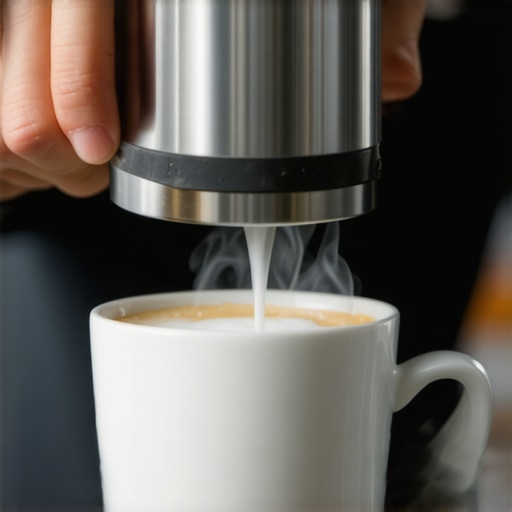
While many coffee enthusiasts believe mastering the basic milk steaming techniques suffices, there are subtle nuances that can make or break your microfoam quality. A prevalent misconception is that higher steam pressure automatically equates to better froth. In reality, excessive pressure can lead to large, unstable bubbles and inadvertently scorch the milk, destroying the delicate proteins essential for microfoam. Experts emphasize that controlling steam pressure is more nuanced than simply turning up the knob; it requires a gentle, steady hand to produce the silky texture ideal for latte art. According to a study published in the Journal of Coffee Science, precise regulation of steam pressure correlates directly with microfoam stability and visual consistency, underscoring that more force isn’t better. Avoid the trap of thinking that speed is your friend—rushing the process often results in uneven textures and large, unruly bubbles that compromise the aesthetic and flavor of your drink.
Why do some advanced baristas swear by slow, deliberate steaming, and is it truly necessary?
Many experts advocate for a slow, deliberate steaming process, asserting that it leads to superior microfoam. The rationale is that gentle steaming allows for better heat distribution and air incorporation, resulting in a dense, velvety texture. Speeding up the process can introduce heat unevenly, creating temperature gradients that cause microfoam to collapse or develop large bubbles. In fact, a comprehensive guide from Milk Frothers highlights that patience during steaming is the key to consistent results. Don’t fall into the trap of rushing to finish; instead, embrace a slow, mindful approach to develop the skill of controlling your milk’s microstructure. Have you ever fallen into this trap? Let me know in the comments.
Another critical yet often overlooked aspect is the importance of the milk’s initial temperature. Starting with milk that’s too cold may require longer steaming times, increasing the chance of overheating and mechanical errors. Conversely, milk that’s too warm from the start can scorch quickly, especially if not carefully monitored. Advanced practitioners often pre-warm their pitchers or milk to room temperature to reduce steaming time and maintain control. This subtle step fosters the creation of microfoam with finer bubbles and a richer mouthfeel. If you’re eager to refine this technique, visit Creamy Microfoam Magic for expert tips on achieving consistent, café-quality foam. Remember, precision and patience are your best allies in perfecting microfoam that elevates your latte art game.
To consistently craft stunning latte art and achieve that velvety microfoam, the right tools and proper maintenance are indispensable. Investing in quality equipment not only elevates your coffee experience but also reduces frustration caused by faulty steamers or frothers. I personally recommend selecting a high-precision milk steamer, such as the best milk steamers for microfoam in 2024, which offers controllable steam pressure and consistent heating. These features are critical since unreliable equipment leads to inconsistent results, especially over time. Regular calibration of your milk thermometer ensures you maintain optimal milk temperature, preventing over- or under-steaming, which can ruin microstructure. Moreover, a dedicated pitcher with a spout designed for latte art helps achieve smoother pour control and better foam integration. For detailed guidance on choosing the right equipment, visit Ultimate Milk Frother Steamer Guide. As the trend toward automation advances, integrating smart steaming devices with app controls may become standard, allowing even more precise adjustments and monitoring. This future shift promises to make microfoam mastery accessible to everyone. To keep your equipment functioning optimally, routine cleaning after each use with warm water and gentle descaling agents is recommended—neglecting this can lead to build-up that impairs steam quality. Periodically inspecting hoses, seals, and heating elements for wear or damage ensures your steamer remains in top shape. According to the Secrets of Perfect Milk Steamer Crema, proactive maintenance extends the lifespan of your equipment and guarantees consistent microfoam. Making minor investments in quality tools and dedicating time to routine upkeep will transform your brewing results. Remember, even the best equipment can falter without proper care; so, keep your gear clean, calibrated, and well-maintained. Ready to take your microfoam to the next level? Try fine-tuning your steaming process with a digital thermometer for even more precise temperature control—you’ll be amazed at the difference! Want expert tips on maintaining your tools? Visit our Contact Us page for personalized advice.
What I Didn’t Expect About Milk Microfoam and Steaming
Initially, I believed that simply turning up the steam pressure would deliver that perfect microfoam. Turns out, patience and delicate control are what truly matter. I discovered that rushing the process ruins the texture, and slow, deliberate steaming leads to better results—something only experienced baristas seem to master naturally. Also, I realized that starting with room-temperature milk dramatically reduces steaming time and helps maintain temperature stability, a game-changer I wish I had learned earlier.
How Small Adjustments Can Make a Huge Difference
Even minor tweaks—like adjusting the angle of the steam wand or gradually increasing pressure—translate into silky, glossy microfoam. I found that investing in a good thermometer and maintaining consistent technique allowed me to replicate café-quality microfoam at home. Remember, it’s about fine-tuning each step, not overhauling your entire process overnight. Mastering these nuances helped me craft latte art that looks as stunning as it tastes.
The Long Road to Consistency
One of the toughest lessons I learned is that microfoam perfection isn’t a one-time event but a continuous practice. Keeping my equipment clean and calibrated became as essential as following the right technique. Regularly reviewing expert guides, like this resource, helped me understand what I was doing right and where I needed improvement. Over time, consistency became my new standard, turning a daily routine into a satisfying ritual.
Curated Recommendations for Shaping Your Microfoam Journey
For those serious about elevating their milk steaming skills, I recommend exploring top-tier steamers like the best milk steamers of 2024, which offer precise control and reliable heating. Additionally, books such as *The Coffee Art Guide* helped me understand the science behind microstructure, reinforcing the importance of technique over tools. Lastly, engaging with online communities through trusted forums and workshops provides invaluable real-world feedback and encouragement—nothing beats learning with passionate peers.
Your Next Step in Coffee Mastery
Understanding the subtleties of microfoam creation can transform your daily coffee ritual into a creative art form. Don’t be afraid to experiment, refine, and embrace the process—this journey is as rewarding as it is delicious. Remember, every perfect microfoam started with a single steaming session. Now, take your newfound knowledge and craft those stunning lattes that bring joy to you and others. What’s the biggest challenge you’ve faced in getting that impeccable microfoam? Share your story below!