
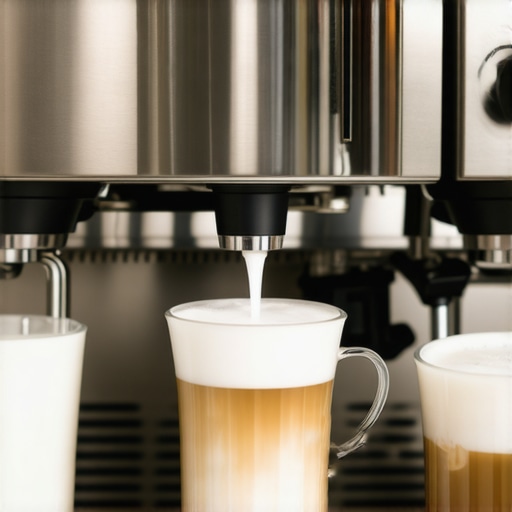
Why Your Oat Milk Won’t Foam: 3 Steamer Fixes That Work in 2026
I remember the first time I tried to make a perfect foamed latte with oat milk, only to realize my microfoam was more like a deflated balloon than the velvety cloud I envisioned. Frustration took over as I watched my beautifully steamed milk turn flat seconds before I could even attempt latte art. Have you ever experienced that sinking feeling when your milk just won’t cooperate? Just when I thought I had the perfect steam wand technique down, my oat milk stubbornly refused to froth, leaving me questioning if I was doing something wrong. Turns out, there are common issues many baristas and home enthusiasts face with oat milk and steaming in 2026, but the good news is—there are fixes that really work.
The Promise of Fluffy Microfoam—Finally!
Today, I want to share with you the three steamer fixes that transformed my coffee routine. These aren’t just tips; they’re tried-and-true methods that will help you achieve that luscious microfoam and impeccable latte art you’ve been chasing. Whether you’re a seasoned home barista or just dipping your toes into the world of professional coffee-making, understanding these fixes can save your oat milk from turning into a flat disappointment. Ready to troubleshoot your steaming setup and make those perfect, silky microfoam a regular part of your mornings?
Is Your Oat Milk Really Worth the Hype?
One mistake I made early on was assuming all oat milk is created equal. I kept using brands that looked promising but lacked the necessary protein content to support good foam. This led to uninspiring results that just dashed my hopes for latte art. On top of that, I didn’t realize the importance of proper steaming technique and equipment settings. Did you know that tiny adjustments in steam pressure or temperature can make a huge difference? According to a recent study by coffee science experts, milk with higher protein content generally yields better foam, especially when steaming with alternatives like oat milk. For more tips on steaming the perfect microfoam, I recommend checking out this comprehensive guide. But before you blame your milk or steamer, let’s explore common pitfalls and how to fix them for good.
Prepare Your Equipment for Success
Start with a clean, well-maintained steam wand or milk frother. Remove any milk residues or scale to ensure consistent performance. For handheld frothers, clean the tip thoroughly before each use to prevent clogs that can cause uneven frothing. A dirty wand or frother can introduce turbulence, leading to inconsistent microfoam generation, much like trying to paint with a clogged brush.
Adjust Your Steaming Technique
Position the Wand Correctly
Place the steam wand just below the surface of your oat milk, aiming to introduce air gently at first. In my experience, starting too deep or too shallow disrupts foam creation. I once had a messy session where I kept moving the wand too high, causing spattering instead of silky foam. Keep the wand at a slight angle to create a whirlpool effect, helping the milk to spin smoothly and incorporate air evenly.
Control the Temperature of Your Milk
Maintain a temperature between 130°C and 150°C. Overheating causes the milk proteins to break down, making microfoam collapse. I once heated oat milk too quickly, resulting in a flat, bubbly mess. Using a thermometer, monitor the milk’s temperature, or listen for a gentle hissing sound—indicators that your milk is steaming correctly. Consistent temperature control avoids scalding and denaturation of proteins, essential for stable microfoam.
Optimize Your Milk Frothing Settings
Set your steamer’s pressure to medium—too high pressure causes spit or burst foam, while too low fails to produce sufficient aeration. An adjustable steam regulator is ideal; I found that lowering pressure slightly improved my oat milk’s foam quality. Consult your equipment’s manual or upgrade to models with precise control, which can be checked via this guide.
Technique Tips for Consistent Microfoam
Maintain a steady hand and steady temperature. In my early attempts, jerky movements caused inconsistent foam. I discovered that keeping the wand still while slowly raising the pitcher encouraged uniform microfoam. Use a gentle, swirling motion to incorporate air smoothly—pause periodically to observe the foam’s texture. Remember, the goal is a creamy, velvety consistency, not big bubbles or frothy peaks.
Use the Right Pitcher
Select a stainless steel pitcher with a narrow spout; it allows better control when pouring latte art. I initially used a wide-mouthed container, making precise pouring impossible. Practicing with a 12 oz pitcher helped me develop control and achieve that glossy, micro-thick foam that holds latte art well.
Timing is Everything
Stop steaming once the milk reaches the desired temperature and has developed a silky texture. Over-whipping or overheating causes collapse. In my case, rushing the process resulted in tears and flat foam. Turn off the steam early, tap the pitcher on a surface to release large bubbles, then swirl to integrate the foam, preparing it for pouring.
For advanced techniques, explore this resource to elevate your latte art game further.
Practice, Adjust, Repeat
Every steamer and oat milk brand responds slightly differently. Experiment with small adjustments—changing angles, pressure, or temperature—to find what works best. I once added a touch more air and achieved a foam with tiny bubbles resembling a cloud, perfect for intricate latte art. Regular practice and attentive observation are key to mastering microfoam mastery.
Many coffee enthusiasts believe that achieving perfect cappuccino foam and latte art is simply about having the right equipment or following basic steps. However, even seasoned baristas occasionally fall into misconceptions that hinder their progress. One prevalent myth is that higher steam pressure automatically results in better microfoam. In reality, excessive pressure can cause the milk to become spongy or introduce unwanted bubbles, compromising the smoothness of your foam. According to research by coffee science experts, controlling the pressure and temperature precisely is crucial for optimal microfoam production, rather than simply cranking up the steam.
Another common trap involves oversimplifying milk texture as a matter of froth quantity rather than quality. Many beginners think that more foam equals better latte art. Yet, large bubbles filled with air tend to collapse quickly, leaving a flat surface. The key lies in creating a silky, micro-sized foam with tiny, uniform bubbles that hold their shape longer. For advanced techniques on this, consider reviewing this detailed guide.
What advanced adjustments can truly elevate your foam beyond basic technique?
Let’s dig deeper: subtle factors like milk temperature at steaming initiation and pitcher tilt angle significantly impact microfoam quality. Slightly colder milk, around 55°C (130°F), allows for better control of steam injection and more uniform bubbles. Additionally, adjusting the pitcher angle to create a consistent whirlpool ensures air is incorporated evenly. Many overlook these nuances, but mastering them separates average foam from cafe-quality microfoam. And remember, equipment matters—using a high-quality steamer with fine pressure control, as discussed in this resource, can make a notable difference.
Furthermore, many assume that the type of milk alone determines foam quality. While protein levels are vital, the process of steaming and handling the milk post-steam is equally critical. For example, immediately swirling the milk after steaming helps integrate the microbubbles, preventing separation and collapse. Be cautious of over-steaming which denatures milk proteins and results in a breakdown of microfoam structure. For more on this, check out this guide.
Just as important is avoiding the trap of rushing your steaming process. Complex techniques like latte art require patience and awareness of subtle cues—such as the texture consistency and temperature stability. Practicing these advanced adjustments continually refines your skills, helping you produce microfoam that’s not just visually stunning but also resilient during pouring. Have you ever fallen into this trap? Let me know in the comments.
Maintaining your steaming equipment and tools is crucial for ensuring long-term success in crafting perfect microfoam and latte art. Even the best devices can falter without proper upkeep, leading to inconsistent results and unnecessary frustration. From regular cleaning routines to calibration checks, staying proactive with your tools guarantees that each steaming session delivers cafe-quality foam.
Invest in Quality Equipment and Regular Servicing
I personally favor high-end steam wands like the Rancilio Silvia’s professional-grade model, which offers precise pressure control and durability. Choosing equipment with ionic or digital temperature displays allows for more accurate monitoring, reducing the risk of overheating — a common culprit behind collapsing microfoam. Regular servicing, including descaling and inspecting the steam valve, prevents buildup that hampers performance. For example, I schedule bi-annual professional tune-ups, ensuring the internal components stay in optimal condition. To get started, consult this guide for recommendations on the best steamer models in 2024 that combine quality and longevity.
Tool Up With the Right Cleaning Supplies
Thorough cleaning after each use prevents milk residue buildup inside the wand and nozzles. I use a specialized steam wand brush paired with descaling solutions recommended by manufacturers. Also, regularly replacing worn rubber gaskets and O-rings keeps the wand’s performance consistent. I’ve found that a clean wand produces more consistent microfoam and reduces the risk of spitting or uneven steaming. For detailed maintenance routines, check this resource.
Fine-Tune Your Technique with Calibration Checks
Your equipment’s internal pressure and temperature sensors can drift over time. I recommend periodically testing your steamer’s output with a calibration tool, ensuring the pressure remains steady at around 1.0 to 1.2 bars for ideal microfoam creation. Many modern steamers include digital calibration kits, but if yours lacks this, professional calibration services can help. This small investment ensures your milk consistently reaches the perfect steaming conditions. A study by barista science experts emphasizes that device calibration is often overlooked yet vital for predictability in microfoam quality, so regular checks are worth the effort.
What Do I Do to Keep My Steamer Working Well Over Time?
Preventative maintenance includes descaling every 2-3 months, depending on water hardness, and inspecting parts like the steam wand for wear. Always use filtered water to reduce mineral buildup and avoid scalding milk with a malfunctioning wand. By integrating these practices into your routine, you’ll preserve your equipment’s performance and extend its lifespan. Plus, this consistency will allow you to focus more on refining your latte art rather than troubleshooting equipment issues. Try incorporating a monthly cleaning ritual using top cleaning tips and see noticeable improvements in your microfoam stability.
Looking ahead, smart steamers equipped with self-diagnostic features or IoT integration might revolutionize maintenance routines, offering real-time alerts for needed maintenance. Until then, diligent manual upkeep remains your best bet for flawless microfoam every time. Ready to take your equipment care to the next level? Start with a thorough cleaning routine today and observe how your microfoam becomes even more consistent and silky. For expert advice, don’t hesitate to contact us here.
Mastering microfoam is more than just a technical skill; it’s an art that elevates your entire coffee experience. Over the years, I’ve learned that consistency in steaming, selecting the right oat milk, and paying attention to subtle nuances can turn a regular latte into a cafe-level masterpiece. Forget quick fixes—these insights delve deeper into the craft, helping you develop an intuitive feel for creating silky, lasting microfoam every time. Whether you’re brewing at dawn or perfecting your latte art at night, embracing these secrets will transform your approach and results.
What Hidden Lessons Bake Microfoam Mastery into Your Routine?
- The Temperature Sweet Spot Matters: Heating milk just right isn’t just about warmth—it’s about precision. I used to assume hotter was better until I realized that exceeding 150°C collapses the proteins needed for microfoam. Now, I monitor carefully, aiming for around 135–145°C, which keeps the microstructure stable and velvety.
- Small Adjustments Make a Big Difference: Slight changes in pitcher tilt or steam wand position radically change the outcome. It took me countless tries to find that perfect whirlpool angle that produces uniform bubbles—trust me, these tiny tweaks are worth the effort.
- Not All Oat Milk Supports Frothing Equally: I discovered that brands with higher protein levels and minimal added sugars foam better. Experimenting with different types helped me find a consistent performer, making my microfoam smooth and resilient.
- Steaming is an Intimate Dance, Not a Race: Rushing the process led to flat, unstable foam. So, I embraced patience, maintaining steady pressure and listening for the gentle hiss that indicates optimal steaming. That mindfulness created microfoam with a beautiful sheen that lasts through pouring.
- Steamer Maintenance is a Hidden Ally: A clean, well-calibrated steam wand prevents inconsistencies. Regularly descale and inspect for clogs—this routine ensures each session produces predictable, high-quality microfoam.
My Favorite Tools and Resources That Keep Me Inspired
- This comprehensive guide has been invaluable for understanding how equipment nuances influence foam quality. It’s my go-to resource for upgrading my setup.
- Mastering microfoam techniques helped me fine-tune my steaming process, making each cup more consistent and enjoyable.
- Investing in a quality milk thermometer changed my approach, allowing precise temperature targeting for the perfect microstructure. I recommend these top-rated steamers for ultimate control.
- Additionally, I follow expert baristas’ blogs and videos—learning from their experience helps me avoid common pitfalls and discover innovative techniques to push my microfoam further.
Your Turn to Elevate That Foam and Impress
Creating microfoam that’s silky, stable, and perfect for latte art is a journey—one that rewards patience, curiosity, and continual learning. Remember, every cup is an opportunity to practice, experiment, and refine your craft. The joy lies not just in the final look but in the beautiful process of mastering your equipment and understanding your milk. So, why not start today? Practice mindful steaming, select the best oat milk for microfoam, and celebrate each small victory in your coffee-making adventure. Your next latte could be your masterpiece—are you ready to take the leap?
Have you ever struggled with maintaining a steady microfoam or choosing the right milk? Share your experiences below—I’d love to hear what’s working for you or what challenges you’re facing!
,
This post really hits the mark on troubleshooting oat milk steaming issues—especially the importance of milk protein content and proper technique. I’ve experienced similar frustrations when experimenting with different brands of oat milk; some simply don’t foam well no matter what adjustments I try. What’s worked best for me is paying close attention to the milk temperature and ensuring I introduce air gently at the start, then gradually increasing as the microfoam develops. Also, I’ve found that using a narrower pitcher helps control the pour and improve latte art. I’m curious, has anyone tried using specialty oat milk brands that are formulated specifically for frothing? Do they make a noticeable difference in microfoam quality? I think investing in a high-quality, adjustable steam wand makes a huge difference, especially when combined with diligent regular cleaning and calibration. For those still struggling, what’s been your biggest challenge—temperature control, equipment, or milk choice? I’d love to hear everyone’s tips and experiences.
I’ve definitely been there with oat milk not frothing as I hoped, especially when trying new brands. I used to think all oat milks were interchangeable until I realized that those with higher protein content really do foam better. It’s interesting that tiny changes, like adjusting the steam wand angle or the milk temperature, can have such a big impact on microfoam quality. I found that warming the milk to around 140°F gives consistent results without risking breakdown of the proteins. Also, I agree with the importance of a clean, well-maintained wand—clogs or residue really hinder microfoam formation.
From my experience, experimenting with different brands has helped me find ones that support better frothing, but I’m curious—has anyone tried mixing oat milk with another plant milk to improve foam stability? I wonder if blending might optimize the protein levels and create a more resilient microfoam. Have you noticed a significant difference in foam life or texture with certain brands or blends? I’d love to hear how others are approaching this, especially those who might have found their perfect combo or technique.