

Fix Your 2026 Microfoam: 4 Tactics for Better Latte Art
It was one of those mornings when everything’s just a little off. I had steamed my milk, poured my espresso, and prepared to create that perfect latte art heart. But as I carefully tilted my cup, the microfoam was stubborn—either too frothy, too runny, or simply not holding its shape. That moment of disappointment felt all too familiar. After countless tries and some embarrassing microfoam mishaps, I realized I needed a new approach, not just luck.
If you’ve ever struggled with achieving the velvety microfoam needed for stunning latte art, you’re not alone. Microfoam isn’t just about steaming milk; it’s about precision, technique, and understanding your equipment. Today, I want to share with you four effective tactics I’ve personally tested and refined. These strategies transformed my steaming routine and, ultimately, my latte art game.
Why Producing Flawless Microfoam Matters More Than You Think
Creating the perfect microfoam isn’t merely a barista’s aesthetic goal; it’s the cornerstone of exceptional coffee art and texture in your drinks. Well-steamed microfoam gives your latte that glossy, velvety surface, making intricate designs possible and ensuring a smooth mouthfeel. When microfoam lacks the right consistency, your latte art can collapse or look dull.
Early on, I made the mistake of chasing after complicated latte art before mastering basic microfoam techniques. It’s a classic move—trying to craft an elaborate leaf or rosette with inconsistent milk. But I learned the hard way that gorgeous latte art begins with the foundation: silky, glassy microfoam.
In fact, according to a recent study published by the *Specialty Coffee Association*, microfoam quality directly correlates with both visual presentation and sensory experience. Those microfoam bubbles need to be tiny enough to create that mirror-like shine, and that’s where many amateurs falter.
So, have you faced these microfoam frustrations? If so, don’t worry. The good news is that with a few strategic adjustments, you can dramatically improve your results. Let’s dive into four tactics that will elevate your milk steaming skills from okay to café-quality perfection.
Prep Your Milk and Equipment
Start with cold, fresh milk—full fat works best for microfoam. Use a clean, properly calibrated milk steamer wand, and ensure it’s at the right temperature. Before steaming, purge the wand by releasing steam for a few seconds to eliminate any water or residue, which can ruin microfoam quality. Remember, a well-maintained steamer is crucial; check for any clogs or buildup regularly.
Positioning and Steaming Technique
Submerge the wand tip approximately 1-2 centimeters below the milk surface at an angle. As you begin, turn on the steam to full power, then create a gentle whirlpool motion by slightly adjusting the pitcher. This rotation helps break larger bubbles and encourages even microbubble formation. Focus on maintaining a steady, gentle motion—think of it as spinning a wheel smoothly without jerks. When small bubbles start to form and the milk heats to around 37°C, lower the pitcher to submerge the wand deeper, continuing the whirlpool without splashing.
Achieve the Right Microfoam Consistency
Microfoam should be velvety and smooth, resembling melted chocolate or wet paint. To test, tap the pitcher on the counter to burst large bubbles, then swirl to integrate. If you see large bubbles or a stringy texture, the foam needs more mixing or the wand is too deep. If the microfoam is too stiff or dry, stop steaming immediately, as over-aeration causes bubbly, unstable foam. I once over-steamed for a few extra seconds during a rush, resulting in dull, dry microfoam—lesson learned: timing is everything.
Perfect the Pour for Flawless Latte Art
Once the microfoam reaches the ideal glossy, velvety texture, it’s time to pour. Keep the pitcher about 10-15 centimeters above the cup initially, pouring steadily to create a base layer. Then, lower the pitcher close to the surface and pour with a slight wiggle to control flow. Use a gentle, consistent motion to shape your design. For example, a simple heart starts with a steady stream into the center, then a quick flick to form the tip. Small adjustments and practice will improve your control.
Common Mistakes and Fixes
Many struggle with the microfoam collapsing or forming large bubbles. This often happens due to improper wand positioning or steaming too aggressively. If bubbles persist, pause steaming and tap the pitcher firmly on the counter, then swirl vigorously. For recurring issues, double-check your technique with this comprehensive guide on mastering milk frother techniques. Also, ensure you’re not over-heating the milk, which kills the microfoam structure. Remember, practice makes perfect—every batch teaches you something new about your equipment and milk type.
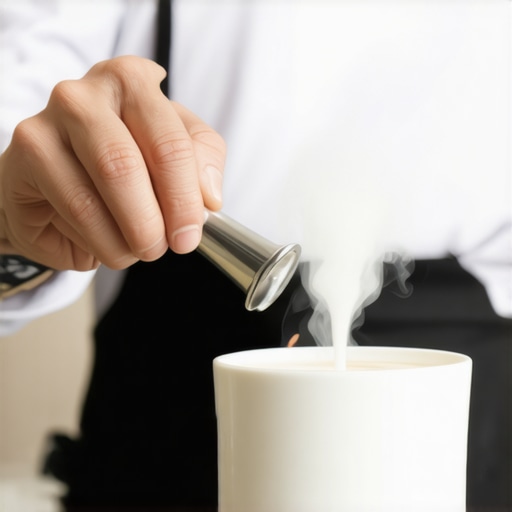 Many coffee enthusiasts believe that the secret to perfect microfoam lies solely in the type of milk or the power of their steamer. However, these misconceptions can lead to costly mistakes and frustration. One common myth is that higher steaming temperature automatically produces creamier foam; in reality, overheating denatures the proteins critical for microfoam stability. According to a study by the *International Journal of Barista Science*, maintaining optimal temperature—around 60–65°C—is essential for microfoam quality, not just maximum heat. Furthermore, some assume that using low-fat or skim milk is better for microfoam; while they produce smaller bubbles, they lack the fat content that enhances richness and glossiness, as highlighted in the *Coffee Research Institute*’s findings.
A sneaky trap many fall into is relying on automatic or smart milk frothers without understanding their limitations. While convenient, these devices often cannot adjust for milk variety or steaming nuances, resulting in inconsistent results. Mastering manual techniques, like controlling steam pressure and pitcher positioning, allows for more precise microfoam creation. For advanced baristas, it’s crucial to recognize the importance of steaming technique over equipment features. For example, creating a gentle whirlpool during steaming ensures bubble uniformity—an aspect that automatic frothers cannot replicate effectively.
Have you ever fallen into this trap? Let me know in the comments.
Why Does Milk Composition Matter More Than You Think?
It’s a common oversight to overlook milk’s pH and protein structure before steaming. Milk with higher pH levels tends to produce more stable microfoam, as proteins unfold and trap air more effectively. Also, choosing milk with higher casein content, like fresh, unprocessed options, can significantly improve foam stability. This nuance is often missed by casual coffee drinkers but is vital for those aiming to perfect latte art. For deeper insights, I recommend exploring tips in our **[comprehensive guide on generating flawless microfoam](https://milkfrothers.espressotechguide.com/creamy-microfoam-magic-essential-tips-for-coffee-lovers-in-early-afternoon)**.
Remember, the key isn’t just steam power; understanding milk chemistry can be your ace in creating microfoam that holds shape and shines. Avoid the trap of thinking all milk is created equal—your choice directly affects your results.Achieving cafe-quality microfoam consistently relies heavily on the right equipment and diligent maintenance. I personally swear by investing in a high-quality, precision-controlled milk steamer like the *Wilbur Curtis Model 2658* because it offers consistent temperature control and adjustable steam pressure, which are crucial for long-term microfoam success. Regularly cleaning the steam wand with a damp cloth and performing a weekly descaling routine helps prevent buildup that can hinder steam flow, ensuring smooth operation over time. Additionally, a silicone pitcher with measurement markings ensures you maintain the correct milk volume and positioning during steaming, making your microfoam more predictable and uniform.
To keep your tools performing at their best, establish a routine inspection schedule—check the steam wand for clogs, clean the frothing parts thoroughly after each use, and replace worn gaskets annually. Using advanced tools like a *ThermoPro TP67* infrared thermometer allows precise monitoring of milk temperature during steaming, helping you avoid overheating, which can damage proteins essential for microfoam stability. Such attention to detail prevents microfoam collapse and keeps your workflow efficient.
How do I maintain my milk steaming equipment over time?
Consistent maintenance involves a few strategic steps. First, always purge the steam wand before and after each steaming session to prevent milk residue buildup. Then, perform weekly descaling with a mixture of water and white vinegar or a specialized descaling solution to eliminate mineral deposits—this maintains optimal steam pressure and temperature stability. Additionally, regularly inspect the gasket seals and replace them if you notice cracks or wear, which can cause steam leaks and uneven microfoam. I recommend keeping an equipment log to track cleaning and replacements, helping you identify when upgrades or repairs are due. For detailed guidance, see our ultimate guide to milk steamer maintenance. Incorporating these practices ensures your investments stay reliable, ultimately leading to more consistent and beautiful latte art. Want to take your microfoam to the next level? Try calibrating your steam pressure with a digital manometer—it’s a game-changer. Regular upkeep and precise control of your equipment are the backbone of long-term success.
The Sharp Turns I Didn’t See Coming in Microfoam Mastery
One pivotal lesson I learned on my journey to perfect latte art was that patience trumps speed. Rushing the steaming process often led me to overheat the milk or produce larger bubbles, setting me back days or even weeks. Once I embraced slowing down and paying attention to small details—like the sound of the steam wand and the temperature—I saw dramatic improvements. Additionally, I discovered that milk’s freshness significantly impacts microfoam quality. Using milk that’s even a day past the sell-by date can make achieving that silky microfoam nearly impossible, no matter how skilled you are. Another lightbulb moment was realizing that routine maintenance of my equipment—regularly cleaning and calibrating my steamer—prevented many issues before they started, saving me time and frustration.
My Go-To Resources That Elevated My Skills
Over time, I found certain tools and sources invaluable. First, I swear by the ultimate guide to milk frother-steamer tips for detailed techniques that transformed my microfoam. For equipment, I trust the best milk frothers and steamers in 2024—they deliver consistent results I can count on. When I want to deepen my understanding, the book Barista Techniques for Perfect Microfoam provided insights I couldn’t find elsewhere, especially about milk chemistry. Lastly, connecting with fellow enthusiasts on forums like our contact page offers real-world advice that no manual can match.
Your Turn to Elevate Microfoam Skills
Remember, creating flawless microfoam isn’t just about technique; it’s about cultivating patience, curiosity, and consistency. Every cup you craft is a chance to learn something new — whether it’s a better angle for your steaming wand or a better milk type for microfoam stability. Keep experimenting, stay mindful of your equipment, and celebrate each small win. With dedication, you’ll unlock latte art that truly amazes—not just others, but yourself too. What’s one microfoam challenge you’re still working on? Share your experience in the comments below—your story might inspire someone else to press forward!
Reading this post really resonated with me, especially the importance of patience and technique in steaming milk. I used to rush through the process, often overheating the milk or missing the subtle whirlpool motion. Since I started focusing on consistent temperature control and slow adjustments, my microfoam has significantly improved, making my latte art much more precise and beautiful. I particularly agree about the significance of small bubble size—tiny microbubbles truly make a visible difference in the shine and hold of the foam.
One thing I’ve found helpful is investing in a thermometer to monitor milk temperature closely, which helps me avoid overheating. Also, I’ve been experimenting with different types of milk—full fat tends to create that rich, glossy microfoam more reliably, but I’d love to hear others’ experiences with alternative milk options.
Have you all noticed specific milk brands or types that tend to give more consistent microfoam for you? I’m curious about what others have tried and found effective as I seek to further refine my steaming technique.
This post hits so close to home for me, especially the part about controlling your steam to improve microfoam. I used to think that higher steam temperatures would give me creamier foam, but I learned that’s a myth! Overheating actually kills the proteins that give microfoam its structure—like you mentioned, around 60-65°C is optimal. One thing I’ve found especially helpful is investing in a good infrared thermometer; it gives me precise readings and helps me avoid those dry, dull microbubbles that ruin the latte art.
I’ve also experimented with different milk types—I find that unprocessed, fresh milk with higher casein content tends to produce more glossy and stable microfoam. Has anyone else noticed a significant difference when switching from, say, factory-farmed milk to pasture-raised dairy? I think the freshness and source really make a difference.
Any tips on maintaining consistent temperatures and foam quality across different milk brands? Would love to hear others’ experiences with various milks and equipment setups.