

3 Pouring Mistakes That Ruin Your 2026 Latte Art (and Fixes)
I’ll never forget the first time I watched my carefully steamed microfoam collapse just as I was about to pour my masterpiece. That sinking, speckled mess was a wake-up call—my latte art dreams were slipping through my fingers, and I was left feeling frustrated and defeated. Sound familiar? If you’ve spent hours perfecting your milk steaming technique only to see your beautiful designs turn into blobs of unrecognizable foam, you’re not alone. I’ve been there, too. But here’s the good news: understanding and fixing the common mistakes in pouring can elevate your latte art from average to stunning in no time.
Why Getting Pouring Right Matters More Than You Think
When it comes to latte art, the pouring phase is everything. It’s where your microfoam turns into intricate hearts, rosettas, or tulips. Yet, many coffee enthusiasts overlook this stage, focusing solely on steaming and foaming, leaving the pouring to chance. That’s like baking a perfect cake and ruining it by a sloppy icing job. The quality of your pour directly affects the clarity, contrast, and sharpness of your designs. Moreover, mastering proper pouring skills is crucial for consistency—so those latte art masterpieces become regular occurrences instead of happy accidents.
From personal experience, I used to think the secret was in the milk frother or the type of milk I chose. Turns out, even the best microfoam can be ruined by poor pouring technique. Early on, I overlooked how critical the pour angle, height, and flow rate are, leading to a lot of frustration. That’s why I started digging deeper into the common pitfalls and their fixes—like ensuring my milk was perfectly textured and my pour was deliberate and controlled. If you’re tired of pouring perfection into the sink, I promise that with some adjustments, your latte art can truly **pop**.
Are You Sabotaging Your Latte Art With These Common Mistakes?
One mistake I often made early on was rushing the pour, thinking speed was everything. Nope. It’s about control. Another was pouring from too high above, causing the microfoam to scatter instead of flow smoothly. And the worst—digging the tip of the pitcher into the crema, which destroys the visual contrast. These are small errors, but they have a massive impact on your final design. I’ve learned that by paying attention to these details—and knowing how to fix them—you can dramatically improve your results. Want to discover exactly what went wrong and how to fix it? Keep reading. I’ll walk you through the most common pouring mistakes and share insider tips that made a real difference for me. For more detailed guidance on microfoam perfection, check out our comprehensive article on [achieving microfoam like a pro](https://milkfrothers.espressotechguide.com/how-to-achieve-microfoam-stunning-latte-art-with-milk-steaming-tips-2). Now, let’s get into how to make every pour count.
Master the Angle for a Controlled Flow
Start by tilting your pitcher slightly away from you at about 30 degrees, similar to pouring paint from a brush with precision. This angle allows for a steady, controlled flow of microfoam, essential for creating sharp designs. During my first try, I kept the pitcher upright, resulting in a splatter that looked more like abstract art than a heart. Once I adjusted to this tilt, the microfoam flowed smoothly, enabling clear pattern formation.
Adjust the Height to Control the Ribbon of Milk
Keep the tip of the pitcher about 1-2 inches above the crema initially; this height prevents the foam from rushing out uncontrollably. Lower the pitcher gradually as you pour, allowing the foam to settle on the espresso slowly. I recall in my early attempts, pouring from too high caused the foam to disperse, blurring my design. By lowering the pitcher steadily, I gained more control, making intricate patterns feasible.
Flow Rate Determines Pattern Clarity
Use a slow, steady flow instead of a rapid pour, like squeezing a ketchup bottle gently. This consistency helps microfoam stay on the surface and form distinct shapes. Rushing the pour often results in blobs instead of the desired images. During practice, I adopted a gentle squeeze, which kept the foam flowing in a ribbon, giving me the ability to craft detailed hearts and rosettas.
Position Your Hand for Precision
Hold the pitcher firmly with your dominant hand, but keep your wrist relaxed to avoid shaking. Position your hand close to the pitcher’s body, enabling precise control over the pour. I used to lean too far over the cup, causing uneven pours, but once I relaxed my grip and adjusted my stance, my pours became cleaner and more consistent.
Start Slowly, Finish Strong
Pour with a slow initial stream to establish a base, then increase flow for the filling phase, and slow down again to finish. This rhythm emulates drawing with a pen – deliberate and controlled. Experimenting with this technique transformed my pouring into a smooth, deliberate motion, significantly boosting pattern clarity. For detailed visual guidance, check out our article on microfoam mastery.
Refine Your Timing and Movements
Timing is everything. Pause briefly when starting your pour to let the microfoam settle, then proceed with your design strokes. In my initial attempts, rushing led to sinking foam and ugly blobs. Practicing slow, deliberate movements made my latte art sharper and more defined. Remember, the key is consistency—each pour should follow the same rhythm for predictable results.
Combine Technique with Microfoam Quality
No matter how perfect your pour, if your milk isn’t textured well, the design suffers. Consistently achieve silky, velvety microfoam before pouring. For expert tips, explore our guide on microfoam techniques. A well-prepared microfoam flows smoothly and creates crisp, contrast-rich latte art patterns.
Many coffee enthusiasts assume that achieving perfect latte art is simply about pouring technique or selecting the right milk frother. However, even experienced baristas often overlook subtle nuances that can make or break their designs. One common myth is that microfoam quality alone guarantees beautiful latte art, but in reality, the interaction between milk texture, steaming technique, and pouring finesse is far more complex.
For instance, some believe that high-powered steamers automatically produce superior microfoam. Yet, without proper control of steam pressure and temperature, you might end up with overheated or uneven microfoam that collapses quickly. According to research by coffee scientist Chris Arnold, maintaining optimal steaming temperatures—around 140°F (60°C)—is critical for microfoam stability, preventing the tiny bubbles from bursting prematurely. Learn more about this advanced aspect in our article on secrets of the perfect milk steamer creme.
Are You Overlooking Microfoam Consistency in Your Routine?
Another misconception is that once microfoam is created, it remains stable forever. But microfoam is inherently delicate; it can deflate or thin out if not handled with care during pouring. Many neglect to consider how microfoam’s viscosity and bubble size affect flow and pattern sharpness. For advanced learners, controlling the viscosity through precise steaming and temperature settings can dramatically improve latte art clarity. It’s advisable to experiment with different milk types and steaming durations, as these factors influence microfoam behavior and ultimately, the visual sharpness of your designs.
Moreover, a subtle but crucial mistake is using a milk steamer or frother that isn’t well-calibrated. Even small temperature deviations can lead to inconsistent microfoam, which hampers pattern formation. For guidance on fine-tuning your steaming process, explore our microfoam mastery techniques. Perfecting microfoam isn’t just about technique; it involves understanding the nuanced chemistry of milk proteins and fats that stabilize tiny bubbles, which is backed by dairy research highlighting the importance of milk composition in foam formation.
Will your next attempt at latte art be truly exceptional? Remember, paying attention to these hidden nuances and avoiding common oversights can elevate your craft to barista-level. Have you ever fallen into this trap? Let me know in the comments and share your experiences.
Keep Your Equipment in Top Shape for Flawless Microfoam
Achieving stunning latte art isn’t just about technique; maintaining your tools is equally critical. Regular cleaning of your milk steamer wand and milk frother ensures no milk residues or mineral build-up interfere with microfoam quality. I personally schedule weekly deep cleans using a descaling solution compatible with my equipment, which prevents clogging and maintains optimal steaming temperature. Proper maintenance extends the lifespan of your devices and preserves their performance, making your latte art consistently sharp and vibrant. Want to dive deeper? Check out our microfoam maintenance guide for detailed routines and product care tips.
How do I keep my milk steamer working over time?
Implement a routine that includes regular cleaning after each use—wiping the steam wand and flushing it with water—plus weekly descale with a manufacturer-approved solution. Use soft cloths and avoid abrasive cleaners that can damage sensitive components. Monitoring steam pressure and temperature with a reliable gauge can prevent overheating or under-steaming, both of which affect microfoam quality. As the dairy industry experts suggest, maintaining a consistent steaming environment is essential for stable, velvety microfoam. Investing in a good-quality cleaning brush and descaling agent tailored for your machine type pays dividends in longevity and performance.
Tools I Recommend for Latte Art Mastery
In my experience, the right tools make a noticeable difference. For steaming, I swear by the Barista Space Milk Steamer because of its precise temperature control and easy-clean steam wand, which helps consistently produce silky microfoam without scorching the milk. Pair it with a high-quality stainless steel pitcher with a narrow spout; I prefer ones with a silicone sleeve to prevent slips during precision pouring. Regarding milk frothing, I use the top-rated handheld frothers, which allow fine-tuning foam density and bubble size—key for microfoam stability over time.
Future of Latte Art Tools and Techniques
The trend is moving towards smarter, more automated machines that integrate diagnostics for optimal maintenance; self-cleaning steam wands and temperature sensors will become more common, making upkeep even easier. I believe that as technology advances, experienced baristas and enthusiasts will benefit from more consistent results, reducing the learning curve. For a glimpse of upcoming innovations, explore our article on advanced equipment trends.
What do you do to ensure your tools stay in top condition?
Share your maintenance routines or favorite tools in the comments! And if you’re ready to elevate your microfoam game, I recommend trying the advanced steaming tip of regularly adjusting steam pressure based on milk type, as recommended by dairy scientists—it’s a game-changer for microfoam consistency. Visit our microfoam collapse fixing guide for more insights.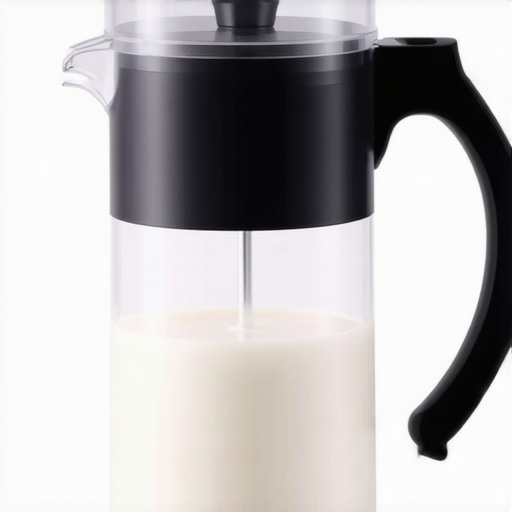
What I Wish I Knew When I Started Pouring
One of the toughest lessons I learned was that patience and deliberate control trump speed. Rushing my pour caused microfoam to scatter, ruining my designs. It took me a while to realize that mastering the subtle nuances of pour angle, height, and flow rate would open my eyes to clean, professional-looking latte art. This insight transformed my approach from hasty attempts to mindful craftsmanship.
Another revelation was how microfoam stability isn’t just about creation but also about handling. Microfoam that collapses or sinks often signals that I didn’t pay enough attention to milk texture or that I was pouring from too high. Recognizing these signals helped me adjust, build consistency, and develop a sense of rhythm that elevates each latte.
I also discovered that the quality of my tools makes a real difference—using a narrow spout pitcher and precise steaming controls made patterns sharper and more controlled. Investing in the right equipment and learning to maintain it became as important as perfecting my pouring technique.
Tools That Became My Coffee Armor
- High-Quality Pitcher: A stainless steel, narrow-spout pitcher with a silicone grip offers precision that boosts pattern sharpness. I trust this for consistent pouring.
- Accurate Microfoam Thermometer: Ensuring the microfoam is in the optimal temperature zone (around 140°F) makes all the difference for stability and flow.
- Reliable Milk Steamer: Regular cleaning and calibration keep my steaming consistent, preventing microfoam collapse and ensuring silky textures. Curious about how to keep it in top shape? Check out this guide.
- Steady, Controlled Pouring Routine: Breaking down the pour into deliberate stages helped me build confidence and reduce mistakes over time.
Seize Your Foaming and Pouring Future
Every latte artist faces unique challenges, but your journey is also about discovering what works for you through consistent practice and curiosity. The art of microfoam and pouring can truly elevate your coffee experience—turning simple ingredients into breathtaking designs. Remember, mastery doesn’t happen overnight, but with focused effort and patience, your latte art will reflect your growing skills. Have you ever experienced a breakthrough moment in your latte art practice? Share your story below and inspire fellow coffee lovers!