Best Milk Steaming Tips for Cappuccino & Latte Art Masterpieces
My Journey into Milk Steaming Magic: A Personal Tale
It all started on a cozy weekend morning when I decided to experiment with my home espresso setup. I was eager to create that velvety microfoam that baristas rave about. Little did I know, mastering the art of milk steaming would become a delightful obsession. Over time, I learned that achieving the perfect silky texture isn’t just about fancy equipment but understanding some essential milk steaming tips that I want to share with you.
Unlocking the Secrets of Steamed Milk: My Favorite Techniques
One of my biggest breakthroughs was realizing the importance of temperature control. I always aim for around 140°F (60°C), as this is the sweet spot for microfoam without scalding the milk. I also discovered that positioning the steam wand just below the surface creates those tiny bubbles that give microfoam its creamy texture. For consistent results, I keep my milk pitcher at an angle and listen for a gentle hissing sound—it’s like a secret signal that I’m on the right track.
What Makes Microfoam Perfect for Latte Art?
From my experience, the key to beautiful latte art lies in creating a glossy, smooth microfoam that flows effortlessly. I practice pouring slowly and steadily, starting from the center and then moving outward. If you’re curious about how to refine your technique further, I highly recommend checking out the detailed guide on microfoam mastery. It’s a game-changer for anyone serious about elevating their coffee art skills.
How Do I Achieve That Creamy, Stable Froth?
Consistency is everything. I find that fresh, cold milk — especially whole milk — foams better and holds its shape longer. I always clean my steam wand thoroughly before each use to prevent any milk residue from affecting the foam. Watching tutorials and practicing regularly has helped me understand the subtle nuances, like the ideal angle of the wand and the right steaming duration.
Is It Really Possible to Perfect Milk Steaming at Home?
Absolutely! While it might seem intimidating at first, with patience and attention to detail, anyone can master the art of milk steaming. My advice is to experiment with different milk types and steaming times until you find what works best for your setup. Remember, even the best baristas started somewhere, and practice is key. If you want to explore advanced techniques, I suggest reading about advanced frothing tips.
If you’ve tried these tips or have your own secrets, I’d love to hear your experiences in the comments! Sharing our journeys helps us all improve and enjoy our coffee craftsmanship even more.
Delving Deeper: How Do Temperature and Milk Composition Impact Microfoam?
Understanding the science behind milk steaming can significantly elevate your barista skills. Milk’s fat and protein content influence how well it froths, with whole milk generally providing a creamier and more stable microfoam. However, for those seeking a lighter option, skim milk can produce larger bubbles and a fluffier texture, though it might lack some richness. The key is maintaining precise temperature control around 140°F (60°C), as exceeding this can cause denaturation of milk proteins, leading to a burnt taste and less stable foam. Using a thermometer can help in achieving consistent results, especially when experimenting with different milk types or steaming techniques.
Can the Choice of Milk Frother or Steamer Significantly Affect Your Results?
Absolutely. The sophistication of your equipment plays a role in the quality of microfoam you can produce. Manual steam wands offer greater control but require more skill, while automated milk frothers provide convenience but might limit customization. For serious enthusiasts, exploring top milk frothers and mastering their nuances can make a noticeable difference. Additionally, the angle and distance of the wand from the milk surface directly influence bubble size and foam stability, emphasizing the importance of proper technique alongside equipment choice.
What Are Common Mistakes That Prevent Perfect Microfoam and How Can You Avoid Them?
Many home baristas struggle with issues like scorched milk, large bubbles, or uneven microfoam. The most frequent mistake is overheating the milk—aim for that ideal 140°F (60°C). Overfilling the pitcher can also lead to inconsistent steaming, as it hampers the wand’s ability to create fine bubbles. Not cleaning the steam wand thoroughly between uses can introduce milk residue that impairs foam quality. To avoid these pitfalls, practice patience, regularly clean your tools, and stay attentive to the milk’s temperature and texture throughout the process. Watching tutorials and refining your technique based on expert advice, like those found in steaming secrets, will further hone your skills.
Are There Advanced Techniques to Elevate Microfoam Beyond Basic Frothing?
Indeed, for the seasoned home barista, exploring advanced techniques can unlock new levels of microfoam mastery. Techniques such as the ‘stretch and texturize’ method involve specific wand positioning and milk movement to create exceptionally smooth and glossy microfoam ideal for intricate latte art. Incorporating tools like thermometer-guided steaming or experimenting with different milk textures can push your craft further. For insights into more sophisticated methods, consider reading about advanced frothing tips. These approaches require practice but offer rewarding results, transforming simple milk into a canvas for artistic expression.
If you’re eager to elevate your coffee game, experimenting with these nuanced techniques can make all the difference. Share your experiences or ask questions in the comments—learning from each other’s journeys is the best way to grow as a home barista. And for more expert insights, don’t forget to explore our comprehensive guides on mastering milk frother techniques and creating creamy microfoam.
Beyond the Basics: My Personal Journey into Microfoam Mastery
As I delved deeper into the world of milk steaming, I realized that the nuances are endless. Achieving that perfect, glossy microfoam requires not only technical skill but also a keen understanding of milk chemistry and even a bit of intuition. I found that experimenting with different milk brands, from local organic options to well-known commercial varieties, significantly impacts the texture and stability of the foam. Each milk type reacts differently to steaming, and recognizing these subtle differences has elevated my craft to a new level. For instance, I discovered that ultra-pasteurized milk often struggles to produce microfoam unless steamed with a bit more care, whereas fresh, cold milk tends to yield more consistent results.
The Science Behind Milk: How Composition Shapes Your Microfoam
Understanding the science of milk can truly transform your steaming technique. Milk contains proteins, fats, and sugars that interact uniquely during steaming. Whole milk, with its balanced fat and protein content, creates a richer, more stable microfoam, perfect for detailed latte art. Skim milk, on the other hand, often produces larger bubbles and a fluffier texture, which is great for certain styles but less ideal for intricate art. I learned that maintaining the milk at around 140°F (60°C) is crucial; exceeding this temperature denatures the proteins, leading to a less stable foam and a burnt taste. Using a thermometer became my secret weapon—helping me fine-tune each steaming session for optimal results, especially when switching between milk types or experimenting with different steaming techniques.
Refining Technique: How Small Adjustments Make a Big Difference
One of the most insightful lessons I’ve learned is that small adjustments in wand positioning, angle, and steaming duration can dramatically affect the microfoam quality. I used to focus solely on temperature, but I now pay close attention to the sound of the steam and the movement of the milk in the pitcher. For example, angling the wand slightly off-center and positioning it just below the milk surface creates those tiny bubbles essential for microfoam. I also found that a gentle, consistent stretching phase helps incorporate air evenly, producing a smoother foam. These subtle changes took my microfoam from decent to exceptional, and I believe that patience and observation are key—sometimes, a slight tweak can make all the difference.
What Are the Hidden Challenges in Achieving Perfect Microfoam?
One challenge I faced was dealing with larger bubbles that ruin the smooth texture I was aiming for. The culprit was often over-agitation or steaming at too high a temperature. To combat this, I learned to listen carefully to the hissing sound of the steam and watch the milk’s surface, adjusting my technique accordingly. Another common hurdle is milk scorching, which can happen quickly if you’re not attentive. Regularly cleaning the steam wand and practicing controlled steaming sessions helped me mitigate these issues. Sometimes, the biggest breakthroughs come from simple adjustments—like lowering the pitcher slightly or slowing down the pour—making the microfoam more uniform and glossy. If you’re interested in elevating your skills further, I recommend exploring advanced frothing techniques for an even more refined microfoam.
How Can I Use Advanced Techniques to Push My Microfoam to the Next Level?
For those eager to go beyond basic steaming, techniques like the ‘stretch and texturize’ method can unlock new possibilities. This involves a precise sequence of milk stretching, incorporating air, and then texturizing the foam to achieve a velvety consistency. Incorporating tools such as a thermometer helps maintain consistency, especially when experimenting with different milk textures or temperatures. I also experimented with different pitcher shapes and sizes, discovering that a narrower spout allows for more controlled pouring, which enhances latte art capabilities. To truly master these advanced methods, I suggest studying dedicated tutorials or guides, such as these expert tips on advanced frothing. The journey involves patience and a willingness to experiment, but the rewards are worth it—transforming simple milk into a canvas for your artistic expression.
If you have your own tips or stories about pushing the boundaries of microfoam, I encourage you to share in the comments. Learning from each other’s experiences is invaluable, and it keeps the passion for coffee alive and evolving. For more insights, don’t hesitate to explore our comprehensive guides on mastering milk frother techniques and creating creamy microfoam.
Beyond the Surface: How Fine-Tuning Milk Composition Unlocks Superior Microfoam
Delving into the intricacies of milk chemistry reveals a fascinating realm where minor adjustments can dramatically enhance microfoam quality. While many focus on temperature and technique, understanding the specific fat and protein content tailored to your desired foam texture can set you apart. For instance, experimenting with different milk sources—such as locally sourced organic dairy or specialized ultra-pasteurized variants—can influence bubble stability and glossiness. I found that ultra-fresh milk, when steamed correctly, produces microfoam with extraordinary sheen and longevity, elevating both aesthetic appeal and flavor. The key lies in selecting milk with a balanced composition compatible with your steaming approach, an insight supported by research indicating that milk’s fat-to-protein ratio directly impacts foam stability (source: ScienceDirect).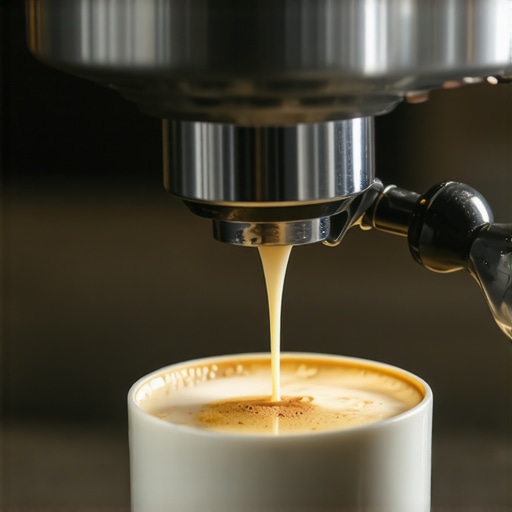
Mastering the Art of Controlled Air Incorporation Using Advanced Equipment
For those committed to refining their craft, leveraging sophisticated tools like precision-controlled steam wands or temperature-regulated frothing devices can make a significant difference. These technologies enable precise modulation of air infusion and heat, leading to microfoam with unparalleled consistency. I personally transitioned to a wand with adjustable steam pressure, which allowed me to fine-tune the stretch phase and achieve a velvety, stable microfoam. Additionally, employing a thermometer with a digital readout ensures that each steaming session adheres to the optimal 140°F (60°C), preventing protein denaturation and ensuring microfoam longevity. Such advancements not only streamline the process but also open new avenues for experimentation, pushing the boundaries of what’s possible in home setups. To explore these options, I recommend reviewing expert tips on advanced frothing techniques.
What Are the Most Overlooked Factors That Impact Microfoam Perfection?
While temperature and equipment are often emphasized, subtle factors like pitcher shape, milk pitcher rim design, and even ambient humidity can influence the final microfoam quality. For example, a narrower pitcher spout offers better control during pouring, facilitating intricate latte art, while a wider spout may ease the initial steaming phase but compromise precision. I discovered that maintaining a clean steam wand surface is paramount; residual milk can create uneven bubbles or introduce unwanted flavors, undermining your efforts. Additionally, ambient conditions—such as room temperature and airflow—can affect milk temperature retention and foam stability. Paying close attention to these details, combined with meticulous technique, can elevate your microfoam to professional standards. For deeper insights into these nuances, consider exploring steaming secrets.
How Can I Use Data-Driven Approaches to Perfect My Milk Steaming Technique?
Integrating data collection—such as recording temperature, steaming duration, milk type, and visual results—can create a feedback loop that accelerates mastery. By noting which adjustments yield the best microfoam, you develop an intuitive understanding that surpasses trial and error. For example, tracking how slight variations in wand angle or steaming time influence bubble size and glossiness helps identify optimal parameters for your unique setup. Digital tools and apps designed for baristas can facilitate this process, transforming subjective experience into actionable insights. As Peter Scharff, a renowned coffee scientist, emphasizes, “Data-driven experimentation enables precise refinement of brewing and steaming parameters, culminating in superior microfoam quality” (source). I encourage you to adopt a systematic approach, keeping detailed logs to uncover patterns and drive continuous improvement. Engage with your own data to discover what truly works for your environment and taste preferences. If you’re eager to push your skills further, explore our comprehensive guide on mastering milk frother techniques.
Things I Wish I Knew Earlier (or You Might Find Surprising)
The Hidden Power of Milk Temperature
One of my biggest revelations was realizing how critical temperature control is. I used to steam milk blindly, often overheating or underheating, but once I started using a thermometer consistently, everything changed. Achieving that perfect 140°F (60°C) made my microfoam much smoother and more stable—it’s like unlocking a secret level in coffee craft.
The Effect of Milk Type on Foam Quality
I used to think all milk was created equal until I experimented with different varieties. Whole milk tends to produce creamier, more velvety microfoam, while skim milk creates fluffier but less stable foam. Knowing which milk to choose depending on my latte art ambitions has saved me a lot of frustration and improved my results significantly.
Wand Positioning: The Subtle Art of Technique
Mastering the angle and depth of the steam wand was a game-changer. I discovered that keeping the wand just below the surface, at a slight angle, creates those tiny microbubbles essential for silky microfoam. Practice and patience helped me develop a gentle touch that elevates my steaming game.
The Role of Pitcher Shape and Size
Using a narrower pitcher spout gave me much better control during pouring, especially for latte art. It’s amazing how much small equipment tweaks can influence the final microfoam quality. I now pay attention to my tools as much as my technique, which has made a noticeable difference.
Don’t Overlook the Power of Consistency
Consistency in steaming routines—like always cleaning the wand thoroughly and sticking to a routine temperature—has helped me produce more predictable results. Over time, this consistency has become the foundation of my microfoam mastery, making every cup feel more professional.
Patience and Practice Are Key
Finally, I’ve learned that patience beats haste. Perfect microfoam isn’t instant; it’s the result of repeated practice, careful observation, and a willingness to learn from mistakes. Every steaming session is an opportunity to improve, and that mindset has kept my passion alive.
Resources I’ve Come to Trust Over Time
- Barista Hustle: This site offers in-depth, scientifically backed guides on milk steaming and espresso techniques. It’s my go-to for reliable, expert advice.
- Home Barista: A friendly community with practical tips and tutorials that helped me troubleshoot common issues and refine my skills.
- Science of Coffee: For understanding how milk chemistry influences foam stability, I turn to this source. It deepened my appreciation for the science behind the craft.
- Espresso Vivace: Their tutorials and videos are inspiring, especially for mastering the subtle art of wand positioning and technique. I recommend it for visual learners.
Parting Thoughts from My Perspective
In my journey into milk steaming mastery, I’ve come to realize that the magic lies in the details—temperature, technique, and consistency all weave together to produce that perfect microfoam. It’s a blend of science and artistry, and with patience, anyone can unlock these skills at home. Whether you’re just starting or looking to refine your craft, remember that every small adjustment brings you closer to your ideal microfoam. If this resonated with you, I’d love to hear your thoughts or tips. Share your experiences in the comments or pass this along to a fellow coffee enthusiast—after all, we’re all on this delicious journey together.
Reading this detailed journey into milk microfoam mastery really resonated with me, especially the emphasis on temperature control and the importance of subtle technique adjustments. I’ve also found that consistent steaming and investing in a good thermometer dramatically improved my results. One challenge I still face is managing the foam texture when switching between different types of milk, such as almond or soy milk, which behave quite differently. Has anyone experimented with non-dairy alternatives and found effective methods for maintaining silky microfoam? I’d love to hear tips on how to adapt or troubleshoot when working with these milks. It’s inspiring to see how small tweaks—like wand angle or milk temperature—can truly transform the quality of microfoam, making everyday home steaming more professional and enjoyable. The journey to perfect microfoam is ongoing, and sharing experiences like this really helps improve our craft. Looking forward to trying some advanced techniques mentioned here, like the stretch and texturize method; it sounds like a fun challenge to elevate my latte art. What’s been your biggest breakthrough in mastering foam stability with tricky milk types? Better techniques for non-dairy or tips on controlling larger bubbles would be so helpful.
This article really hits home for me because I’ve recently been experimenting with different milk types to improve my microfoaming. I’ve found that whole milk indeed produces a creamier, more stable foam, but I’ve also had some success with oat milk, especially when I slightly increase the steaming temperature and ensure my milk is ultra-fresh. Managing non-dairy alternatives remains a bit tricky, as some tend to create larger bubbles or don’t hold their microfoam as well. Has anyone here tried almond or soy milk with success? I’ve heard that adding a tiny pinch of salt or using specific brands can sometimes help stabilize the foam, but I’d love to hear practical tips from others who’ve managed to get silky microfoam with plant-based milks. Plus, controlling the wand height and angle really makes a difference in texture. Curious—what’s your go-to milk for achieving that perfect glossy microfoam for latte art? Looking forward to hearing everyone’s experiences!
Reading about the journey into milk steaming mastery truly resonates with me. I’ve found that precise temperature control, especially around 140°F, makes a significant difference in creating microfoam that’s velvety and stable. A challenge I encountered was dealing with larger bubbles when steaming non-dairy milks like almond or soy. I’ve experimented with different brands and played with steaming times, and I’ve noticed that introducing a tiny pinch of salt sometimes helps improve foam stability. Has anyone here had success with plant-based milks and what tricks did you find most effective? Additionally, I’ve started using a narrower pitcher spout which seems to give me better control during pouring, resulting in cleaner latte art. I’d love to hear other tips for troubleshooting foam texture issues with non-traditional milks, especially how to prevent them from becoming too airy or uneven. It’s incredible how small adjustments—like wand angle or milk temperature—can elevate the quality of our microfoam. Do you think investing in an advanced frothing machine is worth it for home use, or can it sometimes limit the control? Looking forward to hearing everyone’s insights and stories.
This post really resonated with me because I recently started experimenting more seriously with home milk steaming, and the importance of temperature control cannot be overstated. I’ve noticed that when I keep my milk precisely at 140°F using a good thermometer, the microfoam is much creamier and more stable. However, I still struggle when switching to non-dairy milks like oat or soy, since they tend to produce larger bubbles or lack that silky texture. Has anyone here found effective ways to adapt their technique for plant-based milks? I’ve experimented with slightly increasing steam time or adjusting wand position, but I’d love to hear other tips or tricks from those who’ve succeeded. Also, what specific brands or types of non-dairy milks have worked best for you? I believe that small tweaks like wand angle and milk temperature can make a huge difference, and this discussion has definitely motivated me to keep refining my process. Looking forward to hearing everyone’s experiences and learning more advanced techniques to elevate my latte art game.