
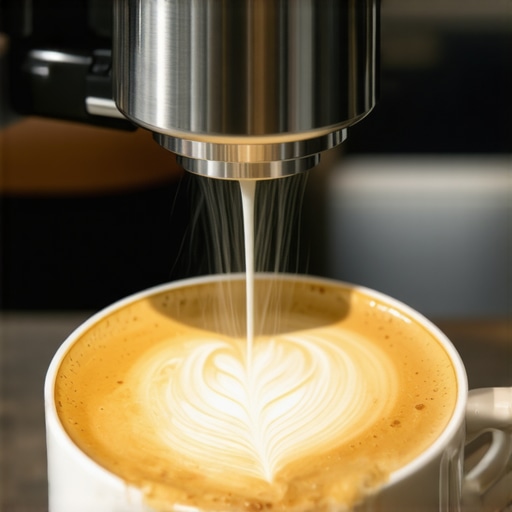
Ultimate Guide to Milk Steamer & Frother Tips for Perfect Latte Art
My Journey into the World of Milk Steaming and Frothing
As a passionate coffee enthusiast, I vividly remember the first time I attempted to create latte art at home. It was a cozy Sunday afternoon, and I was eager to elevate my coffee game. I still recall the excitement and a few foamy mishaps, but that day sparked my deep fascination with milk frothers and steamers. Over time, I learned that mastering these tools could truly transform my coffee experience from ordinary to extraordinary.
Discovering the Secrets Behind Perfect Microfoam
One of my biggest breakthroughs came when I understood the importance of microfoam. Achieving that silky, velvety texture not only makes your latte look stunning but also enhances its flavor. I started experimenting with different techniques, and I found that controlling steam pressure and temperature was key. For detailed tips, I often refer to expert guides like this resource, which helped me refine my skills.
How Do I Perfect My Latte Art Technique?
My approach to latte art involves a combination of proper milk steaming and steady hand movements. I focus on creating a smooth, glossy microfoam, then pour it slowly into the espresso, shaping hearts and rosettas with patience. Sometimes, I watch tutorials on advanced pouring techniques to improve my designs. The key is consistency and practice — I remind myself that even professional baristas spend years perfecting their craft.
Why Is Steaming Temperature So Critical?
Steaming temperature can make or break your milk. Too hot, and the milk loses its sweetness; too cold, and it won’t produce the desired microfoam. I’ve learned to keep my steam wand just below boiling point, around 150°F (65°C). Using a thermometer helped me develop this precision, which is essential for creating that perfect, creamy microfoam. If you’re serious about elevating your coffee, I recommend exploring this insightful guide.
What Are the Most Common Mistakes When Frothing Milk?
In my experience, common pitfalls include overheating the milk, not creating enough microfoam, or pouring too quickly. These mistakes can ruin the visual appeal and taste of your latte. The good news is that with patience and small adjustments, anyone can master the art of steaming and frothing. I encourage you to share your own experiences or ask questions in the comments — I love exchanging tips with fellow coffee lovers!
If you’re eager to take your latte art to new heights, don’t forget to explore further resources or experiment with different techniques. Remember, every cup you craft is a step closer to coffee perfection!
How Does Milk Texture Influence the Artistry of Your Coffee Creations?
Creating stunning latte art isn’t just about pouring skills; it fundamentally depends on the quality of microfoam you produce. A velvety, smooth microfoam ensures that your designs stay sharp and vibrant, giving each cup an aesthetic edge. Achieving this delicate texture involves precise control over steaming, which experts often refine by monitoring temperature and steam pressure. For those aiming to elevate their microfoam game, exploring detailed guides like this resource can provide invaluable insights.
The Role of Steam Wand Positioning in Milk Microstructure
The position of your steam wand relative to the milk surface significantly impacts the microstructure of your foam. A common mistake is immersing the wand too deep, resulting in larger bubbles and less velvety foam. To cultivate fine microbubbles, experts recommend keeping the wand tip just below the milk surface at the beginning, then submerging it deeper as the milk heats. This technique promotes a consistent, glossy microfoam essential for beautiful latte art and flavorful beverages. For a comprehensive understanding, check out this detailed guide.
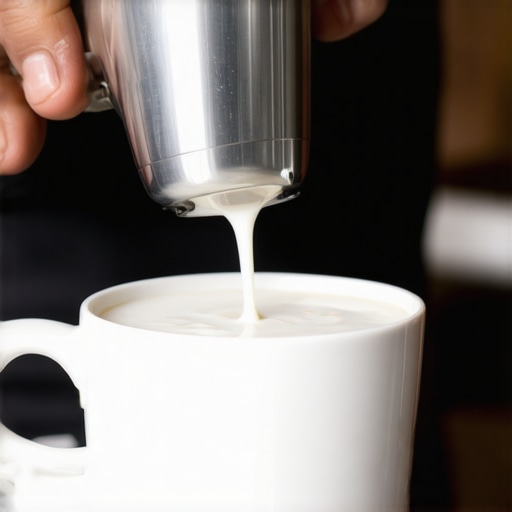
Can Mastery of Milk Frothing Techniques Transform Your Coffee Experience?
Absolutely. The difference between a good latte and a masterpiece often lies in the quality of the microfoam and the finesse of pouring. As I’ve progressed, I’ve realized that mastering milk steaming is as much about consistency as it is about technique. Practicing with different milk types, adjusting steaming angles, and using thermometers has helped me develop an intuitive sense for perfect microfoam. I encourage fellow coffee enthusiasts to experiment and share their findings, as collective knowledge accelerates mastery. If you’re interested in deepening your skills, explore this comprehensive guide for expert tips.
What Are the Practical Challenges in Achieving Consistent Microfoam During Busy Mornings?
In my experience, time pressure often leads to rushed steaming and inconsistent microfoam quality. Factors such as milk temperature fluctuations, hurried technique, or improper wand positioning can compromise results. To mitigate these issues, I recommend setting up your station beforehand, using a thermometer to monitor temperature, and practicing steady, controlled motions. These small adjustments can make a significant difference, especially when juggling multiple orders. Share your own strategies or ask questions — I find that discussing real-world challenges helps everyone improve their craft.
For continuous improvement, I suggest reading more about the nuances of milk steaming and frothing techniques at this link. Every cup you craft enhances your skills and brings you closer to latte artistry mastery!
Refining Microfoam: The Art of Subtle Adjustments
One of the most rewarding experiences in my coffee journey has been discovering how tiny tweaks can dramatically improve microfoam quality. I’ve learned that maintaining a consistent steam pressure and carefully monitoring temperature fluctuations are vital steps that often go unnoticed by beginners. Over time, I developed a routine—warming my milk to just below boiling, then adjusting the steam wand angle with precision—that allows me to produce microfoam with a silky, velvety texture. This process, while seemingly simple, requires a nuanced understanding of my equipment and a keen eye for detail. For those looking to deepen their mastery, exploring this comprehensive resource can be transformative.
Beyond the Basics: The Nuances of Steam Wand Positioning
During my experimentation, I realized that the positioning of the steam wand is more complex than it appears. Initially, I kept the wand too deep or too shallow, which resulted in inconsistent foam. It was only after observing seasoned baristas and practicing deliberate wand movements that I grasped the importance of keeping the wand tip just below the milk surface in the initial phase. As the milk heats and expands, gradually submerging the wand deeper helps create finer microbubbles. This delicate dance of positioning and timing is key to achieving the microstructure necessary for intricate latte art designs. If you’re eager to refine this skill, I recommend exploring this detailed guide.
Personal Challenges: Managing Microfoam Under Time Pressure
In my experience, one of the biggest hurdles during busy mornings is maintaining consistency under pressure. The rush to serve multiple orders can lead to hurried steaming, resulting in uneven microfoam or overheating the milk. To combat this, I found that pre-measuring my milk and setting up my station beforehand saves valuable time. Using a reliable thermometer and practicing steady, deliberate motions help me stay calm and produce quality microfoam even in high-stress situations. Sharing these practical tips with fellow enthusiasts has often sparked insightful conversations, revealing unique strategies tailored to different setups. If you’re interested in streamlining your process, I suggest reading this insightful article for expert advice.
The Personal Touch: How Microfoam Shapes Your Coffee Identity
Over the years, I’ve come to see microfoam as more than just a technical skill—it’s an extension of my personal style and patience. Developing an intuitive feel for the right temperature, pressure, and pouring rhythm has allowed me to craft not only beautiful latte art but also a more soulful connection with each cup. Every successful pour boosts my confidence, encouraging me to experiment further and push my boundaries. I believe that every coffee lover has their own unique approach, and sharing these personal stories can inspire others to find their signature touch. If you’re eager to deepen your understanding, exploring this resource can provide valuable insights to elevate your craft.
What Advanced Techniques Can Take My Latte Art to the Next Level?
I’ve found that incorporating techniques such as controlled pouring, strategic tilt, and even using different milk types can dramatically enhance the clarity and vibrancy of latte art. For instance, experimenting with almond or oat milk introduces new textures and flavors, challenging me to adapt my steaming technique to achieve similar microfoam quality. Additionally, advanced pouring methods like the ‘free pour swirl’ or ‘dot and slide’ techniques, as explained in this guide, have allowed me to create more intricate and personalized designs. I encourage you to share your own experiments or ask questions—every new attempt adds depth to your coffee artistry.
Refining Microfoam: The Art of Subtle Adjustments and Precision
In my continuous quest for coffee perfection, I have discovered that the smallest modifications in steaming technique can lead to significant improvements in microfoam quality. Adjusting the angle of the steam wand, the position relative to the milk surface, and even the pace of milk aeration are crucial. For example, maintaining a gentle, circular motion with the wand often results in finer microbubbles, creating that signature velvety texture essential for intricate latte art. This meticulous attention to detail, honed through persistent practice and observation, allows me to consistently produce microfoam that elevates the visual appeal and taste of my beverages. For a comprehensive understanding of these nuanced adjustments, I highly recommend exploring this insightful resource.
Mastering the Nuances of Steam Wand Positioning: A Deep Dive
The positioning of your steam wand is more complex than merely placing it beneath the milk surface. It involves a delicate balance—initially keeping the wand tip just below the surface to introduce microbubbles without disrupting the milk’s smoothness, then gradually submerging it deeper as the milk heats. This technique ensures a uniform microstructure, fostering microfoam that is both glossy and stable. Over time, I learned to observe the movement of the milk and adjust the wand’s position accordingly, which significantly improved my microfoam consistency. For aspiring baristas or passionate home enthusiasts, exploring this detailed guide can provide invaluable insights into mastering wand positioning.
Can Advanced Pouring Techniques and Milk Types Unlock New Creative Horizons?
Absolutely. Beyond mastering the basics, incorporating advanced pouring techniques such as controlled spirals, layered designs, or even freeform art can dramatically transform your coffee creations. The choice of milk type also plays a vital role; experimenting with almond, oat, or coconut milk introduces new textures and flavors, challenging you to adapt your steaming approach for optimal microfoam. For instance, oat milk often requires slightly different steaming parameters due to its higher viscosity, which can lead to richer, creamier microfoam when handled correctly. I recommend exploring this expert guide for innovative techniques to push your latte art to the next level. Don’t hesitate to share your experiments or ask questions—collaborative learning accelerates mastery and sparks creativity.
How Do Expert-Level Adjustments Impact Microfoam Stability and Artistic Precision?
In my experience, expert-level adjustments—such as fine-tuning steam pressure, controlling the rate of milk introduction, and precise wand positioning—are essential for creating microfoam that is not only beautiful but also stable enough for detailed art. Achieving this requires a keen understanding of your equipment’s responsiveness and the milk’s behavior under different conditions. For example, maintaining a consistent steam pressure prevents large bubbles and ensures microbubble formation, which translates into smoother, more resilient microfoam. This stability is crucial when executing intricate designs like rosettas or tulips, where precision and control are paramount. To deepen your understanding of these advanced nuances, I strongly suggest reviewing this comprehensive guide. Mastery of these details ultimately elevates your coffee artistry, making each cup a personal masterpiece.
Things I Wish I Knew Earlier (or You Might Find Surprising)
The Hidden Power of Microfoam
Looking back, I realize that understanding microfoam was my game-changer. I used to think all foam was equal until I discovered that velvety microfoam transforms both the texture and the visual appeal of my coffee. It’s amazing how such a tiny detail can make a huge difference in the final presentation.
The Temperature Sweet Spot
Keeping the steaming temperature just right—around 150°F (65°C)—was a revelation for me. Overheating ruins the milk’s sweetness and texture, while too cold results in flat foam. Using a thermometer helped me develop an intuitive sense for perfect steaming, elevating my coffee craftsmanship.
Wand Positioning Matters More Than You Think
Mastering the precise placement of the steam wand, especially just below the milk surface, was key to achieving microfoam with fine microbubbles. It’s a delicate dance that takes practice but pays off in the quality of your latte art.
Patience Over Speed
In busy mornings, rushing often led to inconsistent foam. Pre-measuring milk, setting up early, and practicing steady motions turned my rushed steaming into a calm, controlled process, ensuring consistent microfoam every time.
Small Adjustments, Big Improvements
Adjusting the angle of the steam wand or the rate of milk aeration might seem minor, but these subtle tweaks significantly improved my microfoam’s velvety texture and stability. It’s about fine-tuning your technique with attention to detail.
Experimentation Is Everything
Trying different milk types, depths of wand immersion, and pouring techniques opened up new creative possibilities. Oat milk, almond milk, and even coconut milk each require slight adjustments but offer unique textures and flavors worth exploring.
Resources I’ve Come to Trust Over Time
- Espresso Tech Guide: Their comprehensive tutorials on milk steaming and latte art are my go-to for technical insights. I especially recommend their ultimate guide.
- Barista Hustle: This site offers in-depth knowledge from professional baristas, perfect for those wanting to refine their skills further. Their articles helped me understand the nuances of steam wand positioning.
- Home Barista: A friendly community sharing practical tips and troubleshooting advice that I found invaluable during my learning curve.
Parting Thoughts from My Perspective
Mastering milk frothing and microfoam is a rewarding journey that can truly elevate your coffee experience. From understanding the importance of temperature to perfecting wand placement and embracing experimentation, each step brings you closer to coffee craftsmanship that’s both beautiful and delicious. If you’re passionate about creating stunning latte art, I encourage you to keep practicing, explore trusted resources, and enjoy the process—every cup is a new opportunity to learn and improve. If this resonated with you, I’d love to hear your thoughts or tips in the comments. Share this with a fellow coffee enthusiast who might find it helpful, and happy steaming!