
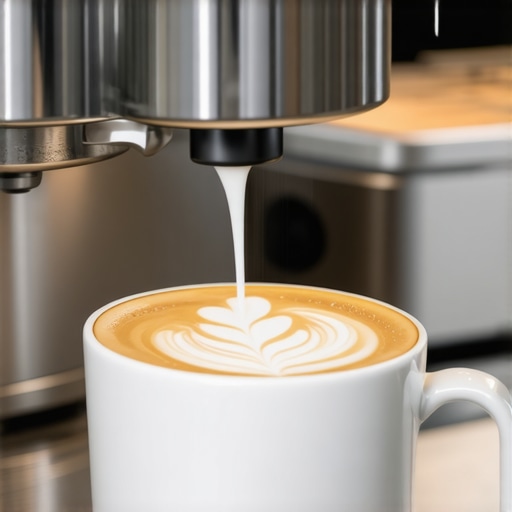
How to Achieve Flawless Latte Art with Milk Frother & Steamer Tips
Ever had that frustrating moment where your beautifully steamed milk turns into a messy swirl instead of a stunning leaf or rosette on your latte? I remember countless mornings where I’d proudly brew my coffee only to be met with a disappointing, frothy blob. It felt like my attempts at latte art were doomed from the start, and honestly, I doubted I’d ever get it right. But then, I discovered the secret: the right milk frother and steamer techniques can transform your coffee game completely.
Why Your Milk Frothing Might Be Holding You Back
For years, I thought all milk frothers were created equal. I used my basic handheld device, hoping that enough practice would magically produce those fancy swirls. Spoiler: it didn’t. Turns out, the quality of your microfoam and how you steam your milk makes all the difference. A light, velvety microfoam isn’t just for aesthetics — it’s the foundation of great latte art. According to a study by the Specialty Coffee Association, microfoam with a dense but silky texture is essential for creating those intricate patterns on your coffee’s surface. If your milk is too bubbly or too flat, your designs will never come out as crisp and defined as you want.
Early on, I made the mistake of steaming my milk too hot or not enough, which led to froth that was either too stiff or too runny. That’s a mistake I see often among beginners. The secret lies in controlling temperature and airflow — two skills that, once mastered, open up a whole new world of latte artistry. Just imagine, a simple adjustment can turn your morning brew into a piece of art. Curious about how to get that perfect microfoam? I’ll walk you through the steps to do just that.
Are Milk Frothers and Steamers Really Worth the Hype?
Like many, I was skeptical at first. I wondered if investing in a high-end steamer was just a luxury. But then I realized that a good frother isn’t just about looks — it’s about consistency. Consistent microfoam means your designs will be cleaner, your milk texture smoother, and your overall coffee experience more enjoyable. If you’ve ever felt frustrated because your latte art looks more like a scribble than a leaf, you’re not alone. But trust me, with the right tools and techniques, you can elevate your home barista skills significantly. For a detailed guide on how to create perfect microfoam, check out this expert tutorial.
So, if you’ve faced the struggle of uneven froth or disappointing designs, don’t give up. The journey to latte art mastery starts with understanding your equipment and mastering the basics. Ready to dive into practical steps that will turn your coffee into a canvas? Let’s get started!
Choose the Right Milk and Equipment
Start with fresh, cold milk—whole milk is ideal for creamy microfoam, but skim milk can produce lighter textures. Use a high-quality milk frother or steam wand; I recommend a device with adjustable steam pressure for better control. When I first upgraded my equipment, I noticed a significant improvement in foam quality. For detailed recommendations, visit this expert guide.
Master the Steaming Process
Prepare Your Milk and Pitcher
Pour cold milk into a clean, stainless steel pitcher—avoid overfilling; about a third full is perfect. Position your steam wand just below the milk surface to introduce air gradually. I learned this tip after my first messy attempt; it prevents splattering and ensures even microfoam. Keep the pitcher at a slight tilt for better aeration. For more tips, check this detailed tutorial.
Control the Temperature and Air Intake
Turn on the steam and listen for a gentle hissing sound—this indicates proper airflow. As the milk heats, move the pitcher in small circles to create a whirlpool effect, which helps break down bubbles into fine microfoam. Aim for a temperature around 140°F (60°C). I found that using a thermometer helped me avoid overheating, which ruins the microfoam. For temperature control techniques, see this guide.
Perfect the Microfoam Texture
Once the milk is steaming smoothly with a velvety consistency, turn off the wand and remove the pitcher. Tap it gently on a surface and swirl to eliminate larger bubbles. This step was crucial in my journey; my early attempts had large bubbles that made latte art impossible. Achieving a shiny, paint-like microfoam is key. For advanced tips, explore this resource.
Practice Pouring Techniques
Hold your cup at a slight angle and pour the steamed milk steadily into the center. As the cup fills, lower the pitcher closer to the surface to create contrast and form your design. I practiced over a few mornings, and the difference was night and day. Focus on steady, controlled movements for crisp, clean patterns. To refine your pouring, visit this comprehensive guide.
Refine Your Technique and Keep Practicing
Consistency is the secret. Each session, aim for the same microfoam texture and pouring style. Over time, you’ll develop a feel for the right temperature, airflow, and pour speed. Remember, even experienced baristas had many failed attempts—perseverance is part of the journey. For ongoing inspiration and advanced techniques, check this resource.
Many home baristas fall into common traps when trying to perfect their latte art, often based on misconceptions that can hinder progress. Let’s dig deeper into some of these myths and the nuances that many overlook, which can make or break your microfoam mastery.
Are Cheap Frothers Really Worthless for Latte Art?
Contrary to popular belief, you don’t always need the most expensive equipment to produce quality microfoam. While high-end steam wands and frothers offer superior control and consistency, many affordable models can still deliver decent microfoam if used correctly. The secret lies in technique—controlling airflow, temperature, and pitcher position—more than the device’s price tag. Keep in mind, even the best equipment won’t help if you’re not mastering the fundamentals. For advanced tips on maximizing your current gear, visit this resource.
Why Most People Overlook Temperature Control and Its Impact
Temperature control is often underestimated, yet it’s critical for microfoam quality. Many beginners steam milk until it’s hot to the touch, but this can lead to microfoam that’s either too stiff or too runny. The optimal temperature range for microfoam is around 140°F (60°C), which allows proteins to stretch and create that silky texture. Using a thermometer and controlling steam pressure precisely prevents overheating, ensuring consistent results. For detailed guidance, check out this tutorial.
Advanced Question: How Do I Achieve Flawless Microfoam Consistency for Intricate Designs?
Achieving a uniform, shiny microfoam isn’t just about temperature; it’s about the microstructure. The goal is tiny, uniform bubbles—a process that requires patience and finesse. Incorporating techniques like creating a whirlpool in the pitcher and adjusting the angle of your steaming wand can make a significant difference. Also, the pitcher’s shape influences how well you can control the milk’s movement, which impacts the microfoam’s smoothness. According to a study by the Specialty Coffee Association, microfoam with a dense but velvety texture is key for detailed latte art. For more advanced insights, explore this expert guide.
Many enthusiasts believe that a quick, aggressive steam is the way to go, but slow, controlled steaming often yields better microstructure. Remember, practice, patience, and understanding the science behind milk proteins and bubbles are your best tools. If you’ve ever fallen into the trap of rushing the steaming process, you’re not alone. Let me know in the comments if this resonated with you!
Once you’ve mastered the basics of milk steaming and microfoam creation, maintaining your equipment becomes crucial for long-term success. Proper care ensures your tools perform consistently, making your latte art look flawless every time. I personally swear by a few key pieces of equipment and routine practices that keep my setup in top shape.
How do I keep my milk steamer and frother in peak condition?
Regular cleaning is non-negotiable. Residue from milk can clog nozzles and affect steam pressure, which directly impacts microfoam quality. After each use, I recommend flushing your steam wand or frother with water, then wiping it clean with a damp cloth. For a more thorough clean, descaling your steam wand monthly prevents mineral buildup, especially if you live in hard water areas. Use a descaling solution suitable for espresso machines, and always run a water cycle afterward to rinse out any residue. Consistent cleaning not only prolongs the lifespan of your equipment but also guarantees consistent results, which is vital for developing your latte art skills.
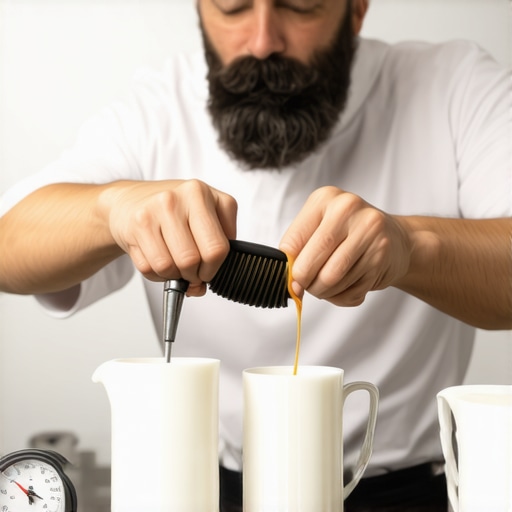
What tools do I personally recommend for reliable results?
In my experience, a high-quality stainless steel milk pitcher with a thin, rounded lip makes a noticeable difference. It offers better control over milk flow, which is essential for intricate designs. I prefer a pitcher with a volume mark at the 12 oz level—enough capacity for a couple of pours without being overly bulky. Additionally, a digital thermometer helps me maintain precise temperatures, avoiding overheating that ruins microfoam. When choosing a frothing device, I opt for models with adjustable steam pressure, like the best milk frothers for microfoam, because they give me the control needed for consistent microstructure.
For those serious about elevating their skills, I suggest investing in a good-quality espresso machine with a reliable steam wand. It might be a bigger investment, but a good machine reduces variability and allows you to focus on perfecting your technique rather than troubleshooting equipment issues. As the trend in home barista setups evolves, more brands are integrating smarter sensors and controls, which will likely make maintenance even easier in the future.
How do I keep my tools working long-term?
Adopting a routine maintenance schedule is key. Besides daily cleaning, inspect your equipment regularly for wear or damage. Replacing worn gaskets or seals prevents steam leaks that compromise pressure. Keep the steam wand tip free of milk residue with dedicated cleaning brushes—many come with the machine. Also, store your tools in a dry, dust-free environment to prevent corrosion. Staying proactive with maintenance ensures your setup remains consistent, and you won’t have to re-learn how to produce microfoam every time you upgrade or repair.
Looking ahead, I believe automated cleaning systems and smarter sensors will become standard, making maintenance even simpler. For now, a disciplined routine and quality tools are your best allies. Don’t hesitate to reach out with questions about specific equipment or maintenance tips — you can contact me through this contact page.
Now, I challenge you to incorporate a thermometer into your routine if you haven’t already. It’s a small step that can dramatically improve your microfoam consistency and latte art results. Happy steaming!
Through my journey in perfecting latte art, I’ve uncovered some deep insights that go beyond basic techniques. These lessons, born from trial and error, have transformed my approach and can do the same for you. Let me share some of the hardest lessons I learned about creating flawless microfoam and stunning designs.
Lessons That Changed My Approach to Microfoam
- Temperature Control Is King: I used to steam milk until it was hot, thinking more heat meant better froth. Wrong. I discovered that microfoam forms best around 140°F (60°C). Using a thermometer was a game-changer; it prevented overheating and kept my microstructure consistent.
- Patience Over Speed: Rushing the steaming process led to large bubbles and uneven textures. Slowing down, creating a whirlpool, and adjusting the wand’s position helped me develop silky, glossy microfoam that’s perfect for intricate designs.
- Microfoam Is All About Bubbles: The tiny, uniform bubbles are what make latte art crisp and detailed. Achieving this required a gentle, controlled introduction of air and constant swirling. Once I understood microstructure, my designs became sharper and more consistent.
- Equipment Isn’t Everything: While a quality steam wand helps, mastery of technique is more important. I found that even affordable frothers can produce excellent microfoam if used with care, patience, and understanding of the science behind it.
- Cleanliness Matters: Regular cleaning of my steam wand and pitcher prevented residue buildup, which could ruin microfoam. A disciplined maintenance routine ensures consistent results and prolongs equipment lifespan.
Where I Find My Best Tools and Inspiration
Having the right tools makes a significant difference. My go-to equipment includes a stainless steel pitcher with a fine lip for control, a digital thermometer for precise temperature, and an adjustable steam wand. These tools, combined with expert guidance from trusted tutorials, have been instrumental in my progress.
Books like The Coffee Art Guide and online courses have broadened my understanding of the science of milk proteins and bubbles, giving me the confidence to experiment and improve. For ongoing inspiration, I recommend following seasoned baristas on social media, where they share their own lessons and breakthroughs.
Your Journey Starts Now
Remember, mastery of microfoam and latte art is a blend of science, skill, and patience. Every steamed pitcher is a new opportunity to learn and refine your craft. Keep experimenting, stay patient, and enjoy the process of turning simple milk into a canvas of beauty. Your perfect latte art awaits — are you ready to elevate your coffee game?
What’s been your biggest challenge in creating microfoam or latte art? Share your experiences below and let’s grow together!