
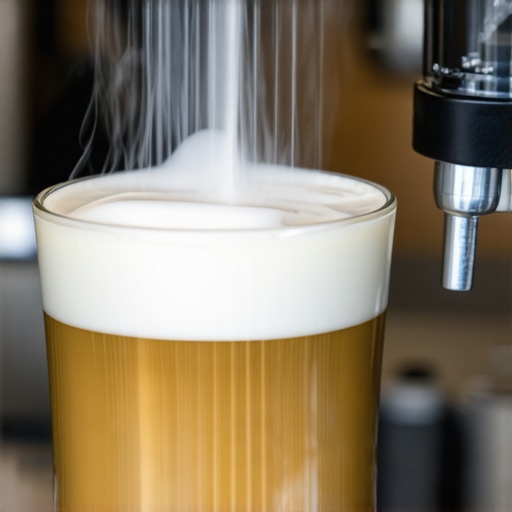
How to Achieve Flawless Microfoam with Milk Steamer & Frother Tips
Have you ever tried to craft that perfect, velvety microfoam only to end up with a frothy mess that looks more like whipped cream than smooth milk? I’ve been there—trying to get that silky, glossy microfoam for my lattes, only to be met with frustration and disappointment. It’s a common struggle that many coffee enthusiasts face, especially when starting out with steamers and frothers. But here’s the truth: achieving that cafe-quality microfoam isn’t just luck or magic—it’s about technique and a few insider tips I’ve picked up along my journey.
Why Microfoam Matters More Than You Think
Microfoam isn’t just about aesthetics; it’s the secret to elevating your coffee game. When done right, it integrates seamlessly into your espresso, enhancing flavor and creating that beautiful, glossy finish that makes every cup a work of art. Plus, microfoam helps in balancing the bitterness of the coffee, making each sip richer and more satisfying. But if you’ve ever experienced flat or frothy milk that ruins your latte or cappuccino, you know how disheartening it can be. That’s why mastering the art of microfoam is a game-changer for home baristas.
Many beginners make the mistake of rushing the process. They either overheat the milk, which destroys the texture, or don’t pay attention to the steaming angle and technique. I once thought just turning on the steamer and pouring would do the trick—until I realized I wasn’t creating microfoam at all, just large bubbles. The breakthrough came when I learned to control the steam wand’s position and temperature, leading to that smooth, shiny microfoam I now love. Want to skip the trial-and-error? I’ll guide you through proven tips that really work.
Ready to take your milk steaming to the next level? Let’s dive into the practical steps that will make your microfoam flawless every time.
If you’ve faced the same frustrations, don’t worry—you’re not alone. Many coffee lovers underestimate the importance of technique, and a common mistake I made early on was steaming the milk too aggressively or not enough, which resulted in inconsistent textures. According to a recent study by coffee experts, proper steaming technique is crucial for microfoam perfection — and it’s easier than you think once you understand the fundamentals. Curious how to avoid these pitfalls and create microfoam that rivals your favorite cafe? Keep reading, and I’ll show you how to master this skill with simple, effective methods.
Set Up Your Equipment Correctly
Start by ensuring your milk steamer or frother is clean and functioning properly. A dirty wand or frother can introduce unwanted bacteria or block airflow, ruining your microfoam. Fill your pitcher with fresh, cold milk—preferably whole milk for creaminess—and position it under the steam wand. Remember, a well-prepared setup saves you time and frustration later.
Position the Wand for Optimal Texturing
Imagine the steam wand as a painter’s brush—its angle and position determine your masterpiece. Insert the wand just below the milk surface at a slight angle, aiming to create a vortex. Think of it like stirring a pot—your goal is to introduce air gently while heating evenly. When I first tried this, I struggled with large bubbles, but adjusting the wand to a slightly more horizontal angle helped produce finer microfoam.
Control the Steam and Temperature
Low and steady wins the race. Turn on the steam gradually, listening for a gentle hissing sound—this indicates you’re introducing air slowly. Keep the pitcher’s tip just below the surface, and tilt it to create a whirlpool effect, which helps break large bubbles into tiny, velvety microbubbles. Use a thermometer to monitor the temperature; ideally, aim for around 140°F (60°C). Overheating kills the microstructure, so stop once you hit your target. I learned this the hard way after overheating the milk and losing that glossy finish.
Master the Texturing Technique
As the milk heats, move the pitcher slightly to keep the wand near the surface, then gradually submerge the wand deeper. This transition from introducing air to heating the milk evenly is crucial. Think of it as guiding the milk through stages—first frothing, then steaming. When I practiced this method, I noticed a significant improvement in microfoam consistency, making my lattes look professional.
Practice the Art of Shaping Microfoam
Once the milk is heated to the right temperature and the microfoam is silky, tap the pitcher on a counter to burst any remaining large bubbles. Swirl it gently to incorporate the foam and create a uniform texture. Pour slowly into your espresso, aiming for a smooth, glossy finish. Want to deepen your skills? Check out this guide for advanced microfoam techniques.
Refine Your Technique with Practice
Achieving perfect microfoam takes patience and consistent practice. Every machine and milk type behaves differently, so experiment with angles, speeds, and temperatures until you find your sweet spot. Remember, small adjustments make a big difference. Over time, these refined techniques will become second nature, elevating your coffee craft to a professional level.
For more detailed tips on steaming like a pro, explore this comprehensive guide.
Many coffee enthusiasts believe that the secret to perfect microfoam lies solely in using high-end equipment or a special technique. However, the truth is that most mistakes stem from overlooked nuances or misconceptions that can sabotage your efforts from the start. Let’s dig deeper into what most people get wrong about microfoam and how you can avoid these pitfalls to elevate your latte art game.
Why Overheating Milk Is a Major Trap
One of the most common errors is overheating the milk, which destroys its delicate protein structure and results in a dull, flat microfoam. Many beginners rush the process, aiming to heat the milk quickly, but this often leads to temperatures exceeding 150°F (65°C). At this point, the microstructure collapses, and you’re left with a burnt taste and poor texture. Instead, focus on controlling the temperature carefully—around 140°F (60°C)—to maintain the integrity of the microbubbles. For advanced enthusiasts, using a thermometer is essential, and regular practice with temperature control can make a significant difference. Want to master this skill? Check out this guide.
Steaming Angle and Position Are Often Misunderstood
Many home baristas assume that simply turning on the steam wand and submerging it into milk will produce microfoam. In reality, the wand’s angle and position are crucial. The wand should be inserted just below the surface at a slight angle, creating a vortex that introduces tiny air bubbles while heating evenly. A common mistake is to keep the wand perpendicular or too deep, which results in large bubbles or flat foam. Remember, the goal is a gentle, continuous whirlpool—think of it like stirring cream into coffee, but with finesse. For a detailed breakdown, explore this resource.
Many Don’t Recognize the Importance of Consistent Technique
Consistency is often overlooked, yet it’s the cornerstone of microfoam perfection. A single bad steaming session can set back your progress for days. The key is to develop muscle memory through deliberate practice—adjusting angles, speeds, and temperatures until you find what works best with your machine and milk type. Keep a journal of your settings and outcomes to identify patterns and improvements over time. If you’re serious about refining your skills, I recommend reading this advanced guide.
What Makes Microfoam Truly Advanced and How to Achieve It?
For experienced baristas, the challenge is not just creating microfoam but achieving a texture that allows for intricate latte art and a richer mouthfeel. This requires controlling the micro-bubbles’ size and distribution precisely, often by fine-tuning your steaming technique and milk type. Using whole milk generally yields better results due to its natural fat content, but plant-based alternatives can be tricky—they tend to produce larger bubbles unless you adjust your technique. According to a study by coffee science experts, manipulating the airflow and heat distribution during steaming can lead to microfoam with a more stable microstructure, offering superior visual and textural qualities. For the best results, review this comprehensive guide.
Have you ever fallen into this trap? Let me know in the comments. Mastering these nuanced aspects will make your milk microfoam much more consistent and professional-looking. Remember, patience and practice are your best tools on this journey to coffee perfection.
Keeping your milk steaming equipment in top shape is crucial for consistently achieving that silky, professional-quality microfoam. Over time, even the best tools can experience wear, buildup, or performance issues that compromise your results. Fortunately, with a few specific strategies and recommended tools, you can ensure your setup remains reliable and efficient, allowing you to focus on perfecting your latte art.
Choose Your Equipment Wisely and Maintain It Regularly
The foundation of great microfoam is a high-quality steamer or frother. I personally swear by the best milk frother and steamer that I’ve tested over the years. It strikes a perfect balance between power and control, making it easier to produce microfoam consistently. But even the most advanced equipment needs routine maintenance. Regularly descale your steamer, especially if you have hard water—this prevents mineral buildup that can clog airflow and reduce steam pressure.
To clean, I use a descaling solution recommended by the manufacturer, typically once a month. After descaling, run plain water through the system to rinse out any residual solution. This process not only prolongs the lifespan of your device but also ensures that every shot of milk steams with optimal performance, preserving that glossy microfoam quality you’re aiming for.
Tools I Rely On for Consistent Results
For precise maintenance, I recommend investing in a dedicated steam wand brush. This small but mighty tool helps clean out the tiny nozzles and crevices that often trap milk residue. I prefer a brush with natural bristles, as it’s gentle yet effective, ensuring no damage to the wand’s surface. Regular cleaning with this brush prevents milk buildup, which can cause uneven steaming or large bubbles.
Another essential tool in my kit is a milk thermometer. I use a digital thermometer that clips onto my pitcher, allowing me to monitor temperature accurately during steaming. Consistent temperature control is vital—overheating destroys the microstructure, while under-heating results in flat, untextured milk. Keeping a close eye on the temperature helps me dial in the exact microfoam texture every time.
Future Trends in Microfoam Technology
Looking ahead, I believe that smart steamers equipped with sensors and automated cleaning will become the norm. These devices could automatically alert you when descaling is needed or even adjust steaming parameters in real-time for optimal microfoam. Already, some high-end machines incorporate app connectivity, allowing for remote diagnostics and maintenance scheduling, which is a game-changer for serious home baristas.
How do I maintain my steaming gear over time?
The key is consistency—regular cleaning, descaling, and inspecting your equipment after each use. Establishing a routine prevents problems before they arise, saving you time and money in the long run. Make it a habit to wipe down your wand with a damp cloth after each session and run a cleaning cycle weekly if your device offers one. Also, always use fresh, cold milk to minimize residue buildup and ensure your tools perform at their best.
By investing in quality tools and sticking to a maintenance routine, you’ll keep your microfoams perfect and your equipment lasting for years to come. If you’re interested in more detailed maintenance strategies, check out this comprehensive guide. And don’t forget—regular upkeep is the secret to consistently stunning latte art and rich, textured milk every time you steam.
The Hardest Lesson I Learned About Microfoam
One of my biggest realizations was that patience beats speed. Rushing the steaming process often resulted in large bubbles or flat milk. Taking a moment to listen for the gentle hiss of steady steam and adjusting my technique accordingly made all the difference. This taught me that microfoam isn’t just about the right tools but about tuning into the subtle cues during steaming.
3 Myths About Microfoam That Held Me Back
I used to think that high-end equipment was the only way to get perfect microfoam. Turns out, technique and milk quality matter more. Also, I believed overheating was inevitable, but controlling temperature around 140°F transformed my results. Finally, I assumed the wand’s position didn’t matter—until I experimented with angles and saw a huge difference in microbubble size and consistency.
What Experts Won’t Tell You About Microfoam
Many seasoned baristas keep quiet about the importance of regular equipment maintenance. Descaling your steamer and cleaning nozzles prevent blockages that lead to uneven steaming and large bubbles. Trust me, a well-maintained machine produces more consistent, glossy microfoam, making your latte art look professional every time. For detailed tips on upkeep, check out this guide.
My Essential Toolkit for Microfoam
My go-to tools include a high-quality milk thermometer, a dedicated steam wand brush, and a reliable milk pitcher. The thermometer helps me keep the milk at an ideal 140°F, while the brush ensures my wand stays clean and free of milk residue. These small investments have paid off by making my microfoam more consistent and my latte art more impressive. For equipment recommendations, see this resource.
Your Turn to Try Microfoam Like a Pro
Now that you know the subtle nuances of steaming, it’s time to put these tips into action. Remember, consistency and patience are your best allies on the journey to perfect microfoam. Whether you’re aiming for latte art or just a velvety texture, these techniques will elevate your coffee experience. So go ahead—grab your pitcher, tune in to your machine, and enjoy every moment of creating that glossy microfoam. Your perfect latte awaits!
I completely agree with this post. When I started experimenting with microfoam, I used to rush the process, which led to inconsistent textures and a lot of frustration. It wasn’t until I paid close attention to the angle of the steam wand and took temperature control more seriously that I saw real improvements. Getting that vortex right and maintaining around 140°F helped me craft much smoother microfoam that pours beautifully into latte art. One thing I found helpful was using a simple thermometer with a clip—keeping that handy helped me avoid overheating the milk, which can really ruin the texture. I wonder, for those who are just starting out, what are some affordable but effective tools or methods to improve consistency? I’d love to hear others’ tips on establishing a routine that prevents common pitfalls like large bubbles or flat milk.
This post really hits the nail on the head about the importance of technique over fancy equipment when it comes to microfoam. I’ve personally struggled with getting the right texture, especially when I first started experimenting at home. The tip about adjusting the wand angle and controlling the temperature made a huge difference for me. I used to rely solely on visual cues, but now I always keep a thermometer nearby, aiming for that perfect 140°F. One thing I’ve found helpful is investing in a good-quality steaming pitcher with measurement marks, so I can better gauge the milk volume and temperature during steaming. Interestingly, I’ve also noticed that different types of milk behave quite differently — whole milk tends to be easier to work with, but I’ve been experimenting with oat milk as a dairy-free alternative. Has anyone else found that certain milk types improve microfoam consistency or pourability? It would be interesting to hear how others adapt their technique for different milk options and equipment.
This post really resonates with my experience—especially the emphasis on technique over equipment. I used to think that having the most expensive steamer would solve my microfoam issues, but I realized that mastering the angle of the wand and paying attention to temperature made all the difference. I started using a simple milk thermometer, which helped me maintain that critical 140°F mark, and it improved my microfoam consistency significantly. It’s also interesting how different milk types react—whole milk works best for me, but I’ve found oat milk can be tricky, often resulting in larger bubbles unless I adjust my technique. I’d love to hear from others—what’s your go-to milk for perfect microfoam, and does switching milk affect your steaming process? Practicing patience and small adjustments has really elevated my coffee game, and I think most home baristas could benefit from focusing more on technique than fancy tools. Any tips for beginners trying to keep consistent results across different machines and milk types?