
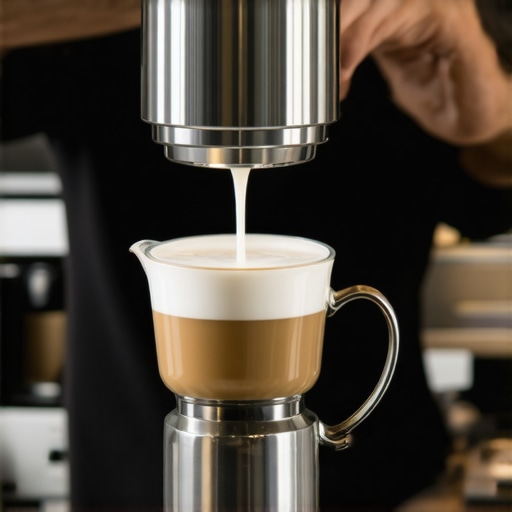
How to Achieve Flawless Microfoam with Milk Steaming & Frother Tips
Have you ever poured your heart into creating what should have been a silky, picture-perfect microfoam, only to end up with a frothy mess or flat milk? I’ve been there. One morning, after a frustrating string of failed attempts, I realized I was missing a key piece of the puzzle. It wasn’t just about having the right equipment; it was about mastering the technique. That lightbulb moment transformed my coffee game—and I promise, it can do the same for you.
Why Achieving Flawless Microfoam Matters
Microfoam isn’t just for visual appeal; it’s the foundation of a great latte or cappuccino. When done right, it adds a creamy texture and enhances flavor, creating a truly indulgent experience. But the road to perfect microfoam can feel like navigating a minefield of steaming pitfalls—overheating, large bubbles, or flat milk can ruin your efforts. If you’ve ever wondered why your milk never quite hits that smooth, velvety consistency, you’re not alone. It took me countless trials and errors, but I found that understanding the right technique and tools makes all the difference.
According to coffee expert Scott Rao, mastering milk steaming can elevate your barista skills significantly, turning your home espresso into a café-quality treat. And trust me, it’s achievable with practice and some insider tips. The key is knowing how to control the temperature, incorporate air properly, and select the right frother or steamer for your needs. Ready to stop guessing and start pouring perfect microfoam every time? We’re about to dive into the secrets that will make your milk steaming routine effortless and impressive.
Is Microfoam Steaming Worth the Hype? I Thought It Was Just About Looks
Early on, I made the mistake of thinking that frothing milk was just about creating those beautiful latte art patterns. Turns out, I was missing the point—texture and consistency are what truly matter. Achieving microfoam isn’t just about aesthetic appeal; it affects the taste, mouthfeel, and overall coffee experience. If you’ve ever feared that your efforts are futile or that you’ll never get that smooth texture, I get it. The good news is, with the right guidance, anyone can master this skill. Curious about how to avoid common mistakes and develop the confidence to steam milk like a pro? Keep reading, and I’ll share everything I’ve learned from my journey—plus links to expert resources that will help you elevate your coffee craft.
Pick the Right Equipment and Get Comfortable
Start with a quality milk frother or steamer that matches your skill level. I remember my first attempt with a basic wand — the milk was either too frothy or flat. Upgrading to a dedicated steam wand and practicing the proper positioning made a big difference. The secret is maintaining a steady hand and understanding your machine’s capabilities. For detailed equipment recommendations, check out the best milk frothers and steamers for 2024.
Perfect Your Milk Temperature and Texture
Temperature control is crucial. Aim for around 150°F (65°C); over- or under-heating ruins microfoam. Use a thermometer or learn to gauge the temperature by feel. I once tried steaming milk without one, and it turned out too hot, killing the texture. To master temperature control, follow expert tips at this guide on microfoam with milk steamer.
Incorporate Air with Precision
Begin by positioning the steam wand just below the milk surface at a slight angle. Turn on the steam to introduce air, creating tiny bubbles — similar to blowing into a straw but gentler. Within 3-5 seconds, you should hear a gentle hissing sound. At that point, lower the pitcher to submerge the wand deeper, allowing the milk to spin and heat evenly. I once added too much air early on, resulting in large bubbles — a mistake I fixed by adjusting the wand position and timing. Check out hacks for cafe-quality microfoam.
Create the Smooth Microfoam
Once the milk reaches the right temperature, turn off the steam and give the pitcher a gentle swirl. This mimics stirring and helps eliminate larger bubbles, resulting in a velvety texture. The goal is a glossy, paint-like surface with no foam standing out. I remember my first successful microfoam — it was a small victory after many attempts, but the results were worth it. For advanced techniques, explore mastering milk frother techniques.
Practice, Patience, and Consistency
Perfecting microfoam takes repetition. Don’t get discouraged by initial messes; each attempt teaches you something new. Focus on controlling the wand position, air intake, and temperature. Over time, you’ll develop a feel for your equipment, enabling quick adjustments. Remember, even experienced baristas refine their technique daily. For more comprehensive guidance, visit this expert resource.
Final Tips for Stunning Latte Art
Once your microfoam is perfect, pour with confidence. Use the right pitcher tilt and flow rate to create beautiful designs. Watching tutorials and practicing pouring techniques will boost your skills. When I finally nailed a heart shape, it was a proud moment—proof that consistent practice pays off. For advanced latte art tips, see this detailed guide.
Many coffee enthusiasts believe that creating perfect microfoam is just about having the right equipment and following basic steps. However, even experienced baristas often fall into subtle traps that compromise the quality of their milk. Let’s dig deeper into what most people get wrong about microfoam and how to avoid these pitfalls to elevate your latte art skills.
Why Overheating Milk Is a Silent Killer of Microfoam
A common misconception is that warming the milk as hot as possible results in creamier textures. In reality, exceeding 150°F (65°C) causes proteins to denature, leading to a loss of microfoam stability and a flat, stringy texture. Many forget that controlling temperature precisely is vital; even a slight overshoot can ruin the foam. Using a thermometer helps, but experienced baristas also develop a tactile sense for ideal temperature. For more advanced tips on temperature mastery, check out this guide on microfoam with milk steamer.
The Hidden Trap of Excess Air Incorporation
Introducing air into the milk is essential for microfoam, but doing it too aggressively or too early often leads to large bubbles and an uneven texture. The mistake is thinking that more air equals better foam. The key is to introduce just enough air at the right stage—usually within the first few seconds—and then submerge the wand deeper to heat the milk evenly. Over-aerating results in a bubbly mess rather than smooth microfoam. A good rule is to listen for a gentle hissing sound and stop air intake quickly. For expert hacks, explore this article on microfoam hacks.
Are Foam Texture and Latte Art Separate Skills?
Many think that microfoam quality is solely about visual appeal or latte art. But the real nuance is that texture directly impacts how well the foam pours and how it interacts with espresso. A velvety, glossy microfoam pours smoothly and creates stunning patterns, while large, frothy bubbles make pouring difficult and result in less intricate designs. Achieving this consistency requires patience, practice, and attention to detail. If you’re looking to refine your pouring technique, review this advanced latte art guide.
Have you ever fallen into this trap? Let me know in the comments how you overcame these common pitfalls. Remember, mastery comes from understanding these hidden nuances and applying them with care. Happy steaming!
Investing in the right tools is just the beginning of mastering microfoam; maintaining them over time ensures consistent, professional results. Durable equipment like high-quality steam wands and milk frothers can last for years if properly cared for. Regular maintenance not only prolongs the lifespan of your tools but also guarantees that each steaming session produces flawless microfoam. In this post, I’ll share my tried-and-true methods for keeping your equipment in top shape, along with specific tools I trust to deliver cafe-quality results every time.
How do I maintain my milk frothing tools over the long haul?
Proper maintenance starts with routine cleaning. For steam wands, I recommend a daily purge cycle after each use—simply open the steam valve to release any residual milk, then wipe the wand with a damp cloth. This prevents milk residue from clogging the nozzle and ensures even steam delivery. For your milk frother or steamer, use a descaling solution monthly to remove mineral buildup, especially if you have hard water. I personally use a specialized descaler recommended by industry experts to keep my equipment operating smoothly.
Another tip I swear by is investing in a dedicated cleaning brush designed specifically for steam wands. This small tool easily reaches inside the nozzle and eliminates stubborn milk deposits, maintaining optimal airflow for microfoam creation. Regularly inspecting the seals and replacing worn parts prevents leaks and maintains consistent steam pressure, which is crucial for achieving silky microfoam. A good quality replacement seal kit from trusted suppliers can be a game-changer for longevity.
Can I use advanced tools to streamline maintenance?
Absolutely. In my setup, I rely on a digital thermometer to monitor the steam wand temperature during steaming sessions, ensuring I stay within the optimal 150°F (65°C). This small investment pays off by preventing overheating and preserving microfoam quality. Additionally, using a high-quality steam wand cover or sleeve can protect your equipment from accidental damage and make cleaning easier. For those serious about consistent results, I recommend a professional-grade steam cleaner designed for frequent use.
What’s the future of equipment maintenance in coffee craft?
As technology advances, I see more smart coffee tools integrating sensors and self-cleaning features. Imagine a milk frother that alerts you when cleaning is needed or automatically runs a descaling cycle. These innovations not only save time but also ensure your microfoam remains impeccable every single time. Embracing these tools now can set you ahead in the craft, elevating your coffee experience to the next level.
Don’t forget—regular maintenance is key to long-term success. Try implementing a weekly cleaning routine with a focus on thorough nozzle cleaning and descaling. This small investment of time guarantees your tools will keep producing perfect microfoam, no matter how many cups you brew. For detailed instructions and recommended products, check out this comprehensive guide. Start caring for your equipment today, and watch your latte art skills flourish with consistently silky microfoam!
The Hidden Lessons That Changed My Approach to Microfoam
- Patience is your best friend. I used to rush the process, but I learned that slowing down and paying attention to each step—temperature, air, and swirl—makes all the difference. The biggest breakthrough came when I realized microfoam is about finesse, not speed.
- Temperature control is more art than science. Using a thermometer helped me develop an intuitive feel for when the milk hits that sweet spot around 150°F (65°C). Overheating not only ruins microfoam but also kills the flavor, so mastering this skill elevated my entire coffee game.
- Introduction of air must be gentle and deliberate. I used to think more air meant better foam, but I discovered that subtlety is key. Introducing just enough air early on, then submerging the wand deeper, created that silky microfoam I always admired in cafes.
- Consistent practice transforms beginners into pros. I kept experimenting, learning from mistakes, and refining my technique. Over time, I developed an instinct for how my equipment responds, turning what once felt like guesswork into a reliable routine.
My Essential Tools for Microfoam Mastery
- High-quality steam wand: Upgrading to a good steam wand made steaming milk more predictable and easier to control. I trust brands that are known for durability and precision, which you can explore in this guide to the best milk steamers for 2024.
- Milk thermometer: A reliable thermometer is indispensable. It ensures I don’t overshoot the ideal temperature, preserving the microstructure of the milk and enhancing flavor.
- Cleaning tools and descaling solutions: Regular maintenance keeps my equipment in top shape, preventing clogs and ensuring consistent steam quality. I recommend using a dedicated cleaning brush and trusted descaling products from this contact page.
- Digital temperature monitor: For advanced control, I use a digital thermometer to monitor steam wand temperature during each session, helping me fine-tune my technique.
Embrace Your Coffee Journey—You’re Closer Than You Think
Developing perfect microfoam is a rewarding process that blends patience, technique, and the right tools. Every small improvement builds confidence and brings you closer to creating café-quality drinks at home. So, don’t be discouraged by initial failures—each attempt is a step forward.
Remember, the art of microfoam isn’t just about aesthetics; it’s about enhancing the entire coffee experience. Keep practicing, stay curious, and enjoy every cup along the way. Your perfect microfoam is within reach, and I can’t wait to see your latte art masterpieces!
What’s been your biggest challenge in mastering microfoam? Share your story below—I’d love to hear your journey!