How to Achieve Perfect Microfoam with Milk Frothers & Steamers
My Journey to Perfect Microfoam: A Personal Tale
It all started on a chilly Sunday morning when I decided to elevate my coffee game. I was tired of mediocre froth and wanted that silky, velvety microfoam that baristas are famous for. After some trial and error, I realized that achieving perfect microfoam with milk frothers and steamers is both an art and a science. Today, I want to share my personal insights and tips to help you master this craft.
Unlocking the Secrets of Microfoam: The First Steps
When I first began experimenting, I found that choosing the right milk was crucial. I prefer whole milk for its richness, but skim milk can also produce excellent foam if steamed correctly. I always make sure to use fresh milk and give it a gentle swirl before frothing, which helps distribute the fats evenly. To get that fine, creamy texture, I learned that the temperature matters—ideally around 140°F (60°C). Using a good-quality milk steamer or a reliable milk frother, I started noticing how small adjustments made a big difference.
My Tried-and-True Technique for Fluffy Microfoam
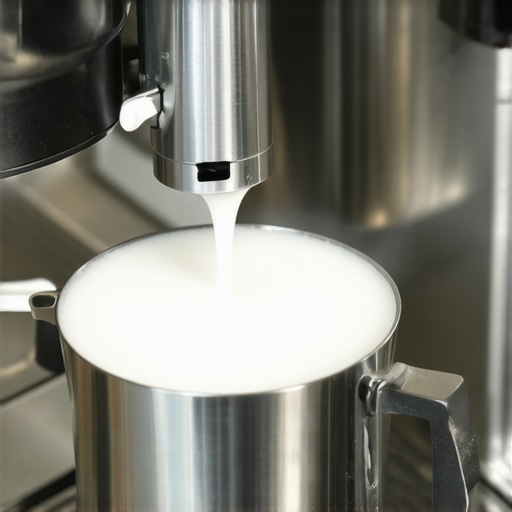
One technique I swear by is starting with dry steam if you’re using a steam wand. I immerse the wand just below the milk surface and turn on the steam fully, creating a vortex that spins the milk. This method helps incorporate air gradually, resulting in microbubbles that are tiny and uniform. I also find that stopping the steaming just before the milk reaches boiling point gives me the best texture. If you’re using a handheld frother, I recommend pulsing it gently at first, then increasing speed as the milk warms. It’s all about patience and practice.
Why Does Microfoam Matter in Coffee Art?
Great question! Achieving microfoam is essential for creating beautiful latte art, and it also enhances the overall flavor and mouthfeel of your coffee. When microbubbles are tiny, they blend seamlessly into the espresso, offering a smooth, velvety sip. I often refer to expert tips from sources like this guide to refine my technique. The key is to aim for a glossy, paint-like consistency that invites you to pour with precision.
What Are the Common Mistakes That Ruin Microfoam?
In my experience, the biggest pitfalls include overheating the milk, which causes it to lose its silky texture, or frothing too aggressively, resulting in large bubbles. I’ve learned to keep an eye on the temperature and to listen for the change in sound when the milk reaches the right point. Also, not cleaning the frother or steam wand properly can lead to inconsistent results. Regular maintenance is essential.
If you’re eager to improve, I invite you to share your own experiences or ask questions in the comments below. Remember, mastering microfoam takes time, but the reward of a perfect latte is worth every effort!
Enhancing Your Microfoam Mastery: Advanced Techniques and Practical Tips
Building on the foundational skills of microfoam creation, many seasoned baristas and coffee enthusiasts seek to refine their techniques further. Achieving consistently perfect microfoam involves understanding the nuances of milk composition, temperature control, and equipment calibration. For those eager to elevate their craft, exploring these advanced tips can make a significant difference in the final presentation and taste of your coffee.
The Art of Milk Selection and Preparation
While whole milk is often preferred for its richness, alternative milk options like oat, almond, or soy milk have unique properties that can influence microfoam quality. For instance, oat milk tends to foam well due to its natural starch content, while almond milk may require additional agitation. Always opt for fresh, cold milk and consider gently swirling the carton to distribute fats evenly before frothing. Temperature stability is crucial; using a thermometer can help maintain the ideal range of 140°F to 150°F (60°C to 65°C), preventing overheating that ruins microbubble formation.
Mastering Equipment for Consistent Results
High-quality steam wands and milk frothers are vital tools for expert-level microfoam. Regular calibration of your equipment ensures consistent steam pressure and temperature, reducing variability. For manual steam wands, a technique I recommend is creating a vortex by positioning the wand just below the milk surface and maintaining steady steam flow. This method encourages uniform air incorporation and microbubble formation. If you’re using an electric frother, look for models with adjustable settings to control frothing speed and temperature, facilitating more precise microfoam development. For in-depth guidance, check out this comprehensive guide.
Optimizing the Frothing Process: From Foam to Microfoam
The transition from foam to microfoam involves patience and a keen ear for sound cues. Begin with dry steam and gradually introduce air, listening for a gentle hissing sound. As the milk heats, lower the wand slightly to increase the foam’s density, aiming for a glossy, paint-like surface. For handheld frothers, pulsing the device gently at first helps incorporate air slowly, preventing large bubbles. Once the desired microfoam texture is achieved, stop frothing and swirl the milk to integrate the foam seamlessly into the liquid, creating a smooth, velvety consistency perfect for latte art.
Can Microfoam Be Overdone? Recognizing and Correcting Common Pitfalls
It’s a common misconception that more frothing always yields better microfoam. Overfilling the milk or frothing for too long can lead to large bubbles and a grainy texture, detracting from the smoothness essential for latte art. Overheating the milk beyond 150°F (65°C) causes proteins to denature, resulting in a thin, watery microfoam. Regularly cleaning your steam wand or frother ensures no residual milk fats or minerals interfere with the process. For detailed troubleshooting, visit this resource.
What Are the Practical Implications of Advanced Microfoam Techniques for Coffee Art and Flavor?
Implementing these refined techniques not only elevates the visual appeal of your latte art but also enhances the sensory experience. Microfoam acts as a canvas for intricate pour designs, enabling you to create hearts, rosettas, or tulips with precision. Additionally, microfoam’s velvety texture integrates seamlessly with espresso, delivering a balanced mouthfeel that accentuates the coffee’s flavor nuances. According to expert insights from this authoritative guide, mastering the science behind microfoam directly correlates with improved taste and aesthetic appeal.
If you’ve experimented with these techniques, share your experiences or ask questions below. For further reading, explore our articles on latte art mastery and milk steaming tips to continue refining your barista skills!
Beyond Basics: Embracing the Nuances of Microfoam Craftsmanship
As I delved deeper into the art of microfoam, I discovered that the journey is as much about understanding the subtle intricacies as it is about mastering the fundamental techniques. One of the most profound realizations I had was the importance of milk protein quality. Not all milk is created equal—freshness and protein composition significantly influence the microfoam’s texture and stability. I started experimenting with different brands and types, noticing how some yielded a creamier, more resilient microfoam, especially when paired with specific steaming techniques. This attention to detail has transformed my approach from routine to ritual.
Refining Temperature Control: The Invisible Art
Temperature management became an obsession. I invested in a reliable thermometer and set strict boundaries—aiming for that sweet spot between 140°F and 150°F (60°C to 65°C). But beyond numbers, I learned to read the milk’s behavior—the way it swirls, the sound of the steam wand, and the aroma. Achieving consistent microfoam requires a delicate balance; too hot, and the proteins denature, leading to a thin, unstable foam. Too cool, and the microbubbles won’t develop fully. This nuanced control elevates the quality of your latte art and flavor profile.
Personal Reflections on Equipment Calibration and Maintenance
Proper calibration and regular maintenance of my tools proved vital. I found that even the slightest variations in steam pressure or wand alignment could disrupt the microfoam quality. I now routinely descale my steam wand and check the pressure settings, ensuring each frothing session is as close to perfection as possible. The investment in high-quality, well-maintained equipment is reflected in the consistency and elegance of my microfoam. For those serious about refining their craft, I recommend exploring detailed guides like this comprehensive guide.
Balancing Art and Science: Your Personal Journey
Ultimately, microfoam is a beautiful dance between art and science. My personal journey has been about embracing the scientific principles—temperature, milk composition, equipment calibration—while nurturing the artistry of pouring and creating latte art. I often reflect on how each cup is a unique canvas, shaped by my understanding and intuition. I encourage you to experiment boldly, record your findings, and celebrate each small victory along the way. Your coffee journey is deeply personal, and each step brings you closer to that perfect microfoam that makes every latte a masterpiece.
If you’re passionate about elevating your coffee skills, I invite you to share your experiences or ask questions. For further inspiration and advanced tips, explore articles like this night-time guide for latte art. Remember, mastery is a continuous journey—enjoy every frothy moment!
The Science Behind Microfoam Stability and Longevity
As I delved deeper into microfoam mastery, I realized that understanding the molecular interactions within milk is crucial. The proteins, primarily casein and whey, form the backbone of stable microbubbles. When steamed at the right temperature, these proteins unfold and create a resilient matrix that traps air efficiently. Achieving a microfoam that remains stable for extended periods is not just about technique but also about selecting milk with optimal protein compositions. For instance, ultrahigh-temperature (UHT) milk tends to produce less stable foam due to protein denaturation, a fact highlighted in a study by this research. Incorporating such knowledge allows me to troubleshoot and refine my process with scientific precision.
Mastering the Art of Textural Nuance in Microfoam
Beyond the basic creation of microbubbles, I began experimenting with textural nuances—creating microfoam that is not only silky but also exhibits subtle variations in density for artistic expression. For example, I use different steaming durations and temperatures to modulate the density of the microfoam, enabling me to craft more complex latte art designs such as intricate rosettas or tulips. This requires a delicate balance: too dense, and the foam loses its pourability; too airy, and it collapses prematurely. My secret lies in the gentle control of steam pressure combined with real-time sensory feedback—listening to the sound of the steam wand and observing the milk’s behavior. These refined adjustments have transformed my latte art from simple patterns to expressive masterpieces.
What Are the Latest Innovations in Milk Frothing Technology?
Innovations in milk frothing technology continue to push the boundaries of what is possible. I recently explored the capabilities of smart frothers with integrated temperature sensors and programmable settings, allowing for unprecedented precision. Additionally, high-end espresso machines with electronically controlled steam wands offer consistent pressure and temperature profiles, reducing variability significantly. According to this resource, these innovations are making professional-level microfoam more accessible to home baristas. Integrating such tools into my routine has elevated my microfoam quality and consistency, enabling me to focus more on artistic expression rather than technical troubleshooting.
How Can Advanced Techniques Enhance Both Flavor and Visual Impact?
Implementing advanced microfoam techniques does more than just improve appearance; it enriches the sensory experience. Fine-tuned microfoam enhances the mouthfeel, allowing the espresso’s nuanced flavors to unfold fully. Moreover, the velvety texture acts as a canvas for complex latte art, elevating the visual presentation. For example, I’ve experimented with layering microfoam to create textured patterns that add depth to my designs, inspired by the meticulous craftsmanship discussed in this guide. If you’re looking to push your boundaries further, I encourage you to share your experiences or explore these techniques to unlock your full creative potential.
Refining and Personalizing Your Microfoam Technique
As I continued refining my craft, I realized that personalization is key. Different milk brands and batches vary subtly in composition, requiring me to adapt my approach constantly. I now keep a detailed journal of each steaming session, noting variables like milk temperature, steaming duration, and resulting microfoam quality. This meticulous record-keeping helps me identify patterns and optimize my process over time. Additionally, I experiment with alternative milks—such as cashew or hazelnut—each bringing unique challenges and opportunities for innovation. Embracing these nuances has made my microfoam not only more consistent but also more expressive, reflecting my personal artistry and scientific understanding alike.
Inviting You to Share Your Microfoam Journey
Mastering microfoam is a continuous journey of discovery, blending science, artistry, and personal expression. I invite you to reflect on your own experiences, experiment boldly, and share your successes and challenges. Whether you’re exploring new milk types, investing in innovative equipment, or refining your pouring technique, every step enhances your mastery. For further inspiration, check out this insightful guide. Remember, the pursuit of perfect microfoam is as much about patience and curiosity as it is about technique—so enjoy every frothy moment as you elevate your coffee artistry to new heights.
Things I Wish I Knew Earlier (or You Might Find Surprising)
Mastering the Milk Temperature
One of the most overlooked aspects of microfoam is the precise temperature control. I used to rely on guesswork, but once I started using a thermometer, I noticed a dramatic improvement. Maintaining that 140°F to 150°F range made my microfoam much silkier and more stable, and it prevented overheating that can ruin the texture. It’s a small investment that pays off big in consistency.
The Power of Milk Freshness
Fresh milk makes all the difference. I used to think any milk would do, but I realized that milk with higher protein content and freshness creates microfoam with better stability and creaminess. Once I started choosing fresh, cold milk and giving it a gentle swirl before steaming, my foam became noticeably finer and more velvety.
Equipment Calibration Matters
My steam wand was not always performing optimally because I didn’t think about calibration. Regularly checking and maintaining my equipment, like descaling and ensuring proper pressure, drastically improved my microfoam quality. It’s amazing how small adjustments in equipment can lead to big results in texture and consistency.
Patience is Key
Rushing the frothing process often leads to large bubbles and uneven microfoam. I’ve learned to be patient, starting with dry steam and gradually introducing air while listening for gentle hissing sounds. Swirling the milk at the right moment helps create that perfect paint-like finish. Patience turned my microfoam from average to exceptional.
Small Details Make a Big Difference
From the angle of the steam wand to the initial milk temperature, paying attention to small details significantly impacts the final microfoam. For example, immersing the wand just below the milk surface creates a vortex that helps incorporate tiny air bubbles. These nuances are what elevate microfoam from good to professional-looking.
Resources I’ve Come to Trust Over Time
- EspressoTech Guide: This site offers comprehensive tutorials and scientific insights that helped me understand the science behind microfoam. I highly recommend it for anyone serious about perfecting their craft.
- Barista Hustle: Their articles on milk steaming techniques are invaluable. They break down complex concepts into easy-to-understand steps, boosting my confidence in creating microfoam.
- Home Barista: This community platform provides practical tips and shared experiences that inspired me to keep experimenting and refining my technique. It’s like having a coffee-focused support group.
Parting Thoughts from My Perspective
Mastering microfoam has been a journey of discovery, blending both art and science. The key takeaway is that attention to detail—be it temperature, milk quality, or equipment maintenance—makes all the difference. I’ve found that patience and curiosity are my best tools, turning everyday coffee into an art form. If this resonates with you, I’d love to hear your experiences or any tips you’ve picked up along the way. Sharing our journeys helps us all grow as coffee enthusiasts. Remember, every great latte starts with a perfect microfoam, and every step in learning brings you closer to that mastery. So keep frothing, keep experimenting, and enjoy the beautiful process of coffee craftsmanship.