
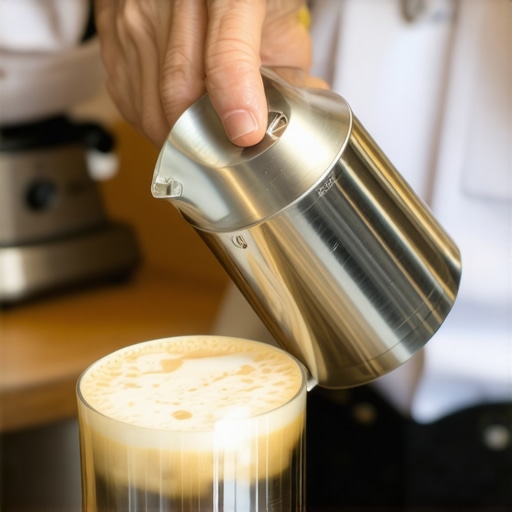
Master Microfoam & Milk Steamer Techniques for Perfect Lattes
Have you ever poured your heart into steaming milk for that perfect latte, only to end up with a frothy mess or a flat, lifeless drink? I remember countless mornings where I thought I’d nailed the technique, only to be met with disappointment. The lightbulb moment for me was realizing that mastering microfoam and milk steaming isn’t just about equipment; it’s about understanding the nuances and making small adjustments that transform your coffee experience.
Why Microfoam and Milk Steaming Matter More Than You Think
Getting the microfoam right isn’t just an aesthetic choice — it’s what makes or breaks your latte. Properly steamed milk creates a silky, velvety texture that melds perfectly with espresso. It’s what allows you to craft latte art that impresses friends and elevates your daily coffee ritual. But here’s the kicker: many coffee lovers give up too soon or rely on generic tips that don’t work for their specific machines or milk types.
Early in my journey, I made a classic mistake — rushing the process. I tried to steam in too much milk or at the wrong temperature, which resulted in froth that was either too stiff or too flat. It’s a common pitfall, but the good news is, once I understood the key principles and got a bit of guidance, everything changed. If you’re tired of inconsistent results or feeling overwhelmed by all the advice out there, I promise this post will clarify things and help you achieve cafe-quality microfoam from your own home.
Is All Microfoam Created Equal? The Truth About Milk Steaming
When I first started, I thought just having a good machine was enough. Turns out, the technique matters just as much, if not more. I used to think that if I just kept the steam wand in the milk longer, I’d get better foam — wrong! I learned that the secret lies in controlling the steam pressure, milk temperature, and positioning of the wand. And yes, the type of milk makes a difference too! Whole milk tends to give richer foam, but with the right technique, even plant-based milks can produce stunning microfoam.
It’s a learning curve, but once you get the hang of it, your lattes will become a daily masterpiece. Want to see how experts do it? Check out these advanced microfoam tips. They cover everything from the ideal temperature to wand angle, helping you transform your milk steaming from a chore into an art form.
Ready to dive into the practical steps? Next up, I’ll walk you through the exact techniques that will make microfoam your new best friend. But first, tell me—have you faced this exact problem with milk steaming? Drop your experiences in the comments, and let’s troubleshoot together!
Master Your Equipment and Settings
Start by selecting the right milk and setting your steam wand at the correct angle, roughly 45 degrees. I once tried to steam milk with the wand too deep, causing uneven microfoam. By adjusting to a shallow angle, I gained more control and smoother foam.
Warm the Milk Properly
Pour cold milk into your pitcher, filling it no more than halfway. Turn on the steam and submerge the wand just below the surface. Begin steaming with a gentle, consistent motion, creating a whirlpool effect. Aim for a temperature of about 140°F (60°C). I often check with a thermometer; in my early days, feeling the pitcher was enough, but now I rely on a thermometer to perfect the temperature.
Control the Microfoam Texture
Focus on introducing tiny air bubbles by keeping the wand near the surface initially, then submerge it to heat the milk evenly. I remember my first attempt resulted in stiff froth; gradually, I learned to keep the wand at the right depth and speed for silky microfoam. The key is patience and small adjustments.
Create the Perfect Spin
As the milk heats, move the pitcher in small circles to create a uniform microfoam. This whirlpool integrates the air and heat evenly. I found that a steady, consistent spiral yields the best microfoam. Once the desired temperature is reached, turn off the steam and tap the pitcher on a surface to settle the foam, then swirl it to incorporate any large bubbles.
Achieve a Glossy Finish
Pour the milk into your espresso, starting from a higher position to blend smoothly, then lower the pitcher to pour latte art. Properly steamed milk will have a shiny, velvety appearance. I once rushed the process, resulting in flat foam, but refining my technique with patience made a huge difference.
For more advanced techniques, consider exploring these expert microfoam tips. They detail wand positioning, temperature control, and steaming rhythms that elevate your coffee craft.
< >
>
Many coffee enthusiasts believe that simply having a high-end espresso machine or a fancy milk frother guarantees perfect microfoam every time. However, the real challenge lies in understanding the nuances that often go unnoticed. One widespread misconception is that longer steaming always results in better foam. In reality, oversteaming can lead to loss of milk sweetness and a watery texture, undermining the quality of your latte. To truly master microfoam, it’s essential to focus on temperature control and the delicate balance of introducing air at the right moments, as highlighted by experts in the field of coffee craftsmanship. For instance, maintaining a milk temperature of around 140°F (60°C) preserves flavor and texture, a fact supported by studies on milk heat stability and foam quality.
Another trap many fall into is relying solely on visual cues, such as the size of bubbles or the pitch of the pitcher, without paying attention to the actual milk texture. While these cues can help, the ultimate test is the feel of the milk — it should be silky and smooth, not stiff or overly watery. This tactile feedback is often overlooked by beginners but is vital for advanced microfoam mastery.
Advanced baristas also know that different milk types respond uniquely to steaming techniques. Whole milk, skim milk, and plant-based alternatives all require slight adjustments in technique. For example, plant-based milks like almond or oat milk tend to produce larger bubbles unless steamed with specific care, which is often misunderstood. To navigate this, consult detailed guides such as these expert microfoam tips that explore the subtleties of different milk varieties.
Moreover, a common myth is that the equipment alone determines the quality of microfoam. While a good steam wand is essential, technique and finesse are equally important. Proper wand positioning, consistent swirling, and temperature regulation are what truly elevate your microfoam from average to café quality. For those looking to refine their skills, exploring these advanced techniques can make a significant difference.
Now, I want to hear from you — have you ever fallen into this trap? Let me know in the comments, and together, we can troubleshoot and improve our microfoam mastery. Remember, the devil is in the details, and understanding these hidden nuances will set your coffee apart from the rest.
Achieving café-quality microfoam consistently requires more than just technique; it also depends heavily on maintaining your equipment and using the right tools. Investing in high-quality gear and knowing how to care for it can dramatically improve your results over time. In this post, I’ll share my personal recommendations for tools and maintenance routines that keep your milk steaming setup performing at its best.
How do I maintain my milk steaming equipment over time?
Regular maintenance is vital for longevity and optimal performance. I recommend starting with a thorough descale of your espresso machine and steam wand every 1-2 months, especially if you have hard water. This prevents mineral buildup that can clog the steam wand and disrupt steam pressure. Use a descaling solution recommended by the manufacturer, and follow their instructions closely. For example, many professionals swear by this descaling routine to keep their equipment in top shape.
Additionally, always wipe down the steam wand after each use with a damp cloth to remove milk residue. This prevents blockages and bacteria growth. For deep cleaning, remove the tip and soak it in a vinegar solution weekly. Ensuring your milk pitcher is clean and free of any residual milk or soap buildup is equally important. Use a dedicated brush to scrub the inside regularly, which helps maintain the microfoam quality.
Tools I personally rely on for consistent steaming
My go-to tool is a digital thermometer, which I use to precisely monitor milk temperature. Maintaining the ideal temperature of around 140°F (60°C) is crucial for silky microfoam. I prefer a stainless-steel pitcher with a thick wall because it distributes heat evenly and provides excellent control of the steaming process. For precision wand positioning, I use a steam wand alignment tool, which helps me keep the wand steady and at the right angle during steaming.
For those looking to elevate their setup, a dedicated milk frothing station with a built-in temperature control can be a game-changer. It allows you to pre-set the temperature, ensuring consistency across every shot. I’ve also found that using high-quality, fresh milk from local dairies or organic sources produces better microfoam with less effort. Experimenting with different milk types and maintaining consistent tools allows me to refine my technique continually.
Future trends in maintenance and tools
Looking ahead, I predict that smart coffee equipment with integrated sensors and app connectivity will become the norm. These devices will alert you when cleaning is needed or when your milk is at the perfect temperature, making microfoam mastery more accessible. Already, some brands are experimenting with IoT-enabled steam wands that automatically calibrate themselves for optimal performance. Staying updated with these innovations will ensure you keep your setup in peak condition and stay ahead of the curve.
If you want to explore advanced techniques that complement your tools, I highly recommend checking out these expert tips. Implementing even one of these methods can significantly improve your microfoam quality. So, go ahead—try a new cleaning routine or upgrade your thermometer today. Your future self will thank you for the consistently perfect microfoam every time!
The Hardest Lesson I Learned About Milk Microfoam
One of my biggest lightbulb moments was realizing that rushing the steaming process ruins the microfoam. Patience and subtle adjustments are key. I used to think longer steaming meant better foam, but oversteaming leads to loss of flavor and a watery texture, which was a wake-up call for me. Now, I focus on controlling temperature and introducing air just right, which transformed my lattes into works of art.
3 Myths About Milk Steaming That Held Me Back
Many beginners believe that a high-end machine guarantees perfect microfoam or that more bubbles always mean better foam. These misconceptions caused frustration. The truth is, technique and understanding milk types matter more. I learned that even plant-based milks can produce stunning microfoam when steamed correctly—something I didn’t believe at first. Exploring advanced tips helped me refine my craft and overcome these myths.
What Experts Won’t Tell You About Milk Microfoam
Many professionals keep their secret to silky microfoam close to the chest, but I’ve discovered that controlling the wand angle, temperature, and milk texture are universal truths. A common mistake is relying solely on visual cues; feeling the milk’s silkiness is a game-changer. Also, different milks respond uniquely, so adjusting your technique accordingly is essential. For a detailed guide, check out these expert techniques.
My Essential Toolkit for Perfect Milk Microfoam
To achieve consistency, I rely on a digital thermometer, a sturdy stainless-steel pitcher, and a steam wand alignment tool. Regular cleaning routines, like descaling every 1-2 months and wiping the wand after each use, keep my equipment in top shape. I also prefer fresh, high-quality milk, which makes a noticeable difference. For those eager to elevate their setup, I recommend exploring these advanced tools and maintenance tips.
Your Turn to Elevate Your Coffee Game
Mastering microfoam and milk steaming isn’t just about equipment; it’s about understanding the nuances and making small tweaks. With patience and practice, your daily coffee ritual can become a true art form. So, are you ready to experiment with your steaming technique and create café-quality lattes at home? Drop your experiences or questions below, and let’s learn together!
This post really resonated with me, especially the emphasis on patience and subtle adjustments when steaming milk. I used to rush the process, thinking longer was better, but I quickly learned that oversteaming can ruin the flavor and texture of the milk. Controlling the temperature and wand position has been a game-changer for me. I also started using a digital thermometer, which made a noticeable difference in consistency. One thing I struggled with was keeping the microfoam silky, but adding small circular movements and listening to the pitcher pitch helped me develop a better feel for the process. Has anyone experimented with different milk types to see how they respond to specific steaming techniques? I’ve been curious about oat and almond milks and how to optimize their microfoam without large bubbles. Would love to hear others’ insights on adapting techniques for various milk choices.
This post really hits home for me; I’ve struggled with microfoam consistency for a while, especially when trying different milk types. I found that plant-based milks like oat and almond can be particularly tricky because they tend to produce larger bubbles unless steamed carefully. I started experimenting with lowering the steam pressure and slightly adjusting the milk temperature—aiming for that sweet spot around 140°F—and it made a big difference. Also, holding the pitcher steady and maintaining a consistent whirlpool helps create a smoother, creamier microfoam. It’s interesting how small tweaks like these can elevate the whole latte experience. I’m curious—has anyone here tried using a milk frothing pitcher with graduated measurements? I’ve read that it helps in monitoring the amount of air being introduced, which might aid in achieving more uniform microfoam across different milk types. Would love to hear more tips from others who’ve navigated steaming different varieties of plant-based milks!