
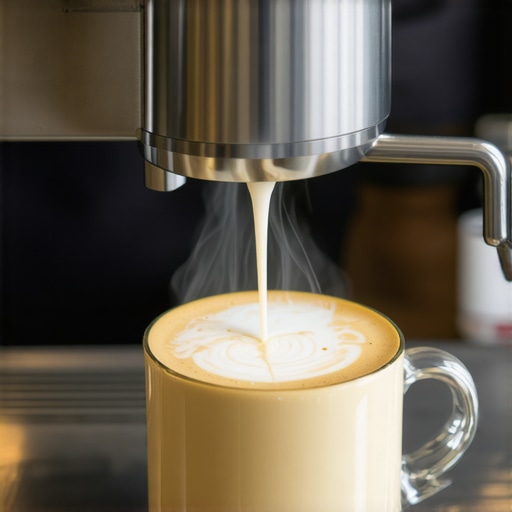
Master Microfoam with Top Milk Frothers & Steamers for Perfect Lattes
Have you ever poured a latte only to end up with a less-than-ideal milk surface, with tiny bubbles or uneven texture ruining your beautifully crafted coffee? I vividly remember the first time I attempted latte art. I was so excited to create those intricate hearts and rosettas — only to be met with a milk surface that looked more like frothy chaos than smooth microfoam. That moment was a lightbulb for me: pouring into a steaming mug of milk requires more than just heating it up.
The Microfoam Mystery: Why It Matters More Than You Think
Achieving the perfect microfoam isn’t just about aesthetics; it’s about texture, mouthfeel, and that rich, creamy layer that transforms a simple espresso into a café-quality masterpiece. The difference between a mediocre latte and a stunning one lies in the microfoam’s velvety consistency. Early on, I made the mistake of rushing my milk steaming process, thinking temperature alone would do the trick. Turns out, the technique is just as critical as the right equipment. According to professional baristas, mastering microfoam can elevate your coffee experience and impress even the most discerning palates. If you’ve faced the frustration of lumpy milk or a clingy, unworkable foam, you’re not alone. Lucky for us, the secret lies in understanding the interplay between steam pressure, milk texture, and the frothing technique.
Today, I promise to share with you the practical steps and expert tips that transformed my milk steaming from a stressful art into a relaxing routine. Whether you’re brewing at dawn in your quiet kitchen or perfecting your latte art in the evening, you’ll learn how to craft microfoam with consistency—making every cup a work of art.
Is Microfoam Worth the Hype or Just Fancy Froth?
Many skeptics ask: is this microfoam obsession justified? I admit, I used to think that as long as the milk was warm and bubbly, I was good. But I quickly discovered that quality microfoam adds that creamy, smooth layer that holds latte art and feels luxurious on your tongue. I also learned, through trial and error, that overlooking crucial factors like milk type and steaming angle leads to failed attempts. My mistake was underestimating the importance of proper technique and equipment. Want to avoid those rookie errors? Explore more about these techniques in this comprehensive guide.
In the next sections, we’ll dive into the specific tools and methods that make microfoam achievable, turning your coffee into a true café experience. Ready to master your milk and impress yourself with every pour? Let’s get started!
Prep Your Milk and Equipment
Start with cold, fresh milk—whole milk is preferred for creamier microfoam, but skim milk creates lighter, more velvety foam. Pour the milk into a small pitcher, filling it no more than halfway to allow room for expansion. Before steaming, ensure your milk steamer or frother is clean to avoid unwanted flavors or clumps. For me, the first attempt with a dirty steamer resulted in lumpy foam that was unusable. Cleaning thoroughly beforehand made a significant difference, giving me smoother results every time. Learn more about cleaning tips.
Heat and Position the Steam Wand Correctly
Insert the steam wand just below the milk surface, about 1-2 cm deep, and turn on the steam. Think of the wand as a painter’s brush; positioning it properly ensures even microfoam. Aim the wand at a slight angle, creating a whirlpool in the milk, which promotes even microbubble size. During my first try, I kept the wand too deep, resulting in big bubbles and uneven texture. Once I adjusted the wand to slightly below the surface, I saw immediate improvements—finer, more consistent foam. Keep the milk moving and monitor the temperature—ideal steaming occurs at around 140-150°F (60-65°C). Use a thermometer or learn to sense the ideal warmth by touch.
Master the Frothing Technique
Simultaneously create airflow by keeping the steam valve steady. Initially, you should hear a hissing sound—this indicates microbubble creation. As foam forms, reduce the airflow slightly to stabilize the bubbles, aiming for a silky, velvety consistency. This step is crucial; rushing or applying uneven pressure results in spit-like foam or split milk. I once rushed the process, and the foam separated into parts—thin and thick—ruining my latte art attempt. Practice stopping the steam at the right moment when the pitcher becomes too hot to hold comfortably. Rest the pitcher on a towel to help hold it steady and prevent movement. For detailed tips, consider this step-by-step guide.
Refine and Texture the Microfoam
Once you’ve steamed, start polishing the microfoam by gently swirling the pitcher to integrate the foam with the milk. This removes larger bubbles and creates that characteristic shiny, smooth surface ideal for latte art. Tap the pitcher lightly on the counter to burst any remaining large bubbles. Use a thermometer to confirm the milk is at optimal temperature. I learned that taking the time to refine the microfoam directly impacts the quality of my latte art—failure to do so left the foam clumpy and stubborn. For expert insights into perfecting this step, review this detailed resource.
Pour with Precision for Stunning Results
With your microfoam ready, it’s time to pour. Hold the cup at a slight angle and start pouring from a height of 10-15 cm, steadying your hand for control. As the cup fills, lower the pitcher close to the surface, and use controlled wrist movements to shape your latte art. Think of it like a paintbrush—small, deliberate strokes create intricate patterns. I initially hesitated, pouring too quickly and causing the foam to break apart. Practicing slow, steady pours transformed my designs from jagged blobs into delicate hearts and rosettas. For advanced tips, visit this comprehensive guide.
Many coffee enthusiasts fall prey to oversimplified notions about milk frothers and latte art, often assuming that techniques are purely about equipment and a bit of practice. However, there are nuanced aspects and misconceptions that can sabotage your progress if overlooked. One major myth is that temperature alone determines microfoam quality. While heat is essential, the true challenge lies in controlling steam pressure and positioning the Wand to achieve velvety microfoam. Rushing this process, especially at higher temperatures, often results in larger bubbles and uneven textures—the typical rookie mistake. To truly level up, consider experimenting with different steaming angles and pressures, as advised by professional baristas on this advanced guide. Another misconception is that more foam equals better latte art. In reality, too much foam dilutes the richness of the milk, making it difficult to create intricate designs. The goal is a balance: creating enough microfoam for artwork without over-aerating and losing that smoothness. This is a subtle nuance that separates good baristas from the truly talented. And watch out for the trap of using cheap or indiscriminate equipment. Not all milk frothers or steamers are created equal, and selecting the right tools can make the difference between a clumpy mess and glossy microfoam. As highlighted in this resource, investing in quality gear and maintaining it properly prevents common issues like uneven heating or inconsistent microfoam. But perhaps most overlooked is the importance of microfoam stability during pouring. Many waterfalls into the process after steaming, unaware that microfoam can destabilize if not handled correctly. Gentle swirling and proper pouring speed are critical refinements, often missed by beginners but essential for professional-quality latte art. Studies, such as those referenced by the Specialty Coffee Association, emphasize that microfoam stability enhances the visual and textural quality of lattes, ultimately elevating the entire coffee experience. Have you ever fallen into this trap? Let me know in the comments and share your insights! Proper understanding of these nuances and myths empowers you to make smarter choices and refine your skills, transforming a simple cup into a true work of art.
Keep Your Equipment in Prime Condition
Maintaining your milk steamer and frother is crucial for consistent microfoam quality. I recommend dedicating time weekly to thoroughly clean your steam wand and frothing pitcher. A simple vinegar solution works wonders for removing mineral buildup, which can impair steam efficiency and bubble formation. Additionally, inspecting and replacing worn seals ensures that pressure is maintained properly during steaming, preventing uneven microfoam. Regular descaling of your machine, especially in hard water areas, prolongs its lifespan and keeps your milk steaming consistent. For detailed maintenance routines, explore this guide.
The Hidden Pitfalls I Fell Into With Milk Steaming
I used to believe that the key to perfect microfoam was just heating the milk until it was warm enough. Turns out, I was missing the nuances of steam positioning and milk quality, which are crucial for velvety foam. My early attempts were filled with large bubbles and uneven textures, teaching me that craftsmanship in milk steaming requires patience and attention to detail, not just temperature control.
Tools and Tricks That Can Change Your Coffee Forever
After experimenting with different equipment, I found that investing in a high-quality milk frother and maintaining it properly has been transformative. For example, regular cleaning with vinegar and descaling routines keeps the steam wand functioning at its best. If you’re serious about microfoam, exploring these expert tips can make all the difference.
Patience Is Your Best Friend in Latte Art
One thing I underestimated for a long time was the importance of microfoam stability during pouring. Gently swirling the pitcher after steaming and controlling the pour speed helped me avoid breaking the foam and allowed my designs to shine. It’s tempting to rush, but patience and deliberate movements bring those intricate hearts and rosettas to life, elevating your coffee to an art form.
The Unexpected Lesson That Boosted My Confidence
Focusing on microbubble size and uniformity was a game changer. By adapting my steaming angle and pressure, I learned to produce foam that holds its shape better during pouring. This lesson taught me that small technical adjustments can unlock professional-quality latte art, inspiring confidence in every cup I craft.
Where To Go From Here to Perfect Your Microfoam
If you’re eager to deepen your knowledge, I highly recommend browsing this comprehensive resource. It covers everything from choosing the right milk type to advanced steaming techniques. Remember, mastery comes with practice and curiosity—so keep experimenting and enjoy the journey toward coffee perfection.
Your Next Step Into the World of Microfoam Magic
Now, it’s your turn to elevate your latte art with smarter techniques and better tools. I’ve shared my insights, but nothing beats hands-on experience. So, what’s the biggest challenge you face when steaming milk or pouring latte art? Let me know below—your story might inspire someone else to take their coffee craft to the next level!