Master Milk Frother Techniques for Stunning Latte Art & Microfoam
My Journey into the Art of Milk Frothing: A Personal Tale
Ever since I first started experimenting with my home espresso setup, I was captivated by the elegance of latte art. I remember the first time I successfully created a heart-shaped foam pattern; it felt like a small victory. Over time, I realized that mastering my milk frother was the key to elevating my coffee game. The more I learned about the nuances of milk steaming and frothing, the more I appreciated how essential these techniques are for creating that perfect microfoam and stunning latte art.
Understanding the Power of a Good Milk Frother in Your Coffee Routine
In my experience, investing in a high-quality milk frother transformed my mornings. Not all frothers are created equal, and I found that a good one makes the difference between a mediocre cappuccino and a beautiful, velvety microfoam. From handheld electric frothers to steam wands, each has its unique advantages. I personally prefer the steam wand for its precision, but I also enjoy the convenience of automatic frothers that do most of the work for me. According to coffee experts, the key is controlling the temperature and air incorporation, which directly impacts the microfoam’s consistency and stability.
How to Achieve Perfect Microfoam with Your Milk Frother
To get that silky, dense microfoam, I follow a few tried-and-true steps. First, I always start with cold, fresh milk—whole milk tends to produce the creamiest foam, but I experiment with alternatives like oat or almond milk for different textures. When steaming, I focus on creating a whirlpool motion to evenly incorporate air and heat. One tip I learned from an industry guide is to keep the wand just below the surface of the milk initially, then submerge it deeper as the milk heats. This technique helps in creating microfoam ideal for latte art.
What Makes Microfoam Ideal for Latte Art?
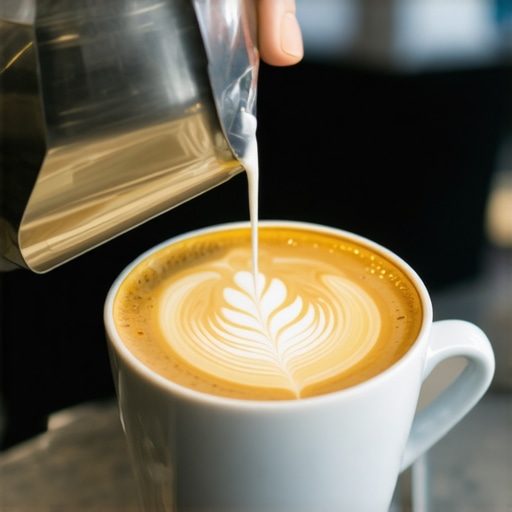
Microfoam isn’t just about texture; it’s about creating that perfect canvas for beautiful latte art. The tiny, velvety bubbles allow the milk to flow smoothly and hold intricate patterns. I’ve noticed that the better I master my milk frother’s settings—adjusting the steam pressure and temperature—the more detailed and lasting my latte art becomes. It’s like painting with milk, and the quality of the foam determines how precise your designs can be.
Sharing My Favorite Tips for Frothing Success
If you’re looking to elevate your coffee craft, I recommend practicing with different milk types and frother settings. Also, watch tutorials and read reviews—I’ve found that guides like this one have been invaluable. Remember, patience and consistency are key. Don’t be discouraged if your first few attempts aren’t perfect; microfoam is an art that takes time to master.
Why does mastering milk frothing matter for coffee enthusiasts?
Understanding the science behind milk frothing allows you to create consistently stunning beverages. It’s not just about aesthetics—microfoam also influences the flavor and mouthfeel of your coffee. A well-frothed milk enhances the overall experience, making every sip more enjoyable. If you’re eager to improve your skills, I encourage you to explore detailed tutorials and keep practicing—your latte art will thank you!
If you have tips or stories about your own latte art journey, I’d love to hear them! Share your experiences or ask questions in the comments below, and let’s keep the coffee conversation brewing. For more detailed guidance, check out this contact page.
Why Does Microfoam Quality Influence Coffee Complexity?
Many seasoned baristas understand that microfoam isn’t just a visual element; it profoundly impacts the flavor profile and texture of your coffee. When milk is steamed to perfection, the tiny bubbles meld seamlessly, creating a velvety consistency that enhances mouthfeel and allows for more intricate latte art. This uniformity enables the milk to flow smoothly over espresso, integrating flavors harmoniously while providing a stable surface for artistic designs.
What Advanced Techniques Can Take Your Frothing to the Next Level?
Beyond basic steaming, leveraging advanced methods—such as controlling the angle and depth of your steam wand—can significantly improve microfoam quality. For instance, maintaining a whirlpool motion ensures even heat distribution and bubble size reduction. Additionally, experimenting with milk temperature, ideally around 140°F to 150°F (60°C to 65°C), optimizes foam texture without scorching the milk, which can impair flavor and foam stability. For those seeking to refine their technique, I recommend exploring tutorials like this comprehensive guide for deeper insights.
How can understanding the science of foam stabilization enhance your latte art?
Foam stabilization hinges on the milk’s protein structure, which traps air bubbles within the microstructure. The better you understand this, the more consistent your foam becomes. By controlling factors such as milk temperature and aeration time, you can produce microfoam that holds intricate patterns longer. This knowledge is backed by scientific research, emphasizing the importance of protein denaturation and surface tension management, as detailed in authoritative coffee science sources.
Practical Tips for Achieving Consistency in Milk Frothing
Consistency is the hallmark of an expert. I suggest maintaining a regular steaming routine, measuring milk and steam parameters, and keeping your equipment impeccably clean. Regular practice with different milk types—such as soy, almond, or oat—can also help you understand how each responds to steaming, enabling you to adapt your technique accordingly. For more nuanced tips, check out this detailed resource.
Can Your Choice of Milk Significantly Impact Your Microfoam?
Absolutely. Different milk varieties contain varying levels of proteins and fats, which influence foam stability and texture. Whole milk tends to produce the richest microfoam, but alternative milks like oat or cashew can yield surprisingly good results if steamed properly. It’s a balance of understanding each type’s unique properties—something experienced baristas continuously refine through practice. For tailored advice, exploring this guide can be invaluable.
To further deepen your expertise, consider practicing with different frothers and steamers, and always keep an eye on temperature and aeration techniques—these are the keys to microfoam mastery. And if you’re eager to share your progress or seek personalized guidance, don’t hesitate to reach out through our contact page. Keep experimenting, and your latte art will become a true reflection of your skill and dedication!
Delving Deeper: The Nuances That Define Microfoam Mastery
In my ongoing journey to perfect my latte art, I’ve come to realize that the devil truly is in the details. Achieving consistently velvety microfoam isn’t just about the right milk or a good frother; it’s about understanding how subtle adjustments—like the angle of your steam wand or the exact temperature—can dramatically influence the final texture. I remember experimenting late into the night, tweaking these variables, and finally witnessing the difference it made in the microstructure of my foam. This meticulous attention to detail is what separates an amateur from a seasoned barista.
Why Does the Protein Structure of Milk Matter So Much?
Understanding the science behind milk proteins has profoundly reshaped my approach. Proteins like casein and whey are the building blocks of stable microfoam. When heated to optimal temperatures—around 140-150°F or 60-65°C—they denature just enough to trap air bubbles without breaking down entirely. This delicate balance creates that silky smooth foam that holds intricate latte art patterns. I often spend time reading scientific insights, such as those found in this detailed guide, which deepens my appreciation for the complex chemistry involved.
Advanced Techniques: Pushing the Boundaries of Frothing
Once I mastered the basics, I started exploring advanced techniques—like controlling the whirlpool motion more precisely or adjusting the milk temperature during steaming. For example, maintaining a consistent angle of the steam wand and keeping it just below the milk surface initially helps in creating uniform microbubbles. I also discovered that pre-warming the pitcher and using textured milk alternatives can yield surprising results, expanding my creative possibilities. For those eager to refine their skills further, I recommend exploring resources like this night-time guide for advanced tips.
How Can I Sustain Microfoam Quality Throughout My Coffee Session?
Sustaining high-quality microfoam from the first pour to the last sip is a challenge I often face. I found that maintaining a consistent steaming environment—regularly cleaning my equipment, measuring milk temperatures, and practicing controlled aeration—makes a significant difference. Also, integrating a routine of pre-steaming the pitcher and practicing gentle, steady pours helps preserve the foam’s integrity. Sharing these personal routines with fellow enthusiasts can be invaluable. I invite you to comment below and share your own strategies or struggles—sometimes, a simple tip from a fellow coffee lover can be a game-changer.
What Are the Most Overlooked Factors That Affect Microfoam Stability?
In my experience, many overlook the importance of milk freshness and storage conditions. Milk kept at optimal cold temperatures retains its protein integrity longer, translating into better foam. Additionally, the type of milk—whether it’s organic, pasture-raised, or fortified—can influence the bubble size and stability. Experimenting with different brands and storage methods has opened my eyes to how these factors subtly affect the microstructure. For a comprehensive understanding, I recommend reviewing this article about maximizing microfoam quality across various milk types.
Ultimately, perfecting microfoam is an art that combines science, technique, and intuition. I encourage you to keep experimenting, document your findings, and share your journey. Your insights could inspire others and deepen your own mastery. If you’re curious about further refining your skills, don’t hesitate to reach out through our contact page. Keep frothing, keep learning, and enjoy every step of your coffee adventure!
Refining Microfoam Stability Through Scientific Precision
As I delved deeper into the intricacies of milk frothing, I discovered that achieving stable, velvety microfoam hinges on a precise understanding of milk’s protein chemistry. Proteins such as casein and whey play pivotal roles in trapping air bubbles, creating that smooth, resilient foam that withstands both pouring and time. Scientific insights, like those outlined in research published by the Coffee Science Journal, emphasize that maintaining optimal temperatures—around 140°F to 150°F (60°C to 65°C)—is crucial to denaturing proteins without damaging their ability to stabilize foam. This nuanced control allows for microfoam that not only looks stunning but also persists during the entire extraction process, enhancing both visual appeal and mouthfeel.
Can Advanced Techniques Elevate Your Latte Art to a Professional Level?
Absolutely. Beyond basic steaming, techniques such as controlling the angle and immersion depth of your steam wand can significantly influence foam quality. For instance, maintaining a consistent whirlpool motion ensures uniform air incorporation and heat distribution, which is essential for microbubble formation. I’ve also experimented with pre-warming the milk pitcher and adjusting milk temperature dynamically during steaming, which has allowed me to craft microfoam with exceptional density and gloss. For those eager to push their skills further, I highly recommend exploring this comprehensive guide, detailing night-time techniques used by expert baristas to achieve flawless results.
How Do Small Adjustments Make a Big Difference in Microfoam Quality?
Small, deliberate adjustments—such as modifying the angle of the steam wand, controlling the initial temperature of the milk, or changing the immersion depth—can dramatically impact foam microstructure. For example, a slight tilt of the wand can facilitate better whirlpool formation, leading to finer bubbles. Similarly, gently lowering the milk’s temperature during steaming prevents overheating, preserving proteins for longer stability. These refinements are backed by empirical observations and scientific principles, reinforcing that mastery lies in meticulous attention to detail. If you’re interested in exploring these subtleties, I encourage you to engage with seasoned professionals and experiment relentlessly, documenting each variation for optimal results.
How Does the Choice of Milk Type Influence Microfoam and Artistic Precision?
The type of milk you select profoundly impacts the microfoam’s behavior and the potential for intricate latte art. Whole milk’s higher fat and protein content generally yields richer, more stable foam, ideal for detailed patterns. However, plant-based alternatives like oat or almond milk, when steamed correctly, can produce surprisingly velvety microfoam, broadening creative possibilities. The key is understanding how different compositions—such as protein structure and sugar content—affect aeration and stability. For instance, a study in the Journal of Coffee Technology highlights that oat milk, with its balanced protein content, offers excellent foam stability comparable to dairy milk. Experimenting with various brands and storage conditions further refines your ability to produce consistent microfoam tailored to your artistic vision.
How Can I Sustain Microfoam Excellence Throughout Extended Coffee Sessions?
Sustaining microfoam quality over multiple pours requires strategic routines and equipment management. I routinely pre-warm my pitcher and maintain a consistent steaming environment, regularly cleaning my steam wand to prevent residue buildup that can disrupt bubble formation. Using a thermometer to monitor milk temperature ensures that I stay within the optimal range, avoiding scorching or under-aeration. Additionally, gentle pouring techniques, such as slow initial pours to settle the microfoam, help preserve its integrity. Sharing these insights within the coffee community often leads to valuable tips—so I invite you to comment below with your routines or challenges. Remember, continuous practice and attentive adjustments are vital for mastery.
Engage with Your Microfoam Journey and Share Your Insights
If you’re passionate about elevating your latte art, I encourage you to explore advanced tutorials and experiment with different techniques. Personal experimentation, coupled with scientific understanding, unlocks new levels of craftsmanship. For personalized guidance or to share your progress, don’t hesitate to reach out through our contact page. Your dedication to refining microfoam can turn everyday coffee into a work of art, and I look forward to hearing about your breakthroughs and creative successes.
Things I Wish I Knew Earlier (or You Might Find Surprising)
The Protein Dance in Milk
One thing I wish I understood sooner is how milk proteins like casein and whey truly influence microfoam stability. Once I learned that optimal steaming temperatures (around 140-150°F) denature these proteins just enough to trap air without breaking down, my foam quality improved dramatically. It’s like discovering a hidden dance happening within the milk that decides whether your latte art will be crisp or flimsy.
The Power of Microbubble Size
Initially, I underestimated how tiny differences in bubble size could change everything. When I started focusing on creating finer, more uniform microbubbles, my latte art became sharper and more durable. Achieving this was a game-changer—small adjustments in my steaming technique made big differences in the final microfoam texture.
Temperature Control is Key
Honestly, I used to steam milk without a thermometer and often overheated or underheated it. Learning to monitor and control the temperature with precision allowed me to produce microfoam that was silky and stable. It’s amazing how a simple tool can elevate your coffee craft.
Milk Type Matters More Than I Thought
Experimenting with different milk varieties—dairy and plant-based—taught me that each responds uniquely to steaming. Whole milk yields richer foam, but oat milk, when steamed well, can produce velvety microfoam too. Understanding these differences helped me craft better coffee beverages tailored to taste and texture preferences.
Practice and Patience Are Essential
Mastering microfoam isn’t an overnight achievement. I spent countless mornings practicing, adjusting, and learning from mistakes. Over time, I realized that patience and consistent practice are the real ingredients for success. Don’t get discouraged—every attempt brings you closer to microfoam mastery.
Small Details Make a Big Impact
From the angle of your steam wand to the way you pour, small details significantly affect your results. Fine-tuning these aspects, backed by scientific understanding, helped me create microfoam that holds intricate latte art and lasts longer. It’s about paying attention to the little things that many overlook.
Resources I’ve Come to Trust Over Time
“Secrets of Perfect Milk Steamer Crema”
This comprehensive guide has deepened my understanding of milk chemistry and steaming techniques, making it an invaluable resource for refining microfoam quality. I recommend it to anyone serious about their coffee craft.
“Mastering Milk Frother Techniques”
With detailed tutorials and expert tips, this resource helped me elevate my frothing skills at dawn, especially when experimenting with advanced methods. It’s a must-read for enthusiasts looking to push their boundaries.
“Best Milk Frothers & Steaming Tips”
This site offers practical advice and reviews that assist in choosing the right equipment and techniques. It’s been my go-to for troubleshooting and improving microfoam consistency.
“Creating Fluffy Microfoam”
The step-by-step instructions here helped me achieve fluffy, stable microfoam using various milk types and frothers, enhancing my latte art and overall coffee experience.
Parting Thoughts from My Perspective
Understanding the science behind microfoam and refining my technique has truly transformed my coffee experience. From controlling milk temperature to paying attention to tiny details, every element plays a role in creating that velvety, art-ready microfoam. For any fellow coffee lover eager to elevate their skills, I encourage you to explore trusted resources and practice patiently. Remember, microfoam mastery isn’t just about aesthetics; it profoundly influences flavor, mouthfeel, and the joy of your coffee ritual. If this resonated with you, I’d love to hear your thoughts or stories—feel free to share your journey in the comments or reach out through our contact page. Happy frothing!”},