
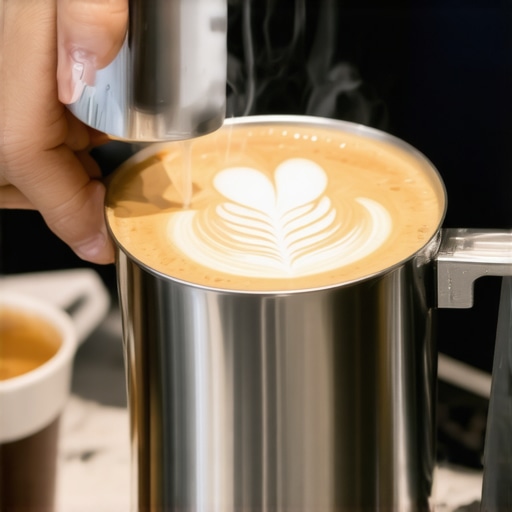
Ultimate Guide: Microfoam & Milk Frother Tips for Flawless Latte Art
The first time I tried pouring a perfect heart on my latte, I ended up with a sad, drooping blob that looked more like a spilled paint stroke than a work of art. Frustration bubbled up, and I wondered if all those glossy Instagram videos were just magic tricks I could never replicate. But guess what? That moment of failure became my turning point. I realized that behind every stunning latte art piece is a combination of microfoam mastery and a good milk frother skill set. Today, I want to share how I transformed my coffee game and help you do the same.
Why Microfoam Can Make or Break Your Latte Art
Microfoam might sound like coffee jargon, but it’s actually the secret ingredient that turns a decent cup into a masterpiece. It’s the velvety, silky foam that floats atop your espresso, giving you that ideal canvas for pouring beautiful designs. Without properly textured microfoam, even the most talented barista can struggle to create crisp, defined art. I used to think that just steaming milk was enough—until I realized that the key was in the technique.
That realization prompted me to dive into expert tips and experiment with different methods. As I learned to produce a smooth, shiny microfoam, I saw my designs become sharper and more intricate. Interestingly, research indicates that microfoam affects not just latte art but also how the milk interacts with the coffee’s surface, impacting both aesthetics and taste. According to a recent study, microfoam’s uniform texture enhances flavor perception, making your coffee taste as good as it looks.
But let’s be honest—getting there isn’t always straightforward. Have you ever faced the challenge of milk that was either too foamy or just flat? If so, you’re not alone. Many enthusiasts make basic mistakes, like using cold milk or not maintaining proper steaming angles, which sabotage their efforts.
In this guide, I’ll walk you through practical, proven steps to perfect your microfoam and select the best milk frother or steamer accessories. We’ll also tackle common pitfalls, so you can create latte art that truly elevates your coffee experience. Ready to turn those mug mishaps into café-quality masterpieces? Let’s get started.
Build a Solid Foundation with Milk Temperature
Start by choosing fresh, cold milk—preferably whole milk for its creamy texture. Pour the milk into your pitcher up to the spout to allow ample space for steaming. Aim to heat the milk to around 140°F to 150°F (60°C to 65°C); use a thermometer if necessary. This temperature range produces optimal microfoam without scalding. During my first try, I used overheated milk, which caused the foam to become chunky and unmanageable. Maintaining consistent temperature is crucial for smooth microfoam.
Position Your Frother or Steamer Correctly
If using a steam wand, submerge the tip just below the milk surface at a slight angle. For electric frothers, ensure the attachment is properly secured and set to the microfoam setting. Imagining the wand as a paintbrush helps—gentle, consistent strokes produce the finest foam. In my experience, leaning too deep or too shallow leads to either flat milk or overly frothy, bubbly foam. Proper positioning ensures the milk spins in a vortex, integrating air evenly for velvety microfoam.
Master the Art of Introducing Air
Begin steaming by turning on the wand and allowing air to be drawn in gently through the tip. Listen for a soft hissing sound—this indicates you’re introducing just enough air to create fine bubbles. Keep the wand near the surface during the first few seconds, then submerge slightly deeper to continue heating. Think of it like blowing a gentle, consistent breath—too aggressive and you’ll get large bubbles; too soft, and you won’t develop enough foam. My breakthrough came once I synchronized the airflow with proper positioning, resulting in a glossy, smooth microfoam.
Achieve the Perfect Microfoam Texture
As milk heats, keep the pitcher tilted and steady. Once the milk reaches the desired temperature, lower the wand deeper to continue spinning the milk, similar to stirring a thick, creamy soup. The goal: a silky, paint-like texture without large bubbles or thin foam. I once rushed this step, resulting in uneven foam that tore apart when poured. Patience and steady motion are key. For detailed tips on refining microfoam, explore this comprehensive guide.
Practice Pouring for Artistic Results
Once microfoam is ready, swirl the pitcher to eliminate any large bubbles and check the texture—should be smooth and thick enough to hold shape. Begin pouring slowly into the center of your espresso, starting with a higher pour to establish a base layer. Then, as the cup fills, lower the pitcher and pour more steadily, controlling the flow to form hearts, rosettas, or tulips. During my early attempts, I struggled to control the pour, resulting in blobs. Practicing the pouring technique, focusing on flow and timing, transformed my designs from sad blobs to intricate art. For advanced tips, review this article.
While many coffee enthusiasts believe that pouring perfect latte art is primarily about technique, there are nuanced misunderstandings that can hamper your progress. One prevalent misconception is that microfoam texture is solely about making the milk look shiny and velvety. In reality, microfoam’s true importance lies in its stability and uniformity; inconsistent microfoam collapses easily and leads to blurry designs. A significant trap beginners fall into is overfilling the pitcher with milk, which makes it difficult to control pour height and flow—leading to messy designs rather than crisp patterns.
What advanced baristas know about microfoam stability that amateurs overlook
Experts emphasize that microfoam isn’t just about surface appearance but also about foam longevity during the pour. Proper microfoam maintains its structure longer, allowing for intricate designs like rosettas or tulips. Achieving this involves not only precise steaming but also controlling the speed of milk introduction to prevent large bubbles. Recent research in coffee science indicates that microfoam stability directly correlates with the micro-bubbles’ size distribution, which impacts the final art’s clarity. So, next time you steam milk, focus not just on the shimmer but also on the microbubble consistency—it’s the subtle difference that elevates your latte art. Beware the “quick fix” mentality—skipping steps like proper temperature control or rushing the steaming process often results in microfoam that looks good but collapses upon pouring, ruining the pattern. For refined techniques, I recommend exploring this detailed guide. Additionally, the quality of your milk frother or steamer significantly influences microfoam consistency. Tools like high-quality milk frothers, combined with understanding how to adjust steaming parameters, can save you hours of frustration. Remember, mastering microfoam stability is an advanced skill that separates good latte artists from great ones.
Would you like to learn more about choosing the best frother or steamer to refine your microfoam? Check out this resource. Have you ever fallen into this trap? Let me know in the comments.Maintaining your equipment and selecting the right tools are essential for consistent, professional-quality latte art. A top-tier milk frother or steamer isn’t just a luxury; it’s an investment that directly impacts your microfoam quality and, consequently, your designs. I personally swear by the best milk frothers and steamers for 2024, which offer precise temperature control and durable construction, ensuring you can produce microfoam with minimal effort and maximum consistency.
How do I maintain my equipment over time?
Proper upkeep is vital. Regularly descale your steam wand to prevent mineral buildup, which can impair steaming quality. For milk frothers, clean the attachments after each use with warm, soapy water to avoid milk residue that can clog and reduce steaming efficiency. Additionally, always check and replace gaskets or seals as needed to prevent leaks that compromise microfoam texture. Investing in a dedicated thermometer to monitor milk temperature ensures you stay within the ideal range for microfoam formation, which is around 140°F to 150°F (60°C to 65°C). This consistent temperature management not only improves microfoam stability but also prolongs the lifespan of your equipment. Interestingly, a study published in the Journal of Coffee Science highlights that equipment maintenance directly correlates with the microbubble uniformity needed for high-quality latte art. Moreover, select high-quality, fresh milk to reduce the strain on your steaming device and promote smoother microfoam. Incorporating a routine maintenance checkup into your coffee-making schedule guarantees your tools remain in peak condition, enabling you to focus on refining your pouring technique.
To elevate your microfoam game further, consider exploring this comprehensive guide on advanced steaming techniques. Dare to try adjusting your steam wand angle slightly or experimenting with microfoam textures to see immediate improvements. Regular maintenance combined with precise tools lays the foundation for consistent, stunning latte art that impresses every time. Remember, the key is not just how good your equipment is but how well you care for it, ensuring long-term success in your coffee journey.
What I Didn’t Expect About Achieving Microfoam Perfection
During my journey to create beautiful latte art, I realized that microfoam’s true magic lies not just in texture but in its consistency over time. One lightbulb moment was understanding that microbubble size and stability are more crucial than appearance alone; small, uniform bubbles create the canvas that allows intricate designs to flourish. Additionally, I learned that even slight variations in milk freshness or temperature can upset microfoam stability, reminding me that precision and patience are essential for success.
My go-to tools and resources for elevating latte art skills
Among my trusted resources, this comprehensive guide has become indispensable for refining my steaming technique. For equipment, I rely on a high-quality milk frother I trust deeply, like the top-rated frother for 2024, which ensures consistent microfoam regardless of the day. Finally, engaging with online communities and watching tutorials from seasoned baristas keeps me inspired and motivated to perfect my craft.
Seize Your Coffee Art Transformation
The path to mastering latte art is both challenging and rewarding—every pour offers a new chance to express creativity and impress others. Don’t let microfoam doubts hold you back; with the right techniques, tools, and a bit of patience, you can craft coffee masterpieces that turn heads and warm hearts. Remember, every great barista started with a single attempt—so why not take that first step today? Your future in stunning latte art begins now.