Ultimate Guide to Milk Frother & Steamer Techniques for Flawless Microfoam
My First Encounter with the Magic of Milk Frothing
I still remember the first time I attempted to make a café-quality latte at home. I was overwhelmed by the array of milk frothers and steamers, each promising flawless microfoam. My initial attempts were shaky, but through trial, error, and a lot of tasting, I discovered that mastering the milk frother is more an art than a science. Today, I want to share my personal journey and insights into achieving that creamy, velvety microfoam every coffee lover dreams of.
Understanding the Basics: Why Microfoam Matters
Before diving into techniques, I realized that the key to a perfect latte or cappuccino lies in the microfoam. It’s not just about frothing milk; it’s about creating a silky, smooth texture that enhances the flavor and visual appeal of your coffee. According to coffee expert Sprudge, microfoam is essential for latte art and overall drinking experience. With this understanding, I started experimenting with different milk types and frothing methods to find what worked best for me.
How I Elevated My Milk Frother Skills
Initially, I relied solely on my electric milk frother, but I soon learned that manual steamers offer more control. I found that steaming milk at the right temperature—around 140°F (60°C)—was crucial. Using a thermometer helped me avoid overheating, which can ruin the texture. Additionally, I discovered that the angle of the steam wand and the milk pitcher’s position significantly influence the microfoam’s quality. For detailed tips, I recommend checking out this comprehensive guide.
What Makes Microfoam Fluffy and Silky? My Personal Secrets
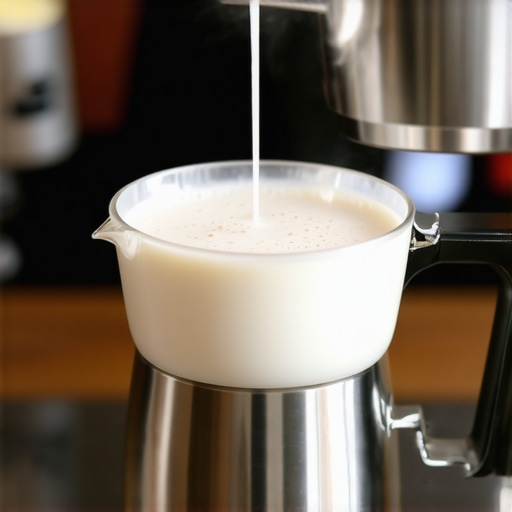
One of my favorite tricks is to start with cold milk and use a slow, steady steam. I also tilt the pitcher slightly and keep the steam wand just below the surface of the milk to introduce tiny air bubbles. As I steam, I listen for a hissing sound—indicating the milk is heating evenly. After steaming, I gently tap and swirl the pitcher to eliminate larger bubbles. Over time, I learned that consistent practice is key to mastering this technique.
Am I Doing It Right? How Can I Tell If My Microfoam Is Perfect?
This is a common question among coffee enthusiasts. The best way to tell is by the texture and glossiness of the milk. It should feel smooth and velvety, not frothy or bubbly. When poured, it should create a beautiful, glossy surface suitable for latte art. If you’re unsure, try watching tutorials or joining online coffee communities to get feedback. Remember, even experienced baristas keep experimenting—perfection comes with patience.
If you’re serious about elevating your coffee craft, I highly recommend exploring more expert tips at this resource. And don’t forget to share your experiences or ask questions—after all, we’re all learning together!
Are You Unlocking the Full Potential of Your Milk Frother?
Many coffee enthusiasts focus on brewing the perfect espresso but overlook the critical role of microfoam in elevating their coffee experience. Achieving silky, stable microfoam requires precise technique, understanding of milk properties, and the right equipment. By mastering these aspects, you can create stunning latte art and enjoy a richer flavor profile. For in-depth guidance, explore this comprehensive resource.
How Do Different Milk Types Influence Microfoam Quality?
The choice of milk significantly impacts the texture and stability of microfoam. Whole milk, with its higher fat content, tends to produce creamier, more resilient foam, ideal for latte art. Meanwhile, skim milk creates lighter, frothier microfoam but may lack the richness desired for some coffee styles. Plant-based options like oat or almond milk are gaining popularity, but they require specific adjustments to steaming techniques due to their different protein structures. To optimize your milk selection, consider experimenting with various types and consulting these expert tips.
What Techniques Do Top Baristas Use to Achieve Consistent Microfoam?
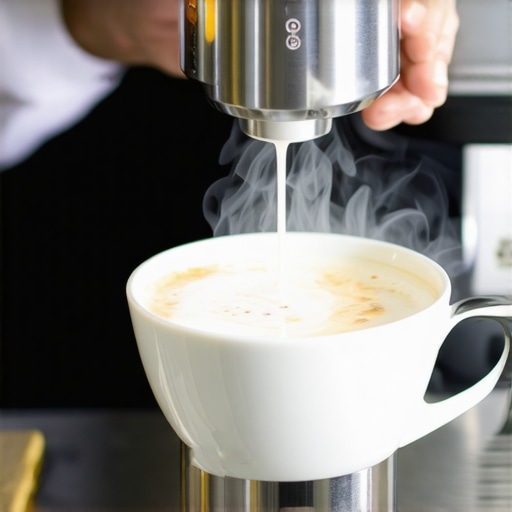
Professional baristas employ a combination of precise steaming control, pitcher positioning, and milk temperature management. They often start with cold, fresh milk and steam at an optimal temperature of around 140°F (60°C) to prevent overheating and preserve the milk’s natural sweetness and texture. The angle of the steam wand and the pitcher’s tilt influence how air is incorporated, creating tiny bubbles that form microfoam. Maintaining a steady hand and listening for the hissing sound during steaming are signs of proper technique. For detailed, step-by-step methods, check out this expert guide.
To improve your microfoam consistency, consider practicing with different steaming techniques and milk types. Remember, patience and repetition are essential—expert baristas often spend years refining these skills. Want to delve deeper? Discover advanced tips in this detailed guide.
Can Microfoam Be Too Frothy or Overly Dense?
Absolutely. Microfoam should be velvety, smooth, and glossy—not bubbly or overly thick. Oversteaming can cause the milk to become grainy, losing its silky texture, and can even scald the milk, impairing flavor. Conversely, under-steaming results in thin, watery microfoam that cannot hold latte art designs. Achieving the right balance involves monitoring temperature, consistency, and the sound of the steam wand. An optimal microfoam will pour smoothly and hold its shape, allowing for intricate latte art. For troubleshooting common issues, consult this expert resource.
Beyond the Basics: Embracing the Nuances of Microfoam
As I delved deeper into the art of milk frothing, I realized that microfoam isn’t just about technique—it’s an evolving journey of understanding milk’s intricate properties. Different milk types, even within the same category, can behave uniquely depending on age, temperature, and even the ambient humidity. For instance, ultra-pasteurized milk often requires adjustments in steaming approach because its proteins have been altered, affecting foam stability. Experimenting with these variables transformed my approach from a routine task to a mindful craft, echoing the sentiments of seasoned baristas who view frothing as a form of artistry rather than mere technique.
Refining Technique: The Dance of Temperature, Texture, and Time
One of my revelations was the importance of timing during steaming. Keeping the milk at precisely 140°F (60°C) isn’t just about safety; it’s about achieving a harmonious balance where proteins and fats create that elusive velvety texture. I started using a digital thermometer not just as a tool, but as a mentor guiding my hand. The subtle shift from gentle swirling to a more vigorous swirl after steaming helped me achieve clingy, glossy microfoam that holds latte art beautifully. This process, refined over countless cups, taught me patience and precision—traits that define the craft of expert baristas.
Can Microfoam Be a Reflection of Personal Style and Technique?
Absolutely. Over time, I found that my microfoam began to reflect not just technical mastery but a personal style—whether I preferred a thicker, more resilient foam for intricate latte art or a lighter, airy microfoam for a more delicate presentation. This personalization is echoed in the insights of top baristas, who often adapt standard techniques to their unique environment and preferences. For example, some favor a slightly higher pitcher tilt to incorporate more air, creating a microfoam with a softer, cloud-like consistency. Exploring these nuances has made me more confident in experimenting and developing my signature style, which I encourage others to pursue by exploring advanced frothing tips.
How Do I Troubleshoot Persistent Microfoam Issues?
Persistent issues like large bubbles or uneven texture often stem from overlooked details. For instance, the cleanliness of the steam wand plays a critical role—residual milk residue can disrupt the formation of microfoam. I now regularly purge my wand before steaming, ensuring a clean, unobstructed flow. Additionally, the temperature profile of the milk can be uneven if the steaming pitcher isn’t positioned correctly or if the steam wand is too deep or too shallow. I’ve learned to listen carefully—an experienced barista’s ear can detect when the milk is heating evenly or when adjustments are needed. For those facing stubborn challenges, I recommend reviewing this comprehensive troubleshooting guide.
Exploring the Impact of Environmental Factors on Microfoam
One often overlooked aspect is the environment where you steam your milk. Humidity, room temperature, and even the altitude can subtly influence the steaming process. I noticed that in humid climates, milk tends to foam more quickly and can be harder to control, requiring slight modifications in technique. Conversely, in dry, cooler environments, I had to extend steaming time marginally to reach the ideal temperature. Recognizing these factors has made me more adaptable, turning what was once a source of frustration into an opportunity for mastery. For those interested, exploring this detailed guide can provide deeper insights into environmental adaptations.
Encouraging Personal Reflection and Sharing Your Journey
Mastering microfoam is as much about personal growth as it is technical skill. I invite you to reflect on your own experiences—what challenges have you faced, and how have you overcome them? Sharing your journey not only fosters community but also opens avenues for collective learning. Whether you prefer experimenting at dawn with quiet focus or refining techniques in the evening glow, each moment adds to your unique story. Feel free to comment or reach out via our contact page, and let’s continue this journey together. Remember, every cup of microfoam is an opportunity to learn, improve, and express your personal style in the art of coffee craft.
The Art of Microscopic Perfection: Elevating Your Milk Frothing Craft
In my ongoing journey to perfect the microfoam, I discovered that subtle adjustments can dramatically influence the final texture. The temperature stability during steaming, for instance, is paramount; even a degree or two can mean the difference between silky microfoam and a bubbly mess. I started using a high-precision digital thermometer, which became an extension of my sensory awareness, allowing me to fine-tune my technique with remarkable accuracy. This precision practice echoes the insights of coffee scientists like Barista Hustle, who emphasize the importance of temperature control in achieving consistent microfoam quality. By integrating this scientific approach into my routine, I found that I could reproduce ideal textures reliably, even under varying environmental conditions.
The Hidden Nuances That Define Microfoam Excellence
Beyond basic technique, I realized that the type of milk and its handling profoundly affect the microfoam’s character. Ultra-pasteurized milk, for example, often resists the formation of stable microfoam due to denatured proteins, requiring a more delicate steaming approach. Conversely, fresh, cold milk with high protein content tends to produce more resilient, glossy microfoam. I experimented with adding a pinch of salt or a drop of milk enhancer to see if it could improve stability, a tip occasionally shared by seasoned baristas. These small tweaks, combined with meticulous steaming, elevate the microfoam from merely good to extraordinary. For an in-depth exploration of these variables, I recommend reviewing this expert resource.
Can Advanced Techniques Overcome Common Microfoam Challenges?
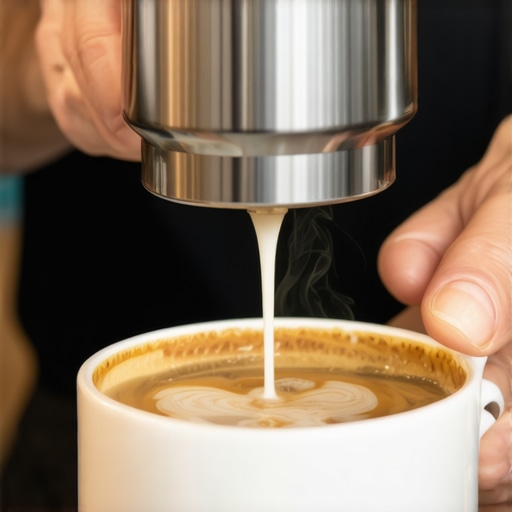
Absolutely. Techniques such as angling the pitcher at a precise 45-degree during steaming, or employing a ‘stretch and roll’ method, can resolve issues like large bubbles or uneven microfoam. These methods require patience and repetition but yield consistently better results. I also found that pre-warming my pitcher and ensuring the milk’s surface remains undisturbed during initial steaming phases helps maintain microfoam integrity. For those eager to push their skills further, exploring advanced frothing tips can unlock new possibilities, transforming simple microfoam into a canvas for artistic expression.
Incorporating environmental factors such as room humidity and altitude into your practice can make a surprising difference. For instance, at higher altitudes, I noticed that milk foamed more quickly but required gentle handling to prevent over-aeration. Adjusting my technique based on these subtle cues has made my microfoam more consistent and resilient. Recognizing these nuances aligns with the insights shared by expert baristas who adapt their approach based on environmental context, ensuring that their microfoam remains flawless regardless of external conditions. To deepen your understanding, explore this comprehensive guide.
Personal Reflection and Continuous Refinement
The process of mastering microfoam is a dynamic interplay between science and artistry. Every steaming session offers a new opportunity to refine my technique, experiment with different milk brands, and adapt to environmental shifts. I encourage fellow coffee enthusiasts to document their observations and share their experiences—this reflective practice accelerates growth. Engaging with online communities or attending barista workshops can provide fresh perspectives and inspire innovation. Remember, microfoam is not just a technical skill; it’s a personal expression, a signature of your evolving craft. If you’re eager to elevate your expertise further, I invite you to explore this advanced guide and join the journey toward coffee mastery.
Things I Wish I Knew Earlier (or You Might Find Surprising)
Patience is Key
Early on, I underestimated how crucial patience is when steaming milk. Rushing often led to uneven microfoam and frustration. Taking my time and focusing on each step transformed my results entirely.
Milk Temperature Matters More Than You Think
Getting the milk to the right temperature—around 140°F (60°C)—made a huge difference. Too hot and the microfoam loses its silky texture; too cold and it won’t foam properly. Using a thermometer was a game changer for me.
The Angle of the Steam Wand Can Make or Break Your Microfoam
Adjusting the angle of the steam wand and the pitcher tilt allowed me to control how air is incorporated. Small tweaks here improved my microfoam’s consistency remarkably.
Different Milks Require Different Techniques
Experimenting with various milk types, like whole, skim, or plant-based options, revealed that each behaves uniquely. Finding the right technique for each milk improved my microfoam quality.
Cleanliness and Maintenance are Crucial
Keeping the steam wand clean and free of residue prevents unwanted bubbles and ensures smooth microfoam. Regular maintenance became a vital part of my routine.
Resources I’ve Come to Trust Over Time
- Barista Hustle: Their detailed guides on steaming techniques provided scientific insights that elevated my practice. I recommend it for anyone serious about mastering microfoam.
- Sprudge: This coffee publication offers expert opinions and latest trends in coffee craft, keeping me inspired and informed.
- Espresso Tech Guide: Their tutorials on milk frothing and latte art are practical and easy to follow, making complex techniques accessible.
Parting Thoughts from My Perspective
Mastering microfoam is a journey of both science and artistry. It’s about understanding the subtle nuances of milk and technique, and developing your personal style. I’ve found that continuous practice, patience, and curiosity are key to improvement. If this resonates with you, I’d love to hear your thoughts or experiences. Sharing our journeys helps us all grow and learn. Feel free to comment or reach out through our contact page. Remember, every cup of microfoam you craft is a step closer to coffee mastery and personal expression in every sip.
Reading through this guide really brought back my own initial struggles with microfoam. I vividly remember the frustration of inconsistent texture, especially when trying to get that perfect glossy finish for latte art. What finally made a difference for me was paying close attention to the angle of the steam wand and constantly practicing patience—sometimes for just a few seconds longer made all the difference in smoothing out bubbles. I also experimented with different milk types; I found that fresher, cold milk tends to give me better results, especially with plant-based options which require a more delicate touch. Has anyone else noticed a significant difference when adjusting their steaming technique based on milk freshness or type? I’d love to hear what small tweaks have helped others refine their microfoam experience.
Reading this post really resonates with my journey to master microfoam. I remember my early days, trying different pitchers and steam wands, feeling overwhelmed by the technicalities. What helped me improve was paying close attention to the milk temperature and staying patient through the steaming process. I found that using a digital thermometer and going slow made a huge difference. I also started experimenting with different milk types, particularly noticing that oat milk produced a wonderfully velvety microfoam, although it required a slightly different technique. This led me to appreciate how much environmental factors—like room temperature and humidity—affect the steaming process as well. Has anyone noticed particular milk brands or environmental conditions that significantly impact their microfoam quality? I think understanding these subtle variables can really elevate our craft, especially when striving for that perfect latte art.
Reading this article really struck a chord with me, especially the emphasis on patience and technique refinement. When I first started experimenting with steaming milk, I found that even slight changes in technique could make a huge difference in microfoam quality. One thing I discovered is that fresh, cold milk almost always produces better, more stable microfoam compared to older milk. Additionally, I noticed that the ambient humidity and temperature in my kitchen influence how the milk behaves—on humid days, I sometimes need to adjust my steaming time or angle for consistent results. Practicing with a thermometer was a game changer for me; it took the guesswork out of reaching that ideal 140°F temperature. I wonder, have other coffee enthusiasts noticed environmental factors like altitude or humidity affecting their steaming? I’d be interested to hear how others adapt their technique under different conditions.
This post really highlights how much finesse is involved in creating the perfect microfoam! I can relate to the importance of slowly steaming milk and listening for that subtle hiss—those small cues are telling me so much about when to stop. I’ve found that starting with very cold milk and gently tilting the pitcher helps me get that smooth, velvety texture. I’ve also experimented with different milk brands; some ultra-pasteurized milks are trickier because their proteins don’t froth as well, which is a good reminder that milk quality and freshness matter a lot. In my experience, adjusting the steaming duration and maintaining a steady hand really improved my microfoam. Do others notice a significant difference when they use different types or brands of milk? I’d love to hear what has worked best for different situations, especially in varying climates or altitude.
Reading through this detailed post really resonated with my own journey into perfecting microfoam. What I found particularly helpful was practicing with different milk temperatures and paying close attention to the sound of the steam wand—those subtle hissing cues really guided my technique improvement. I also started experimenting with alternative milk types like oat milk, which tends to require a gentler touch and slightly different steaming times due to its protein structure. Over time, I realized that environmental factors, especially ambient humidity, can significantly influence microfoam quality. I wonder, how do others here adjust their techniques when steaming in different climates or altitudes? Personally, I’ve had success by slightly lowering the steam pressure and being extra attentive to the milk’s initial temperature. It’s fascinating how even small environmental tweaks can lead to noticeably better microfoam consistency. Would love to hear if anyone else has developed specific adjustments for such conditions.