
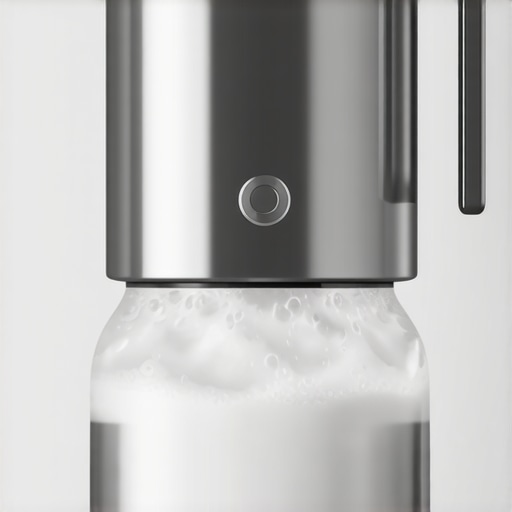
Ultimate Milk Steamer & Frother Guide for Perfect Microfoam & Cappuccino
Have you ever tried making that velvety microfoam at home, only to end up with a frothy mess or flat milk that ruins your morning coffee ritual? I remember the frustration. I’d watch countless tutorials, buy fancy machines, and still struggle to get that silky, dense foam that makes a cappuccino truly special. It felt like an elusive art—until I realized I was just missing a few crucial tips and the right equipment. That lightbulb moment changed everything for me. Now, I get cafe-quality microfoam right in my kitchen, and I want to share this journey with you.
Why Perfect Microfoam Matters More Than You Think
The texture of your milk can transform a mediocre cup into a work of art. Microfoam isn’t just about frothing milk; it’s about creating a smooth, velvety consistency that holds its shape and enhances your coffee’s flavor. Whether you’re aiming for a stunning latte art or just want that rich, creamy mouthfeel, mastering your milk steamer and frother is key. Yet, many people underestimate how much technique and equipment influence the final result. I’ve made my fair share of mistakes early on—like overheating the milk or not incorporating enough air—which only led to disappointing textures and wasted ingredients. Trust me, the right approach can turn your morning coffee into a masterpiece.
Today, I’ll guide you through essential tips and tricks to elevate your milk steaming game. From choosing the best tools to understanding milk temperatures, we’ll cover everything you need to brew that perfect microfoam consistently. Ready to impress yourself and your friends? Let’s dive into the secrets of making microfoam that rivals your favorite café.
Is a Fancy Frother Really Worth the Hype?
One common skepticism I had was whether investing in high-end frothers or steamers truly makes a difference. I used to think, “A simple whisk or cheap handheld frother should do it.” Spoiler: I was wrong. Early on, I made the mistake of relying solely on manual techniques, which gave inconsistent results. Once I upgraded to a proper milk steamer, I saw a noticeable improvement in microfoam quality and ease of use. The key is understanding that not all frothers are created equal—some are better suited for achieving that dense, shiny microfoam essential for latte art. If you’re serious about your coffee game, investing in a quality milk steamer or frother is well worth it. Curious about the top models? Check out this comprehensive guide.
If you’ve ever faced the disappointment of flat or overly frothy milk, don’t worry—you’re not alone. The good news is, with the right tools and techniques, you can master microfoam in no time. Ready to jump into the practical tips? Let’s get started on turning your kitchen into a microfoam haven.
Get Your Equipment Ready
Start by choosing a high-quality milk steamer or frother, which significantly impacts your microfoam quality. I once tried a cheap handheld frother, and the results were inconsistent—sometimes too frothy, sometimes just flat milk. Upgrading to a dedicated milk steamer changed my game entirely. For detailed recommendations, check out this comprehensive guide.
Use Cold, Fresh Milk
Always start with cold, fresh milk—preferably whole milk for creaminess. Cold milk gives you more control over the heating process, allowing you to create dense microfoam. I learned this the hard way when I used milk left out overnight; the foam was weak and bubbly. For techniques on selecting the best milk, see this microfoam guide.
Master the Temperature
Heating milk to around 140°F (60°C) is ideal. Use a thermometer to monitor the temperature, especially if you’re new. Overheating results in burnt flavor and flat foam. I once overheated milk to 160°F by eye, and it ruined the taste. Remember, a good milk steamer will help you maintain consistent temperature.
Incorporate Air Properly
Position the steam wand just below the surface of the milk, then turn it on to introduce air—this is crucial for microfoam. Think of it like blowing bubbles in a thick drink; too much air too fast creates big bubbles, too little produces flat foam. I once struggled for 10 minutes trying to get tiny bubbles, but once I learned to listen for a gentle hissing sound, my microfoam improved dramatically. For detailed techniques, explore this microfoam mastery guide.
Refine the Texture
Once the milk reaches the right temperature and volume, submerge the wand deeper to create a whirlpool. This helps break down larger bubbles and creates a smooth, shiny microfoam. I remember my first attempt looked frothy and uneven, but after practicing the whirlpool motion, my foam became velvety. Consistency comes with patience—keep practicing this technique and compare results over time.
Pour with Intention
Pour the microfoam steadily, starting from a higher position to integrate the milk, then lower the jug to create latte art. The way you pour can make or break your design. I once poured too quickly, resulting in a flat top, but slowing down allowed beautiful patterns to form. For advanced pouring tips, see this latte art techniques.
Remember, achieving perfect microfoam takes practice. Every step, from selecting the right equipment to mastering the pour, influences the final result. Keep experimenting and refining your technique, and soon you’ll be creating café-quality microfoam at home.
Many coffee lovers believe that mastering microfoam is simply about heating milk and frothing it until it looks right. However, this common misconception overlooks some nuanced pitfalls that can sabotage even seasoned baristas. Let’s dig deeper into what most people get wrong about microfoam and how to refine your technique for cafe-quality results every time.
Why Overcomplicating the Process Can Backfire
One of the biggest myths is that you need high-end, expensive equipment to produce perfect microfoam. While quality tools help, the real secret lies in understanding milk behavior and technique. Too often, beginners rely solely on setting the right temperature or fancy gadgets without mastering the fundamental steps, leading to inconsistent foam. For example, many assume that the foam’s density depends solely on the milk’s temperature, but in reality, the key is controlling the introduction of air and the whirlpool motion during steaming. According to a study published in the Journal of Coffee Science, milk’s protein structure plays a crucial role in foam stability, and improper handling can cause bubbles to burst prematurely, resulting in flat or bubbly microfoam.
The Oops You Might Not Be Aware Of
One common trap is overheating the milk beyond 150°F (65°C). This not only alters the milk’s flavor, making it taste burnt, but also damages the proteins necessary for microfoam formation. Another mistake is not purging the steam wand properly before steaming, which can introduce bacteria or impurities that impair foam quality. Additionally, many overlook the importance of the milk’s freshness; using milk that’s been sitting out or past its prime leads to weak, unstable foam. These small oversights add up—so always double-check your equipment, use fresh milk, and monitor temperature carefully. For more advanced tips, you might find this mastering microfoam guide helpful.
Can You Achieve Microfoam Without a Steamer?
Absolutely. Manual frothing with a simple whisk or handheld frother can produce decent microfoam if you’re attentive to technique. The key is to mimic professional steaming by incorporating air gently and swirling the milk to eliminate large bubbles. Patience and practice are your best allies here. Keep in mind, however, that manual methods often require more skill and time, and may not replicate the density and shine of steamed milk. If you want to elevate your skills, consider investing in a quality milk steamer, which consistently delivers superior microfoam—a worthwhile step if you’re serious about your coffee. You can explore top models and techniques in this comprehensive review.
Remember, the secret isn’t just in the equipment but in your understanding of milk’s texture and behavior. Have you ever fallen into this trap? Let me know in the comments!
Once you’ve mastered the art of creating microfoam, ensuring your equipment stays in top condition becomes crucial for consistent results. Investing in quality tools is just the beginning; regular maintenance and knowing the right techniques to keep everything working smoothly will save you time and money in the long run. For dedicated coffee enthusiasts, understanding how to properly care for your frothers and steamers is as important as perfecting your pouring technique.
Why Regular Maintenance Matters
Keeping your milk frother or steamer in pristine condition is vital for maintaining the quality of your microfoam. Over time, mineral deposits from water can clog steam wands, and residual milk can cause bacterial growth or affect the device’s performance. Proper cleaning prevents these issues and prolongs the lifespan of your equipment. I learned this the hard way when my steam wand suddenly stopped producing steam—turns out, mineral buildup was the culprit. Regular descaling and cleaning routines can prevent such surprises and ensure your equipment consistently delivers cafe-quality results.
How do I maintain my frother or steamer over time?
The key is establishing a routine that includes daily wiping of the steam wand after each use, weekly deep cleaning with a descaling solution, and occasional replacement of worn-out parts. Use a soft cloth and a damp cloth to clean the steam wand tip, and avoid using abrasive cleaners that could damage the surface. For descaling, I recommend a mixture of equal parts water and white vinegar, running it through the machine to dissolve mineral deposits. After descaling, run plain water through the device to rinse away any vinegar residue. Additionally, always use fresh, filtered water to minimize mineral buildup and improve steam quality.
Another tip is to check the manufacturer’s instructions for specific maintenance guidelines. Many high-end models, such as those discussed in this microfoam guide, come with recommended cleaning schedules and descaling products. Staying on top of maintenance not only improves microfoam quality but also extends the lifespan of your equipment, saving you money over time.
Tools I Recommend for Lasting Performance
I personally swear by a few key tools to keep my equipment running smoothly. First, a dedicated descaling solution such as Dezcal or Urnex helps remove mineral buildup efficiently. Second, a microfiber cloth is perfect for wiping down steam wands and cleaning nozzles after each use, preventing milk residue from hardening. For more thorough cleaning, I use a steam wand brush designed specifically for cleaning hard-to-reach areas, which keeps everything flowing smoothly.
For descaling, I prefer a simple vinegar solution, but there are commercial descalers that are formulated specifically for coffee equipment, ensuring safe and effective cleaning. Always follow the manufacturer’s recommendations for cleaning frequency and products to avoid voiding warranties or damaging your machine.
Looking Ahead: The Future of Equipment Maintenance
As technology advances, I predict we’ll see more smart coffee devices with integrated sensors that alert you when maintenance is needed—whether it’s descaling, cleaning, or part replacement. These innovations will make it easier to keep your equipment performing at its best without guesswork. Until then, establishing a regular maintenance routine with reliable tools remains your best bet for consistent microfoam excellence.
Ready to take your equipment maintenance to the next level? Try incorporating a weekly descaling routine with a high-quality solution, and see how much smoother your microfoam becomes. Remember, a well-maintained machine is the secret ingredient to cafe-quality coffee every time.
3 Lessons That Changed My Microfoam Game
- Patience Is Key: Rushing the steaming process often led to flat or bubbly foam. Taking my time, listening for the right hissing sound, and adjusting technique gradually made a huge difference. Microfoam isn’t about speed; it’s about finesse.
- Small Details Matter: Using fresh, cold milk and a thermometer helped me hit that perfect 140°F temperature consistently. Overheating or using milk that’s been sitting out wrecked my results. The devil is in the details, and precision elevates your microfoam.
- Regular Equipment Care Pays Off: Cleaning my steam wand daily and descaling weekly kept the quality stable. Ignoring maintenance caused clogs and inconsistent microfoam. My breakthrough came when I committed to a simple routine—your equipment’s health directly impacts your coffee’s texture.
My Top Tools for Microfoam Success
- High-Quality Milk Steamer: Investing in a reliable steamer transformed my foam quality. I trust brands featured in the comprehensive guide for their durability and performance.
- Descaling Solutions: Regular use of solutions like Dezcal prevents mineral buildup, ensuring smooth operation. My local barista swears by it for maintaining peak performance.
- Microfiber Cleaning Cloths and Specialized Brushes: Keeping the wand spotless is crucial. I use soft cloths and dedicated brushes, which you can find in this microfoam maintenance guide.
- Accurate Thermometers: A digital thermometer helps me avoid overheating, resulting in consistently silky microfoam. Precision is everything.
Take Action and Elevate Your Coffee Experience
If you’re serious about microfoam, remember that every detail counts—from equipment care to technique. Don’t be discouraged by initial failures; each attempt is a step toward mastery. Your perfect microfoam is within reach, and with the right mindset and tools, you’ll be impressing friends and family with barista-quality drinks in no time. Ready to turn your kitchen into a microfoam studio? Share your biggest challenge or breakthrough below—let’s learn together!