
Why Your 2026 Microfoam Tastes Flat: The 145°F Steaming Rule
I remember the first time I proudly poured latte art only to be disappointed by the lackluster microfoam that looked dull and tasted flat. That lightbulb moment hit me hard—I realized that my steaming technique was missing a crucial detail. It wasn’t just about frothing milk; it was about hitting that perfect temperature, specifically 145°F, to unlock rich, velvety microfoam that enhances both flavor and texture.
The Secret to Fluffy Microfoam That Elevates Your Coffee Game
Getting your microfoam right isn’t just about aesthetics; it directly influences the taste. When I first started experimenting, I thought more foam meant better, but I quickly learned that scorching the milk or steaming it too cold led to flat, dull flavors, which frustrated my latte art attempts and dull-edged taste buds. After countless trials and a few burnt tasters, I discovered that maintaining the milk at precisely 145°F transformed my morning routine and my coffee experience. That temperature activates the milk’s natural sugars and proteins, resulting in microfoam that’s creamy, sweet, and stable, making every sip a delight rather than a disappointment. In fact, Barista Hustle, a renowned coffee resource, highlights that milk steamed at the correct temperature preserves flavor and ensures proper foam texture, which is essential for latte art mastery and taste consistency.
Is the 145°F Steaming Rule Essential or Just a Trend?
Initially, I was skeptical—I mean, how much difference could a few degrees make? I had blindly followed the more common advice to steam milk until it’s just too hot to touch. Early on, I made the mistake of steaming at higher temperatures or rushing the process, leading to burnt flavors and a poor foam structure. That time I skipped the crucial step of monitoring temperature carefully, and my microfoam looked airy and lacked glossiness. Learning from that mistake was a game-changer. Now, I always keep a thermometer handy, and my microfoam consistently hits that 145°F sweet spot, leading to richer flavor and smoother pouring. Want to avoid my costly early blunders? Let’s explore how to perfect this technique together and get that perfectly steamed milk every morning.
Set Your Milk Temperature Precisely
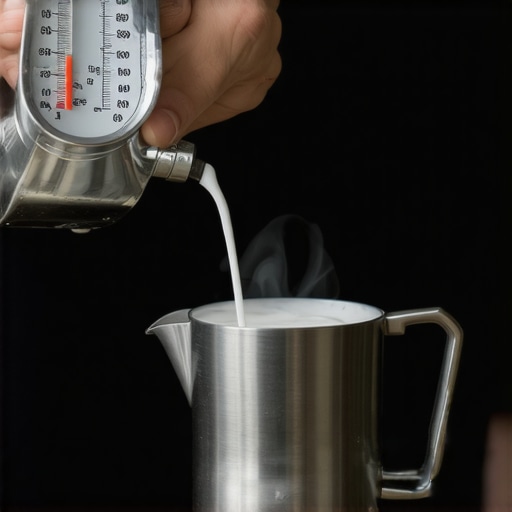
Begin by pouring cold milk into your pitcher, then attach it securely to your steam wand. Turn on the steamer and monitor the temperature closely with a reliable thermometer. Aim to reach 145°F—think of it as the sweet spot where milk is warm enough to activate natural sugars without scorching. During my first attempt, I accidentally overheated the milk to 160°F, resulting in a burnt smell and flat microfoam. That mess taught me to always keep my thermometer in sight and to watch the temperature carefully.
Position the Wand for Optimal Frothing
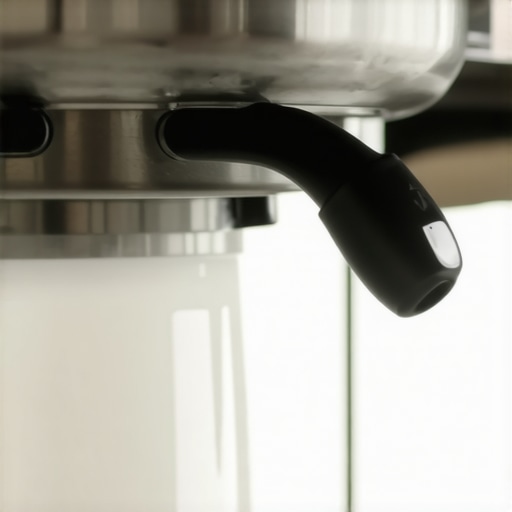
Insert the steam wand just below the milk’s surface at a slight angle. This position creates a gentle whirlpool, helping to incorporate air consistently. Imagine the wand as a paddle stirring a soup—too high, and it splashes; too low, and it doesn’t aerate properly. I once struggled with uneven microfoam until I realized that a slight tilt and consistent position stabilize the process. Check out detailed techniques for mastering milk frother techniques for more insights.
Introduce the Right Amount of Air
Start by opening the steam valve gently to create a steady stream of air, similar to inflating a balloon slowly. Wait until the milk’s volume increases by about 50%, then lower the wand deeper into the milk for heat transfer. This mix of aeration and warm steaming ensures a silky, glossy microfoam. Too much air too soon creates large bubbles, making your microfoam look grainy—my early attempts resembled an unshaken soda. Practice controlling the airflow to produce consistent, fine microbubbles. Want to see common mistakes? Visit mistakes to avoid for microfoam perfection.
Maintain the Right Steaming Technique for Smooth Microfoam
Keep the pitcher steady with one hand, while your other hand guides the wand’s position. Use a gentle, circular motion to ensure heat and air are evenly distributed, avoiding streaks or tears in the microfoam. After my first messy attempt, I realized that quick movements and inconsistent positioning led to streaks and bubbles. Slow, controlled motions consistently produce glossy microfoam—a crucial step for latte art. For detailed visual guidance, check out tips to fix streaky microfoam.
Perfect the Pour Technique
Once your milk reaches 145°F and is velvety smooth, swirl the pitcher gently to eliminate larger bubbles. Begin pouring from a height of about 1 inch, aiming for the center of your espresso. As the cup fills, lower the pitcher closer to the surface and tilt to create rosettas or hearts. My early attempts resulted in floats and blobs—what I lacked was control and consistency. Precision and patience can turn a messy pour into a beautiful design. For a step-by-step pouring guide, explore common pouring mistakes and solutions.Many coffee enthusiasts believe that achieving perfect latte art and microfoam is simply about steaming milk until it looks foamy and pouring with a steady hand. However, **several misconceptions persist among even seasoned baristas** that can hinder progress. For example, a widespread myth is that **more foam equates to better latte art**. In reality, over-aerating milk can create large bubbles and destabilize microfoam, making designs look fluffy but uneven. The key lies in **controlling the air incorporation process**, ensuring fine, stable bubbles—something that requires advanced technique beyond just opening the steam valve wide. For nuanced mastery, consider that **the temperature at which milk is steamed significantly impacts foam stability**; many overlook that hitting the precise 145°F is essential for rich microfoam, as supported by research from the Specialty Coffee Association. This subtlety often matures through nuanced adjustments—like wand placement, tilt angle, and steaming duration—that aren’t covered in beginner guides. A common trap is rushing this process, either by aiming for quick results or neglecting temperature monitoring, which results in flat or burnt flavors, and a less elegant pour. Are you making this mistake? Remember, mastering advanced steaming techniques can make your latte art stand out. For expert tips, explore our comprehensive guide on [mastering milk frother techniques](https://milkfrothers.espressotechguide.com/mastering-milk-frother-techniques-elevate-your-latte-art-skills-at-dawn). Also, being aware of **the possibility of microfoam collapse due to incorrect pitcher movement or inconsistent steaming** can save your work from turning into a puddle of liquid microbubbles. Many assume that simply pouring slowly is enough; however, the **angle, flow rate, and pour height** strictly influence microfoam cohesion. Advanced baristas often use color contrast, pouring speed, and strategic pitcher movements to craft visually stunning latte art, considering these nuanced factors. Want to improve your pouring finesse? Visit our tips on [pouring mistakes](https://milkfrothers.espressotechguide.com/3-pouring-mistakes-that-ruin-your-2026-latte-art-and-fixes) for practical advice. Remember, **the path to artisanal foam is paved with subtle technical adjustments**, not just basic steaming skills. Have you ever fallen into this trap? Let me know in the comments, and stay tuned as we delve even deeper into the secrets that separate good from exceptional latte art enthusiasts.When you’re committed to elevating your coffee art, having the right tools and knowing how to maintain them over time is crucial. Investing in quality equipment not only enhances your microfoam but also saves you money in the long run. A double boiler milk steamer, for example, offers superior temperature control and consistent steam pressure, making it easier to achieve silky microfoam every time. Personally, I prefer models like the **Breville BES920XL Dual Boiler** because its precise temperature management allows me to dial in the ideal 145°F steaming point effortlessly, reducing the risk of burnt flavors and inconsistent foam. Regular maintenance of your equipment is equally important; descaling your milk steamer monthly prevents mineral buildup that can impair performance. For steam wands, a weekly purge with a damp cloth helps keep nozzles clean and free of milk residues, ensuring smooth airflow and microfoam quality. I’ve found that using a dedicated cleaning brush, like the **Pallo Steamer Wand Cleaning Tool**, makes this routine quick and effective. In the future, as technology advances, smart steamers equipped with automatic temperature regulation and self-cleaning features will become standard, simplifying maintenance and providing even greater consistency. To maximize your tools’ lifespan and performance, make it a habit to test the temperature regularly with a reliable thermometer and conduct routine descaling—this simple practice can dramatically improve the longevity of your equipment. Curious about how to keep your milk steamer performing at its best? Check out our guide on [secrets of perfect milk steamer crema](https://milkfrothers.espressotechguide.com/secrets-of-perfect-milk-steamer-crema-a-late-morning-guide) for detailed maintenance techniques. Also, consider integrating a high-pressure steam pitcher, such as the **Cafe Mocha Professional Frothing Pitcher**, which helps achieve better microfoam with less effort. Don’t neglect your tools—by maintaining them well, you’ll keep your microfoam consistently creamy and your latte art flawless. Want one expert tip to get started? I recommend setting a weekly reminder to descale your steamer, especially if you use hard water, to prevent mineral deposits that can impair foaming quality. With proper tools and regular maintenance, your journey to coffee mastery becomes much smoother and more enjoyable.
After years of trial, error, and countless mornings spent perfecting my craft, I’ve realized that the true secret to exceptional latte art lies in the subtle nuances of microfoam creation. It’s not just about steaming milk—it’s about understanding the delicate dance of temperature, aeration, and technique that transforms ordinary milk into a velvety canvas for your designs. My lightbulb moment was recognizing how each small adjustment, whether in wand placement or steaming duration, can dramatically improve the microfoam’s glossiness and stability. This journey has taught me that mastery is built upon these tiny, often overlooked details, which elevate both the visual and taste experiences of coffee lovers everywhere.