
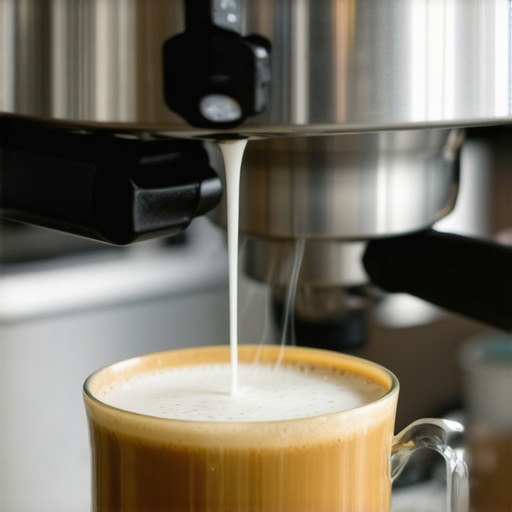
Why Your Latte Art Still Bubbles: 5 Fixes for 2026
Ever stared at that beautiful pour of steamed milk, only to see it break apart into a bubbly mess? I remember countless mornings where my hopes for a perfect leaf or heart melted under a cascade of stubborn bubbles. It was frustrating—like trying to paint with water and expecting a masterpiece. That lightbulb moment came when I realized that my milk wasn’t just foam; it was a tiny battlefield of microbubbles fighting against my aspirations.
Why Microbubbles Sabotage Your Latte Art
Understanding what causes those pesky bubbles is crucial. Microbubbles are tiny air pockets that form during steaming—if they are large or numerous, they disrupt the smooth surface needed for that stunning latte art. Early on, I made a classic mistake: rushing the steaming process without paying attention to pressure and temperature controls. Little did I know, these simple oversights could ruin even the most talented pour. Did you know that according to Espresso Tech Guide, proper milk steaming can increase microfoam quality, directly impacting latte art success? So, if your art still bubbles despite your skills, there’s a good chance your milk prep needs a tune-up. But don’t worry—today, we’re diving into five fixes to turn those bubbly disasters into smooth, silky microfoam your latte deserves. Ready to transform your mornings? Let’s get started.
Warm Up Correctly
Begin by ensuring your milk is at the right temperature, around 140°F (60°C). Too hot, and the proteins break down, causing excessive bubbles; too cold, and the microfoam won’t develop properly. Use a reliable thermometer and avoid rushing the process. I once tried to steam cold milk without checking temperature, resulting in large bubbles and a lumpy texture. Consistent heating is key. For detailed temperature control tips, see our microfoam guide.
Position the Steam Wand Thoughtfully
Place the steam wand just below the surface of the milk, at a slight angle, so it introduces air gradually. Imagine gently rolling a small wave; if you plunge too deep, you won’t incorporate enough air, and if you keep the tip floating on the surface, you might create large bubbles. Adjust the wand’s depth to achieve a steady, soft hissing sound. This method helped me when my first attempts resulted in large bubbles—by lowering the wand, I controlled bubble size and consistency.
Create a Vortex for Consistent Microfoam
Once you’ve introduced enough air (a few seconds of hissing), submerge the wand deeper to spin the milk into a vortex. Think of it as stirring a thick batter; this motion shears big bubbles into tiny ones. Keep the pitcher tilted slightly to encourage whirlpool formation. During my practice, I noticed that maintaining a steady spin produced the smoothest, satin-like microfoam, perfect for latte art. Remember, the key is to keep the tip just below the surface during aeration, then sink it deeper to finish the foam.
Control Steaming Duration and Pressure
Timely control is vital. Typically, 20-30 seconds of steaming suffices. Overdoing it risks scalding the milk or disrupting the microstructure. Use your hand on the pitcher to feel when the milk reaches the right temperature—it’s a subtle but effective cue. I once tried rushing through steaming, which caused uneven microfoam with larger bubbles—slowing down gave me control over the process and improved microbubble size.
Polish the Foam Before Pours
Once steaming concludes, sharply tap the pitcher to break any larger bubbles trapped near the surface. Swirl gently to integrate the foam into a glossy, uniform texture. This step refines the microfoam, making it ideal for latte art. Early on, I neglected this step, ending with frothy blobs. Now, I always spend a few seconds polishing the foam; it makes a visible difference in the final design.
Practice Pouring Techniques to Elevate Your Art
Finally, the way you pour significantly affects latte art’s quality. Start with a high pour to fill the cup, then lower the pitcher for intricate patterns. Visualize your pour as guiding the microfoam to craft shapes—think of it like painting with a fine brush. Regular practice and experimentation with pouring angles and speeds will sharpen your skills, turning bubbly microfoam into works of art.
For more advanced tips, explore our latte art techniques and learn how professional baristas perfect their craft. Remember, mastery comes with patience and consistent practice—so keep experimenting and refining your approach until each cup turns out picture-perfect.
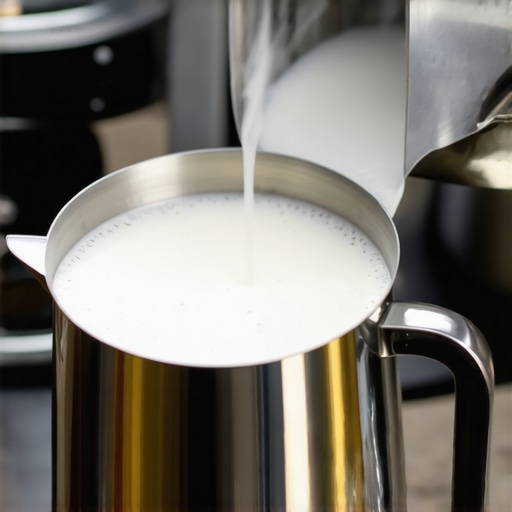
While many coffee enthusiasts assume that creating perfect microfoam and latte art is mostly about technique, there’s a nuanced layer of knowledge that often gets overlooked. A widespread misconception is that all milk frothers or steamers produce the same quality of microfoam, but in reality, subtle factors like foam stability, protein content, and temperature control play crucial roles. For example, some assume that higher pressure always results in better foam, yet excessive pressure can actually rupture delicate proteins in milk, leading to larger bubbles and creamier textures—not the smooth microfoam needed for intricate latte art. This misconception can trap even seasoned baristas into over-reliance on equipment, neglecting the importance of understanding how to manipulate steaming parameters for optimal results.
Why do some microfoams collapse quickly, and can I fix it?
This is a question I often encounter among advanced baristas. The answer lies in the milk’s protein structure and temperature — if the milk is steamed too warm or the proteins aren’t properly denatured, the foam becomes unstable and collapses. According to research published in the Espresso Tech Guide, precise control over steaming temperature, ideally around 140°F (60°C), helps maintain foam stability by preserving protein integrity. This nuance is crucial—many overlook the importance of maintaining a consistent temperature and end up with microfoam that looks fine but doesn’t hold its shape for long.
Another common trap is the belief that the milk’s fat content is irrelevant. In fact, milk with higher fat (like whole milk) often creates creamier, more stable microfoam, whereas non-dairy options sometimes pose unique challenges. For instance, oat milk may require specific steaming hacks to produce comparable foam, as outlined in our oat milk steaming guide. Experimenting with different milk types and understanding their chemical properties can elevate your foam quality significantly. Keep in mind that creating professional-grade microfoam isn’t just about equipment but about mastering these finer details.
Let me warn you: rushing the steaming process or ignoring the importance of proper texturing can ruin your microfoam despite using high-end frothers. The ‘Oops’ trap many fall into is overfilling the pitcher, which hampers the steam wand’s ability to create a vortex and integrate air evenly. Proper pitcher size relative to milk volume is key—aim for a maximum of ⅔ full. Also, neglecting regular cleaning and calibration of steamer tips can introduce inconsistencies. These seemingly small mistakes compound, resulting in microfoam that’s either too dry, too wet, or incorrectly textured, all of which compromise your latte art potential.
In summary, the artistry of microfoam involves a deep understanding of milk chemistry, equipment nuances, and precise technique. It’s an ongoing learning process—don’t assume that more pressure or higher wattage always equals better foam. Instead, focus on mastering temperature control, milk type, and texture refinement. For advanced tips, consider exploring our latte art techniques that push beyond basics. Remember, consistent practice and thoughtful experimentation are your best tools on this journey. Have you ever fallen into this trap? Let me know in the comments.
Keep Your Equipment in Top Shape for Consistently Velvety Microfoam
Owning high-quality coffee tools is just the beginning; regular maintenance ensures they continue delivering optimal results. For my espresso setup, I rely on a few specific items that help me maintain that cafe-quality microfoam. First, a dedicated steam wand cleaning brush is indispensable. After each session, I use it to clear milk residues, preventing scale buildup which can affect pressure and steam quality. I also keep a set of professional descaling tablets handy—descaling is vital, especially if you notice uneven steaming or inconsistent foam texture. My routine involves a monthly descaling cycle, following the manufacturer’s instructions, to prolong the lifespan of my steamer and maintain peak performance.
Beyond cleaning, monitoring the pressure and temperature settings of your milk steamer can make or break your microfoam. I personally trust the WDT (Weiss Distribution Technique) tool to break up milk clumps before steaming, resulting in more uniform, glossy microfoam. Using a thin needle or WDT tool to gently stir the milk before steaming reduces large bubbles and creates a smoother microstructure necessary for intricate latte art.
Investing in a digital thermometer ensures you reach that ideal 140°F (60°C) without guesswork. Overheating milk causes proteins to denature improperly, leading to unstable foam. I’ve learned this the hard way—once, I skipped the thermometer and ended up with a bubbly mess. Now, I keep a reliable probe—and I check frequently during steaming—to sustain consistent microfoam quality with each pour.
How do I maintain consistent microfoam over time?
Establishing a maintenance routine and understanding your equipment’s needs is critical. Regularly inspect and clean your steam wand and milk pitcher, replacing parts like rubber gaskets if they show signs of wear. Also, constantly calibrate your steam pressure if your machine allows—this ensures stable microbubble creation. As trends evolve, more advanced tools like smart steaming systems connected via apps are starting to appear, offering real-time feedback on pressure and temperature, further simplifying maintenance and consistent results.
Remember, the key is not just in buying the best tools but in maintaining them diligently. For a comprehensive approach, consider exploring our detailed microfoam mastery tips. Try incorporating a WDT tool and a digital thermometer into your routine—you’ll notice immediate improvements in microfoam quality and stability. Ready to elevate your craft? Small, consistent maintenance steps can make all the difference in your latte art journey.
What I Wish I Had Known About Microbubbles Early On
- One of the toughest lessons was realizing that microbubbles are not just incidental; they’re the barrier between a latte with beautiful art and a bubbly disaster. The secret to overcoming this was understanding the science behind foam stability—once I grasped how proteins denature at specific temperatures, my microfoam improved dramatically.
- I used to believe that more pressure in steaming meant better microfoam, but I learned that finesse and control trump brute force. Too much pressure tends to rupture delicate proteins, leading to large bubbles. Fine-tuning pressure and temperature with a good thermometer made all the difference.
- Another lesson was that equipment isn’t everything—regular maintenance like cleaning the steam wand and calibrating settings helps sustain microfoam quality over time. Maintenance became as essential as the technique itself.
Tools That Elevated My Coffee Craft
- For consistent results, I rely on a high-quality digital thermometer to monitor milk temperature precisely, ensuring I stay within that ideal 140°F zone for microbubble stability. This small investment paid off in microfoam consistency.
- A dedicated steam wand cleaning brush became my best friend, preventing buildup that could disrupt pressure and foam quality. Keeping equipment clean meant fewer surprises during steaming.
- The Weiss Distribution Technique (WDT) tool helps break up milk clumps before steaming, producing smoother, more uniform microfoam. I can’t recommend this enough for anyone serious about latte art.
- Lastly, I’ve come to trust specific guides and resources, like the [Espresso Tech Guide](https://milkfrothers.espressotechguide.com/secrets-of-perfect-milk-steamer-crema-a-late-morning-guide), which demystify complex concepts and offer actionable tips—turning theory into practice on my barista journey.
Seize Your Coffee Adventure Today
Remember, mastering microfoam isn’t just about the right equipment or techniques; it’s about growing an understanding of how each detail influences your latte art. Persistence, curiosity, and care will transform your mornings and bring new joy to your coffee routine. Don’t hesitate to experiment—each cup is a new opportunity to learn and impress. Are you ready to take your microfoam skills to the next level? Share your experiences or ask your questions below, and let’s elevate our coffee craft together!
Reading this post really resonated with my own journey in mastering latte art. I used to struggle immensely with microbubbles and the uneven foam that would ruin my designs. What finally made a difference for me was paying close attention to the steaming temperature—I always keep my milk right at 140°F using a reliable thermometer, as suggested here. Also, I found that tamping down any excess foam by gently tapping and swirling the pitcher smooths out the surface, making a big impact. My question is, how do others balance the need for a quick steam process with the precision required for perfect microfoam? Sometimes I feel pressured to rush, but I also want to maintain quality. Would love to hear tips from experienced baristas on handling this balance.