
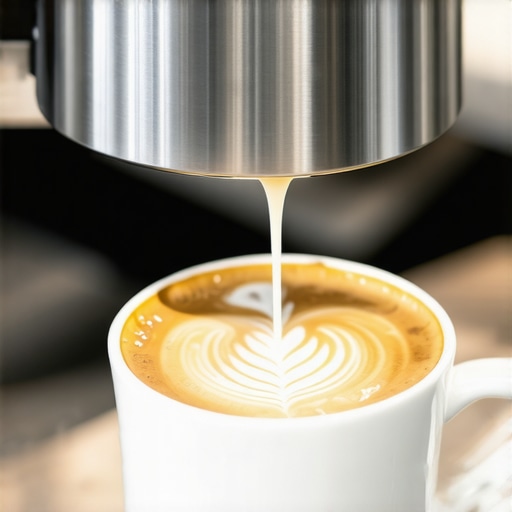
3 Tricks to Stop Your Latte Art From Sinking in 2026
Ever experienced that sinking feeling—literally—when your beautiful latte art collapses seconds after pouring? I remember the first time I tried creating that perfect rosette only to have my intricate pattern dissolve before my eyes. It was frustrating, and honestly, a bit embarrassing. That moment was a lightbulb for me: I needed to understand what causes latte art to sink and how to prevent it. Now, with a few simple tricks, I can enjoy stunning designs that stay intact right through my sip.
Why Your Latte Art Sinks and Why It Matters
Latte art isn’t just decorative; it’s a reflection of your barista skills and the quality of your microfoam. When microfoam collapses or sinks, it ruins the aesthetic and can even affect the flavor experience. My early attempts were marred by hurried steaming and using milk that wasn’t properly textured—mistakes that many beginners make. Did you know that producing stable microfoam requires precise control over steaming pressure and temperature? According to a 2024 guide on steaming techniques, mastering the art of milk microfoam is crucial for ensuring your latte art stays afloat and beautiful.
So, why does microfoam sink in the first place? It often comes down to how the milk is steamed and its composition. If the milk isn’t textured correctly, large bubbles or uneven microfoam can cause patterns to collapse. It’s a surprisingly delicate balance, but once you understand the principles, you can avoid sinking designs altogether.
If you’ve faced this problem too, you’re not alone. Many coffee enthusiasts struggle with sinking latte art at some stage. Luckily, the solution isn’t as elusive as it seems. In the upcoming sections, I’ll share three practical tricks that have helped me—and countless others—keep our latte art buoyant and lasting. Whether you’re crafting for friends or aiming to impress at the next barista contest, these tips will elevate your microfoam game. Ready to transform your latte artistry? Let’s dive into the key techniques that will make your designs stay put.
Perfect Your Milk Temperature First
A common cause of sinking latte art is milk that’s too hot or too cold. I once rushed to steam milk at 75°C, thinking it would save time, but the microfoam was unstable. To avoid that, aim for a steady temperature around 60-65°C, which promotes stable microfoam. Use a thermometer and monitor steam pressure carefully. Consistent temp ensures microfoam remains airy and buoyant, like setting the foundation for a sturdy balloon.
Control Your Steaming Technique
Think of your milk pitcher as a dance partner—you need harmony between the wand and the milk. Insert the steam wand just below the surface to introduce air with a gentle hissing sound, creating tiny bubbles. Then, submerge it deeper to heat uniformly. I found that maintaining a steady, gentle whirlpool motion during steaming helps break large bubbles into microbubbles. Practice this fine control; it’s like tuning a musical instrument for perfect pitch, crucial for microfoam stability.
Use the Right Milk Texture
Not all milk textures are equal. Whole milk generally produces richer, more stable microfoam, whereas plant-based alternatives can be trickier. When I switched from almond to whole milk, the difference was noticeable—I had fewer sinking issues. To achieve this, aim for a velvety, paint-like texture, not frothy or airy water. Consider referencing this guide for advanced tips on milk steaming, which breaks down the ideal microfoam properties in detail.
Master Your Pouring Technique
The way you pour directly impacts whether your latte art stays afloat. Start by pouring from a height to distribute the milk evenly, then lower the spout as you go to control flow. Imagine pouring as drawing—steady, consistent, confident strokes create better stability. During my first attempts at a rosette, I noticed that hesitant pouring caused the microfoam to collapse. Practice pouring in smooth, controlled movements, akin to gentle brush strokes, and always aim for a thin, steady stream to keep the design from sinking.
Avoid Overfilling the Cup
Overfilled cups leave little room for microfoam expansion, which can cause the foam to sink or spill. I once attempted a complex tulip design in a nearly full cup, only to see it dissolve quickly. Leaving about a quarter of space at the top allows the microfoam to set properly and helps maintain its buoyancy. Think of it as giving your latte room to breathe—a key factor in achieving floating, lasting designs.
Leverage Advanced Tools for Consistency
If you’re serious about microfoam quality, investing in a high-quality milk steamer can make a significant difference. Modern steamers offer precise control over temperature and pressure, reducing the guesswork. I personally upgraded after a struggle with uneven microfoam, and it paid off. To learn more about selecting the best equipment, explore this comprehensive guide. Remember, consistent results come from reliable tools paired with diligent technique, turning your latte art from fleeting to fabulous.While it’s common to believe that a good milk frother or steamer guarantees perfect microfoam, many seasoned enthusiasts overlook subtle nuances that critically impact the final latte art. For instance, a prevalent misconception is that higher steaming temperatures always produce richer foam. In reality, over-heating milk beyond 65°C can cause protein denaturation, leading to instability in microfoam and increasing the risk of collapse during pouring, as discussed in a recent expert analysis on steaming techniques. Mastering the precise control of temperature and pressure is essential for achieving microfoam that maintains its structure longer, enabling better artistry.
Another frequently misunderstood aspect is the role of milk composition. Many assume that plant-based milks are inherently unsuitable for latte art, but in fact, the key lies in choosing varieties with higher protein content—like soy or certain oat milks—and learning specific steaming adjustments. An advanced mistake involves the belief that microfoam quality depends solely on the milk type; actually, how you incorporate air during the initial phase of steaming significantly influences bubble size and uniformity. For optimal results, controlling the airflow to produce consistently tiny microbubbles is crucial, as outlined in the “Secrets of Perfect Milk Steamer Crema” guide.
A common trap that can catch even experienced baristas is relying solely on automatic or smart steamers. While these devices offer convenience, they may lack the manual finesse needed to fine-tune foam stability. Over-reliance on automation can lead to microfoam that is either too airy or too dense, risking collapse during the pour. For those seeking precision, understanding the mechanics behind creating stable microfoam—such as adjusting steam wand angle and positioning—remains irreplaceable. I highly recommend exploring in-depth techniques available in our comprehensive “Mastering Milk Frother Techniques” series, which emphasizes skillful manual control.
Now, for the more advanced question: How does understanding the protein structure in different milk types influence microfoam longevity and latte art durability? Recent studies highlight that proteins like casein and whey play distinct roles during steaming. Properly denaturing these proteins through precise temperature and agitation stabilizes microbubble formation, directly impacting foam stability. For a thorough exploration of this topic, you might find the detailed explanation in the “Ultimate Microfoam Tips for Perfect Lattes 2024” particularly insightful.
In summary, achieving mastery in latte art involves not only owning high-quality equipment but also appreciating the complex interplay of milk chemistry, steaming finesse, and technique. Oversights in these areas often lead to microfoam collapse, despite the best tools. By paying attention to temperature control, milk selection, manual steaming skills, and understanding protein behavior, you can elevate your craft significantly.
Have you ever fallen into this trap? Let me know in the comments! For further tips on refining your technique, consider exploring our guides on advanced milk steaming and frothing tricks.
Creating stunning latte art is just the beginning; maintaining your equipment and applying the right tools are vital for consistent, professional results. Over time, even the best milk steamers and frothers can lose their edge if neglected or used improperly. Personally, I rely on a few specialized accessories and routine practices that keep my setup functioning optimally, ensuring my microfoam remains velvety and my designs stay buoyant.
Invest in Quality and Consistency
First, I recommend selecting a high-quality milk steamer that offers precise temperature and pressure controls. Brands like Breville and WMF have models praised for their durability and consistency. These machines help me maintain optimal steaming parameters, avoiding common issues like overheating or uneven microfoam—problems mentioned in our ultimate microfoam guide. Regular calibration of your equipment ensures you don’t drift away from those ideal microfoam conditions that make latte art pop.
Routine Cleaning and Descaling
Hell, even a minor buildup of mineral deposits can impair steaming performance and microfoam quality. I make it a habit to descale my machine using vinegar or commercial descaling solutions every 4-6 weeks, depending on water hardness. This routine preserves the machine’s efficiency and prolongs its lifespan, preventing issues like uneven steaming that lead to sinking designs. Remember, clean equipment equals reliable results—a mantra that’s served me well over the years.
Using Proper Accessories for Maintenance
To keep my steam wand in top shape, I always use a silicon wand cover. It prevents milk residue from sticking and makes cleaning easier. Additionally, I opt for a precision thermometer integrated into my steaming wand—allowing me to monitor temperature precisely without relying solely on guesswork. These small upgrades significantly boost my ability to produce stable microfoam consistently, reducing the need for re-steaming or adjustments mid-process. For a detailed walkthrough of these accessories, check out this comprehensive resource.
Long-Term Results and Scaling Up
As your skills advance, you might consider investing in a commercial-grade milk steamer or a combination espresso machine that incorporates advanced steaming features. Scaling up requires an even greater focus on maintenance—regular descaling, thorough cleaning, and possibly upgrading to more robust tools. I predict this trend will continue, with smart sensors and IoT devices helping monitor equipment health remotely. For now, establishing a good routine with your current tools and accessories is the best way to ensure your latte art remains flawless over time.
How do I keep my milk steamer in peak condition over time?
One effective method is to establish a routine maintenance schedule that includes descaling, cleaning the steam wand after each use, and inspecting for wear or damage. Using compatible cleaning tools like narrow brushes for steam nozzles can prevent clogging and microbial buildup. Additionally, employing filtered water reduces mineral deposits and extends equipment lifespan. Remember, a little investment in maintenance pays off by reducing repairs and ensuring your microfoam always hits the mark.
To further elevate your setup, explore this detailed guide on equipment care and troubleshooting. Don’t underestimate the impact of diligent upkeep. Try implementing a weekly cleaning routine, and notice how your microfoam and latte art benefit in consistency and quality. Happy steaming!
Why I Stopped Settling for Sinking Designs
The most valuable lesson I discovered was that microfoam stability isn’t just about hot milk or fancy equipment; it’s about understanding the delicate chemistry and mastering precise techniques. Realizing how protein interactions in milk influence foam longevity transformed my approach—no more guesswork, only intentional craftsmanship. This insight helped me troubleshoot sinking latte art even in challenging conditions, reinforcing that mastery takes patience and attention to detail.
My Trusted Tools for Investment and Growth
Over the years, I’ve leaned on specific resources that truly elevated my microfoam game. The Ultimate Microfoam Tips for Perfect Lattes became my blueprint for consistent results, while the best steamers and frothers in 2024 help me refine every pour. These guides and tools didn’t just improve my latte art—they transformed how I understand milk chemistry and technique, making each cup a work of art.
Your Next Step: Embrace the Learning Curve
Remember, creating stable, buoyant latte art is a journey worth embarking on. Every pour, every adjustment brings you closer to consistency and confidence. Don’t hesitate to revisit the fundamentals—even seasoned baristas continually refine their craft. So, are you ready to put these insights into action and turn your latte art into something truly remarkable? Share your experiences below and join a community passionate about excellence in coffee art!