

Master Microfoam & Milk Steamer Tips for Cafe-Quality Lattes Today
Have you ever whipped up a latte at home, only to end up with a froth that’s more bubbly than creamy? I remember the lightbulb moment that hit me hard one slow Sunday morning. I had spent ages trying to perfect my microfoam, only to end up with a steaming mug of froth that looked more like a science experiment gone wrong. It was frustrating. I knew I wasn’t alone in this struggle. If you’ve ever stared at your milk steamer, wondering why your foam isn’t silky and smooth, then stick with me. Today, I promise to share the secrets I’ve learned—those little tips and tricks that can turn your home kitchen into a cafe-quality latte station.
Why Microfoam Matters More Than You Think
Let’s face it. The difference between a good latte and a great one often comes down to microfoam. It’s not just about frothing milk; it’s about creating a velvety texture that integrates seamlessly with espresso. When done right, microfoam elevates your coffee experience and even enhances the flavor. But getting that perfect microfoam isn’t magic—it’s technique. And trust me, I’ve made every mistake in the book, from overheating milk to over-aerating. Early on, I thought I just needed a better steamer or a fancier machine. Turns out, the problem was simpler: I wasn’t paying attention to the details that matter most. If you’re tired of disappointing froth, I’ll show you how to fix that today.
Is Microfoam Really That Hard to Achieve
Honestly, I used to think microfoam was a myth—something only baristas could do. My early attempts were filled with large bubbles and uneven textures. It wasn’t until I realized I was making a critical mistake—focusing on quantity over quality—that my frothing improved. I was rushing the process, trying to get lots of foam quickly instead of gentle, controlled steaming. Once I slowed down and paid attention, the magic happened. Want to avoid my rookie errors? Check out this guide for mastering microfoam techniques that truly work.
Now, I know you might be thinking, “Is this really worth the effort?” Absolutely. Microfoam isn’t just for latte art—it’s a fundamental step in making cafe-quality beverages at home. And the best part? Once you get the hang of it, it becomes second nature. Ready to dive into the practical tips that will transform your froth from flat to fabulous? Let’s get started.
Perfect Your Microfoam Step by Step
When I first started steaming milk, I struggled with large bubbles and uneven texture. The key is controlling the angle and position of your steam wand. Position the wand just below the milk surface at a slight angle, creating a whirlpool effect that distributes heat evenly. I remember once during a quiet Sunday morning, I was impatient and pushed the wand too deep, resulting in flat, lifeless foam. Once I adjusted my technique—keeping the wand near the surface and moving it gently—I saw immediate improvement. Practice slow, deliberate movements, focusing on creating a fine, velvety texture. For detailed guidance, check out this comprehensive guide.
Control Temperature for Optimal Foam
Overheating milk is a common mistake that ruins microfoam. Use a thermometer or learn to judge by touch—milk should be about 140°F (60°C). I once tried to speed up the process without a thermometer, and the milk scalded, destroying the microfoam. Now, I monitor closely and turn off the steamer as soon as I hit the right temperature. This ensures the proteins in the milk create a stable foam. Remember, patience is vital. For more on temperature control, visit this resource.
Master the Art of Steaming Technique
Steaming milk is about finesse, not force. Use a gentle, steady motion and avoid quick, jerky movements. During one session, I kept adjusting the steam wand slightly while maintaining a consistent position, and the microfoam became smoother and creamier. The secret is in the small adjustments—think of it as tuning an instrument. It’s not about making huge splashes but about gentle coaxing. For advanced tips, explore this detailed article.
Incorporate the Milk Properly
Pouring the milk at the right consistency is just as important as steaming. Once you’ve created a smooth microfoam, tilt your cup slightly and pour from a height to integrate the foam with the espresso. I remember once I was too eager and poured too fast, causing the foam to separate. When I slowed down and poured in a controlled, steady stream, the latte art started to look professional. Practice makes perfect. For step-by-step pouring techniques, see this guide.
Refine Your Technique Over Time
Consistent practice is the secret. Record your sessions, note what works and what doesn’t, and adjust accordingly. I set aside a specific time each morning to practice steaming—sometimes with different milk types—to understand how they behave. Over time, my microfoam became more stable and glossy. Remember, small tweaks lead to big improvements. For expert insights, visit this expert resource.
Many coffee enthusiasts believe that microfoam is just about patience and a good steamer, but there’s more beneath the surface that often trips up even seasoned home baristas. One of the most pervasive misconceptions is the idea that achieving perfect microfoam requires a high-end machine or complex techniques. In reality, understanding the nuances of milk composition and steam wand dynamics can make a significant difference, regardless of your equipment. For instance, milk’s fat content and temperature play crucial roles in creating stable, velvety foam, yet many overlook these factors, focusing solely on steam power. According to barista expert Scott Rao, mastering milk temperature control is essential for microfoam consistency, which you can explore further in this detailed guide.
Another common myth is that larger bubbles equal better foam. Actually, large bubbles are a sign of over-aeration and indicate that the foam lacks the fine, uniform structure that microfoam demands. Rushing the process or applying too much pressure can cause these unwanted bubbles to form, ruining the texture. Instead, focus on gentle, controlled steaming and creating a whirlpool effect, which helps break down larger bubbles into tiny, stable ones. Want to see how slow and deliberate movements can elevate your microfoam? Check out this expert tutorial.
What about temperature? Many home baristas heat the milk past the ideal range, thinking hotter is better, but scalded milk destroys the proteins necessary for microfoam stability. The sweet spot is around 140°F (60°C). Using a thermometer isn’t cheating—it’s a shortcut to precision. Overheating can lead to a thin, lifeless foam, or worse, burnt flavors that ruin your cup. A common mistake is to turn off the steamer too late, which results in uneven heating. Patience and careful monitoring are your best allies here. For advanced tips on temperature management, visit this resource.
Finally, many home baristas neglect the importance of milk texture and pouring technique, assuming that steaming alone guarantees perfect microfoam. But even with perfectly steamed milk, poor pouring can ruin the look and texture of your latte art. Practice pouring from a steady height and at a controlled pace, tilting the cup to guide the foam precisely where you want it. When done right, your microfoam will blend seamlessly, creating that glossy, smooth surface essential for latte art. For detailed pouring techniques, see this guide.
Have you ever fallen into this trap? Let me know in the comments! Improving microfoam is about paying attention to these subtle details, not just relying on brute force or fancy equipment. By understanding these hidden nuances, you’ll elevate your coffee game and impress even the most discerning palates.
Keeping your milk frothing equipment in top shape is crucial for consistently achieving that silky microfoam. Over time, even the best tools can lose their edge or develop issues that compromise your coffee quality. That’s why regular maintenance and knowing the right tools are essential for home baristas committed to excellence.
Invest in a Quality Milk Frother or Steamer
My personal go-to is the Breville Milk Cafe. It offers precise temperature control and consistent steam pressure, which are vital for microfoam. I’ve found that cheaper models often struggle with steady steam delivery, leading to uneven textures. If you’re serious about your microfoam, investing in a reputable machine saves you time and frustration in the long run. For more advanced options, exploring these high-end frothers can be worth the splurge.
Essential Cleaning Tools
Regular cleaning is non-negotiable. I use a dedicated steam wand brush and descaling solution to prevent milk residue buildup, which can clog the wand and affect steam quality. A quick soak with descaling agent every few weeks keeps my steamer running smoothly. Also, a microfiber cloth helps wipe down the wand after each use, preventing milk from drying and causing blockages. These small tools make a big difference in maintaining consistent microfoam.
Temperature and Pressure Monitoring Devices
To ensure my milk is at the perfect steaming temperature, I rely on a digital thermometer. I’ve tested multiple models, but I prefer one with rapid response time and a clear display. Maintaining the ideal 140°F (60°C) is critical for stable microfoam, as overheating destroys proteins essential for foam structure. Additionally, a pressure gauge on my espresso machine helps me dial in the right steam pressure, which directly influences foam quality. Without accurate monitoring, it’s easy to drift into less-than-ideal zones, ruining your efforts.
Future Trends: Smart Maintenance and Automation
Looking ahead, I predict that smart sensors and IoT-connected devices will become standard for home baristas. Imagine a milk steamer that automatically alerts you when descaling is needed or adjusts pressure settings based on milk type. These innovations will make microfoam mastery more accessible and less dependent on trial and error. For now, sticking to reliable tools and routine maintenance keeps your microfoam consistently excellent.
How do I maintain my frothing tools over time?
Consistent cleaning and regular checks are key. Always rinse your steam wand after each use to prevent milk build-up, and perform weekly descaling to avoid mineral deposits. Store your equipment properly, avoiding moisture buildup that can lead to rust or mold. Replacing worn-out parts, like steam wand gaskets, ensures optimal performance. For detailed maintenance routines, I recommend visiting this guide.
Using the right tools and keeping them in good shape is a game-changer for microfoam quality. If you haven’t yet, try upgrading your steam wand or investing in a high-quality thermometer. These small steps will elevate your coffee game and keep your microfoam silky and stable for many mornings to come.
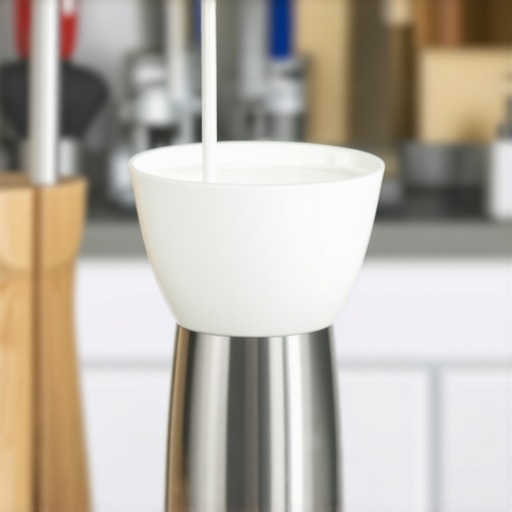
The Hardest Lesson I Learned About Microfoam
One of the biggest lightbulb moments for me was realizing that microfoam isn’t just about frothing milk; it’s about understanding the delicate balance of temperature, technique, and patience. I used to rush the steaming process, thinking that more pressure meant better foam, only to end up with large bubbles and uneven texture. The breakthrough came when I slowed down, paid attention to the small movements of my steam wand, and monitored the temperature carefully. That’s when velvety microfoam started to appear, transforming my home coffee routine.
3 Myths About Microfoam That Held Me Back
First, I believed that only expensive machines could produce good microfoam. Turns out, equipment matters, but technique is king. Second, I thought hotter milk always meant better foam. Actually, overheating destroys proteins essential for microfoam stability; the sweet spot is around 140°F. Lastly, I assumed large bubbles made for good foam. Big bubbles are a sign of over-aeration; fine, uniform bubbles are what you want for that silky texture.
What Experts Won’t Tell You About Microfoam
Many baristas know that milk composition plays a crucial role—milk with the right fat content froths better. Also, creating a whirlpool effect with your steam wand helps break down larger bubbles into tiny, stable ones. These nuances are often overlooked but can make all the difference. For in-depth insights, I recommend checking out this detailed guide.
My Essential Toolkit for Perfect Microfoam
Investing in a quality milk steamer like the Breville Milk Cafe has been a game-changer for me. It offers precise temperature control and steady steam pressure, allowing me to focus on technique. Additionally, a good digital thermometer helps me stay within the ideal temperature range, preventing over- or under-heating. Regularly cleaning my steam wand with a dedicated brush and descaling solution keeps my microfoam consistent and smooth.
Your Turn to Try Microfoam Mastery
Achieving silky microfoam is about paying attention to the small details—patience, control, and understanding your milk. Once you master these, your home latte game will reach new heights. Remember, practice makes perfect, and each attempt brings you closer to café-quality microfoam. So, grab your milk, your steamer, and start experimenting today!
What’s been your biggest challenge in creating microfoam? Let me know below!
I really appreciated this detailed breakdown of microfoam techniques. I’ve always struggled with creating that smooth, velvety texture at home, often ending up with large bubbles or over-aerated foam. What helped me was truly focusing on the positioning of my steam wand and controlling the angle, rather than just letting the steam do its thing. I also found that using cold milk straight from the fridge gave me better control over the steaming process, especially when I’m trying to hit that 140°F sweet spot without overheating. Has anyone found that milk type makes a noticeable difference? I’ve experimented with different brands and noticed some produce finer microfoam than others, which makes me curious about how much milk composition impacts the final texture. Would love to hear others’ experiences on this. Tiny adjustments in technique and milk choice really seem to make all the difference in achieving that café-quality microfoam.
Reading through this post really highlighted how much the little details matter when aiming for that perfect microfoam. For me, I’ve noticed that milk temperature is crucial—aiming for that sweet spot around 140°F makes a huge difference in the stability of the foam. Interestingly, I’ve also found that milk with higher fat content tends to produce creamier foam with fine, stable bubbles. Has anyone else experimented with different milk fat levels or even plant-based options? I’m curious about how plant-based milks compare in microfoam quality and whether technique adjustments are necessary for those alternatives. Also, it’s fascinating how slowing down and focusing on steady movements can turn a so-so attempt into something barista-worthy. Would love to hear if others have specific tips for beginners like me when it comes to making microfoam with less ideal equipment. Sometimes, just understanding the fundamentals of milk chemistry can really elevate your foam game.