
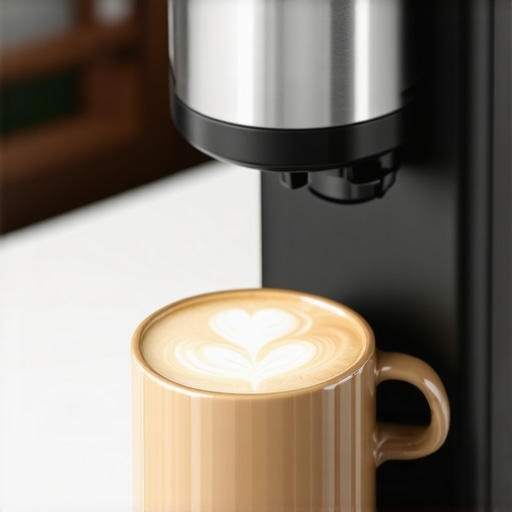
Best Milk Frothers & Steamers for Flawless Microfoam & Latte Art 2024
Ever had that frustrating moment when you try to craft the perfect latte at home, only to end up with frothy milk that looks more like a milkshake than the silky microfoam you see in cafes? I’ve been there. I remember spending hours experimenting with different frothers, steamers, and techniques, only to get inconsistent results. It felt like a constant battle against the stubborn milk and my own inexperience. But then, I had a lightbulb moment—realizing that the right equipment can make all the difference.
Why Microfoam Matters More Than You Think
Microfoam isn’t just about aesthetics. It’s the secret sauce that transforms a simple cup of coffee into an artful experience. When done correctly, microfoam adds a velvety texture and a rich flavor that elevates your drink to café quality. But achieving that perfect microfoam is easier said than done. It requires the right tools, a bit of technique, and understanding what makes a frother or steamer truly effective. If you’ve ever wondered why your milk never quite turns out right, you’re not alone. Early on, I made the mistake of thinking all frothers are created equal—which couldn’t be further from the truth. That misconception led to wasted time and money, and a lot of disappointment.
Fortunately, I discovered that investing in a quality milk frother or steamer is a game changer. In this post, I will help you cut through the noise, avoid common pitfalls, and find the best device tailored to your needs. Whether you’re a casual coffee drinker or an aspiring latte artist, I’ll guide you through what to look for and how to get flawless microfoam every time. Ready to stop struggling and start creating stunning coffee art? Let’s dive in.
Is the hype around expensive milk frothers justified?
Many beginners worry that they need to spend a fortune to get good results. My early mistake was thinking that a pricey machine automatically meant better microfoam. Turns out, it’s about understanding your equipment and mastering technique. Sometimes, a simple, well-made frother can outperform a high-end steamer if used correctly. To learn more about the secrets of perfect milk steaming, check out this detailed guide. The key is to match your choice of device with your skill level and your coffee goals, not just price.
If you’ve faced the frustration of frothing milk that’s too thin, too frothy, or just plain dull, don’t worry—you’re not alone. Many of us have made that mistake early on. But with the right advice and tools, you can turn that experience around. Ready to discover the best milk frothing options for 2024? Let’s get started!
Choose Your Equipment Wisely
The first step is selecting the right device. Imagine trying to paint a masterpiece with dull brushes—your results will be lackluster. Similarly, a quality milk frother or steamer can make all the difference. For beginners, a handheld frother with adjustable temperature controls often provides enough control to create smooth microfoam without fuss. If you’re aiming for professional-quality latte art, investing in a semi-automatic or automatic steamer with precise temperature and pressure controls can elevate your craft. When I upgraded from a basic frother to a steam wand, I immediately noticed a boost in the consistency of my microfoam, making it easier to craft latte art that wowed my friends. To avoid common pitfalls, check out this guide to find the best device suited for your needs.
Master the Technique
Even the best equipment can fall flat without proper technique. Think of steaming milk like sculpting; it’s about finesse, not brute force. Start by filling your pitcher to about one-third capacity—this gives the milk room to expand. Use a thermometer to monitor the milk temperature, aiming for around 140°F (60°C). When steaming, position the wand just below the surface to introduce air, creating microbubbles. Once the milk reaches the right temperature, submerge the wand deeper to heat the milk evenly, then tilt the pitcher to create a vortex. This process is similar to stirring cream into coffee—consistent swirling results in silky microfoam. I recall a morning when I paused to focus solely on the wand position and the swirling motion; the resulting microfoam was so smooth I could pour latte art with confidence. For detailed step-by-step techniques, visit this comprehensive guide.
Perfecting Your Pour
Creating latte art is like drawing with a brush—precision matters. Once your milk is steamed to perfection, it’s time to pour. Start by pouring from a height to incorporate the microfoam into the coffee, then lower the pitcher as you pour to allow the microfoam to rise to the surface. Use a gentle, steady stream to form shapes like hearts or rosettas. The key is to control your wrist and pour speed—think of it as writing a delicate signature. I once made a simple heart design that turned out so clean it looked store-bought. Practice makes perfect, so don’t be discouraged by initial messes. For advanced tips on pouring and latte art, check out this expert resource.
Refining Your Skills
Consistency is the name of the game. After each attempt, evaluate your microfoam’s texture—should be velvety, glossy, and free of large bubbles. If it’s too frothy or dull, revisit your steaming technique or device settings. Keep experimenting with different pitchers and milk types; whole milk tends to produce richer microfoam, but almond or oat milk can work too if steamed properly. Remember, every device and milk type requires slight adjustments, much like tuning a musical instrument. I found that practicing in short sessions, focusing on one element at a time, helped me improve faster. For more insights on refining your latte art, visit this detailed guide.
Many coffee enthusiasts believe that mastering microfoam is simply a matter of purchasing the right equipment. However, there’s a hidden nuance that even seasoned baristas sometimes overlook. A prevalent myth is that high-end frothers automatically produce perfect microfoam without proper technique. In reality, even the most expensive devices can fall short if the user isn’t aware of the subtle intricacies involved in steaming milk correctly.
One often overlooked aspect is the importance of milk temperature control. Many beginners assume that simply steaming milk until it’s hot enough is sufficient. But, as this guide highlights, maintaining a precise temperature—around 140°F (60°C)—is critical for creating stable microfoam. Overheating milk not only destroys delicate proteins essential for microfoam formation but also results in a burnt taste, ruining the coffee experience.
Why Do Many Mistakes Happen Even With Good Equipment?
One common trap is relying solely on the device’s features rather than understanding how to use it effectively. For example, many users neglect to position the steam wand correctly or fail to create a vortex, leading to inconsistent microfoam. This oversight can be particularly frustrating because it’s not a fault of the equipment but a lack of technique—a mistake that can be remedied with focused practice. Mastering milk steaming is more about finesse than brute force, and that nuance often separates the good from the great.
Another mistake is ignoring the importance of milk selection. While whole milk is often touted as ideal for microfoam, some advanced users find that alternative milk options—such as oat or almond milk—can produce comparable results if steamed properly. The key is understanding the unique protein structures of each milk type and adjusting steaming techniques accordingly. For instance, these tips can help you adapt your approach for different milk varieties.
Finally, many people underestimate the importance of cleaning and maintaining their frothers and steamers. Residual milk build-up can compromise performance, leading to inconsistent microfoam. Regular cleaning, as discussed in this policy page, ensures your equipment functions at peak performance—saving you time and frustration in the long run.
In summary, achieving perfect microfoam involves more than just choosing the right device. It requires understanding the nuances of temperature control, proper technique, milk selection, and maintenance. By paying attention to these details, you can elevate your coffee craft and avoid common pitfalls that even experienced enthusiasts can fall into. Have you ever fallen into this trap? Let me know in the comments and share your experiences!
Maintaining your milk frother or steamer is crucial for consistent microfoam quality and long-term performance. Regular cleaning prevents milk residue buildup, which can clog components and compromise foam texture. I personally recommend establishing a routine of rinsing your device immediately after each use and performing a deep clean weekly. For manual cleaning, use warm water and a gentle brush to remove milk deposits from the steam wand or frothing bowl. Many high-end devices have removable parts that can be washed in warm soapy water, ensuring thorough cleanliness and optimal operation.
Investing in quality tools is equally important. I swear by the Breville Milk Cafe for its durability and precise temperature control, which helps me consistently achieve velvety microfoam. Its steam wand produces stable, fine microbubbles, making it ideal for latte art enthusiasts. For those who prefer electric frothers, the Nespresso Aeroccino 4 has been my go-to—compact, easy to clean, and capable of producing excellent microfoam with minimal fuss. The key is to match your device to your skill level and expectations. Check out this guide to choose the best equipment tailored for your needs.
Looking ahead, I believe the trend will shift toward smarter, more integrated frothing systems that automatically adjust pressure and temperature for perfect microfoam every time. Additionally, innovations in antimicrobial materials will extend device longevity and hygiene.
How do I keep my frother working perfectly over time?
Proper maintenance is the secret to long-lasting equipment. Always follow the manufacturer’s cleaning instructions, which often include descaling procedures for steam wands and removable parts. Using filtered water can also prevent mineral buildup, especially in areas with hard water. For electronic devices, avoid overfilling or forcing parts, and periodically check for wear or damage. Many devices benefit from routine calibration—some manufacturers recommend this every 6 to 12 months to ensure consistent temperature and pressure levels. Remember, neglecting maintenance can lead to inconsistent microfoam, increased repairs, or even device failure.
In addition to cleaning, I suggest periodically inspecting and replacing worn parts such as gaskets or seals. This proactive approach saves money and time in the long run. To streamline your maintenance routine, consider keeping a dedicated cleaning kit with brushes, descaling solution, and soft cloths. For detailed maintenance techniques, visit this privacy policy page.
Finally, stay informed about new tools and techniques. Following industry experts and participating in online forums can provide insights into emerging trends and troubleshooting tips. Remember, consistent care and choosing quality tools are the backbone of flawless microfoam. Try implementing a weekly cleaning schedule combined with using the right device for your skill level—your future self will thank you for the perfect coffee every morning!
The Hardest Lesson I Learned About Microfoam
One of my biggest realizations was that even the most expensive frothers can fall short without proper technique. I once bought a high-end machine expecting flawless microfoam, only to struggle for weeks. The breakthrough came when I focused on the fundamentals—proper positioning of the steam wand and milk temperature. That lesson taught me that investing in quality tools is important, but mastering how to use them makes all the difference.
3 Myths About Microfoam That Held Me Back
I used to believe that whole milk was the only way to achieve velvety microfoam, but I found that oat and almond milk can work beautifully if steamed correctly. Another misconception was that high pressure equals better foam—turns out, consistent pressure and technique matter more. Lastly, I thought cleaning was optional; now I know that regular, thorough maintenance keeps your frother performing at its best.
What Experts Won’t Tell You About Perfect Microfoam
Many professionals keep secret that perfect microfoam isn’t just about equipment—it’s about patience and finesse. Small adjustments in angle, swirl, and milk temperature can drastically improve results. The little details, like pre-warming your pitcher or using a thermometer, can elevate your microfoam from good to cafe-quality. These nuanced techniques, often overlooked, are what truly set experts apart.
My Essential Toolkit for Coffee Microfoam
For consistent results, I rely on a few trusted tools. The Breville Milk Cafe is my go-to for its precise temperature control and durable steam wand. The step-by-step guide helped me refine my technique. I also keep a good-quality thermometer handy and dedicate time to weekly cleaning, which keeps my equipment performing flawlessly.
Keep Your Coffee Dream Alive
Perfecting microfoam isn’t just a skill—it’s a journey. Every cup you create gets you closer to that silky, artful finish. Remember, the secret isn’t in the equipment alone but in the care, patience, and continuous learning you bring to your craft. So, keep practicing, stay curious, and let your passion for coffee inspire you to reach new heights. Your next latte art masterpiece is just a pour away. Are you ready to take your microfoam game to the next level? Share your experiences below and let’s grow together!”},