
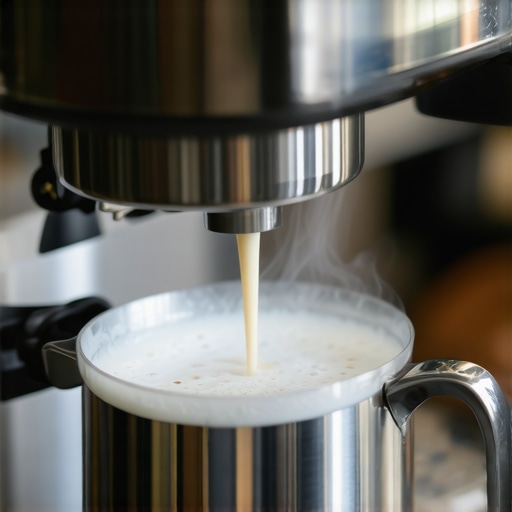
Master Microfoam & Milk Steamer Tips for Cafe-Quality Lattes Today
I still remember the first time I tried to steam milk for my homemade latte, only to end up with a bubbly, flat mess that looked more like a science experiment gone wrong than a professional beverage. It was frustrating. I thought I was doing everything right—until I realized I was missing some key secrets to creating that smooth, velvety microfoam that baristas in fancy cafes seem to conjure effortlessly.
Why Your Milk Frothing Might Be Holding You Back
If you’re like me, you’ve probably faced the same hurdle—getting that perfect microfoam feels like chasing a mirage. The good news? Mastering the art of microfoam and milk steaming isn’t about a fancy machine or some secret recipe; it’s about understanding a few essential tips and techniques that can elevate your home brewing game. Today, I promise to share the insights that transformed my coffee experience, so you can finally craft café-quality lattes every time.
Is Microfoam Steaming Overrated Or Worth It?
Early on, I made the mistake of rushing the process, thinking that hotter milk meant better foam. Turns out, I was actually ruining the texture. The key is not just in the temperature but in the technique. The good news is, with a few simple adjustments—like proper positioning of the steam wand and the right milk-to-steam ratio—you’ll see a dramatic difference. Want to avoid the common pitfalls? Check out this comprehensive guide for expert tips that will turn you into a microfoam master.
Have you ever struggled to get that silky consistency? Trust me, I’ve been there. But once I learned that the angle of the steam wand and the initial milk temperature are game-changers, everything changed. And the best part? Achieving that perfect microfoam isn’t exclusive to professional baristas. It’s entirely doable at home with just a little know-how and practice.
So, are you ready to stop guessing and start creating stunning, café-quality lattes? Let’s dive into the core tips that will make your milk steaming routine a breeze and your coffee shop envy-worthy.
Get the Milk Right Before Steaming
Start with cold, fresh milk straight from the fridge. Pour it into your steaming pitcher up to the bottom of the spout, avoiding overflow. When I first tried this step, I was surprised how much smoother my microfoam became after just adjusting the milk quantity. Cold milk creates better microfoam because it gives you more control over the steaming temperature.
Position the Steam Wand Correctly
Insert the steam wand just below the milk surface at a slight angle, aiming to create a whirlpool effect. This is crucial, as it ensures even heat distribution and incorporates air evenly. I used to accidentally plunge the wand too deep, which resulted in flat foam. Once I learned to position it just below the surface, microfoam became velvety and consistent.
Start with a Gentle Twist to Introduce Air
Turn on the steam and gently lower the pitcher to introduce air into the milk. You should hear a faint hissing sound, similar to a whisper. Don’t rush this step; it’s about patience. I once tried to rush the air introduction, which led to large bubbles. The key is to stop introducing air once the milk volume increases slightly, then focus on heating and texturing.
Keep the Milk Moving for Smooth Microfoam
Once the air is incorporated, position the wand deeper into the milk and tilt the pitcher to create a spinning vortex. This motion is similar to stirring cream into coffee—continuous movement prevents large bubbles and creates a fine, silky microfoam. I’ve found that a steady, circular motion yields the best results, and it’s easier to control the heat distribution.
Perfect the Temperature and Stop at the Right Moment
Use a thermometer or learn to gauge by hand—ideally, milk should reach around 140°F (60°C). Overheating kills the microfoam’s velvety texture. I once pushed the milk to 160°F, and it was ruined—flat and burnt tasting. When the milk is just about to reach the right temperature, turn off the steam and remove the wand immediately.
Tap and Swirl to Refine the Foam
Gently tap the pitcher on the counter to break any large bubbles, then swirl it to integrate the foam and milk. This final step ensures uniformity, giving your latte that luscious, professional look. I always do this last step with a smile, knowing I’ve crafted microfoam worthy of a cafe.
Want to master the art of steaming? Check out this detailed guide for expert tips and tricks that will elevate your skill to professional levels.
While many home baristas focus on mastering the basic techniques of milk steaming, there’s a surprising amount of misinformation that can actually hinder progress. Let’s dig deeper into some of the most prevalent myths and reveal the hidden nuances that often go unnoticed. By understanding these, you’ll avoid common pitfalls and refine your microfoam skills with confidence.
Is It Better to Overheat Milk for Richer Foam?
Contrary to popular belief, overheating milk doesn’t produce better foam; in fact, it can ruin it. Many think that steaming milk to higher temperatures, like 160°F or above, makes the foam creamier or more luxurious. However, according to coffee expert Scott Rao, over-foaming milk causes the proteins to break down, resulting in flat, burnt-tasting microfoam (source). The ideal temperature is around 140°F, where proteins are at their optimal state to create stable, velvety microfoam. Pushing beyond this point risks ruining the texture and flavor, leading to a less satisfying coffee experience.
Beware of the Myth That More Air Means Better Microfoam
A common misconception is that introducing as much air as possible during steaming results in superior foam. While incorporating air is vital, overdoing it actually produces large bubbles and a frothy, uneven texture. The secret lies in controlling the amount of air and integrating it smoothly. Gentle, controlled introduction of air during the initial phase—just enough to increase milk volume slightly—creates the fine microbubbles needed for that signature silky texture (more tips here). This nuanced approach ensures your microfoam is dense and smooth, not airy and bubbly.
How Do Advanced Baristas Achieve Consistent Microfoam?
One of the most overlooked details is the importance of the pitcher tilt and the angle of the steam wand. Many home baristas focus solely on temperature and timing but forget that positioning the wand just below the surface at a slight angle—creating a whirlpool effect—is key to even heat distribution and fine microbubbles. This technique prevents large bubbles and results in a uniform, glossy microfoam. Additionally, the initial milk temperature plays a crucial role; starting with cold milk gives you more control and reduces the risk of overheating during steaming. Mastering these subtle nuances distinguishes a good microfoam from a truly professional one (see detailed techniques here).
Have you ever fallen into this trap? Let me know in the comments. Understanding and debunking these myths will elevate your coffee game and help you craft microfoam that rivals your favorite café. Remember, consistency comes from mastering these small, often overlooked details, not just following generic tips. Keep practicing, stay curious, and your latte art skills will flourish!
Maintaining your milk steaming equipment is crucial to consistently achieving café-quality microfoam. I personally rely on a few key tools and routines that ensure my setup remains in top shape, saving me time and preserving the quality of every latte I craft. Regular cleaning is non-negotiable; milk residue can quickly clog nozzles and diminish steam pressure, leading to uneven microfoam. I use a dedicated steam wand cleaning brush and descaling solution, following manufacturer instructions to prevent mineral buildup. This guide offers detailed maintenance routines that I follow weekly to keep my steamer performing at its best.
Investing in the right tools also makes a significant difference. I highly recommend a high-quality milk thermometer; accurate temperature control is vital for perfect microfoam. An analog thermometer with a clip attaches easily to your pitcher, providing instant feedback. I prefer this over digital models because it’s simple, reliable, and doesn’t require batteries. Additionally, a sturdy steaming pitcher with a comfortable handle and a spout designed for microfoam allows for better control and less mess. My personal favorite is a stainless steel pitcher with a calibrated volume marker, helping me measure milk precisely for consistent results.
When it comes to equipment, I’ve found that upgrading to a professional-grade espresso machine with a powerful steam wand can dramatically improve your microfoam quality. If you’re serious about scaling your home setup, consider models that offer precise temperature controls and robust steam pressure—these features ensure your milk reaches the ideal 140°F without overcooking. Check out these top-rated steamers that provide consistent performance and longevity.
How do I maintain my steaming tools over time?
Consistent maintenance involves more than just cleaning; it’s about establishing a routine that extends your equipment’s lifespan. Regularly descale your espresso machine according to the manufacturer’s recommendations, especially if you have hard water. Also, replace worn-out gaskets and seals periodically to prevent steam leaks that can compromise microfoam quality. Keep your steam wand’s tip free of milk residue by purging it after each use and performing weekly deep cleans with specialized cleaning solutions. Over time, these small steps will ensure your equipment remains responsive and reliable.
Looking ahead, I predict that automation and smart sensors will become more integrated into home barista setups, providing real-time feedback on temperature and pressure. This technological evolution will make it even easier for enthusiasts to maintain optimal conditions and perfect their craft without guesswork.
Ready to level up? Try integrating a professional-grade milk thermometer into your routine today. It’s a simple step that can dramatically improve your microfoam consistency and overall coffee quality.
< >
>
The Hardest Lesson I Learned About Milk Microfoam
One of my biggest surprises was realizing that pushing the milk temperature beyond 140°F actually damages the microfoam. It was a hard lesson, but once I understood the science behind proteins breaking down at higher temperatures, I was able to craft velvety microfoam every time. That lightbulb moment transformed my coffee routine and saved me from burnt-tasting lattes.
3 Myths About Milk Steaming That Held Me Back
For a long time, I believed that more air meant better foam. Turns out, controlling the amount of air and introducing it gently is what creates that silky microfoam we all crave. Also, I used to think overheating milk made it richer—wrong again. Keeping the milk below 140°F preserves its natural properties and results in a more stable, luscious foam. Lastly, I thought only professional machines could produce café-quality microfoam—training my eye and technique proved otherwise, and now I do it all at home.
What Experts Won’t Tell You About Milk Microfoam
Most home baristas overlook the importance of wand positioning. The subtle tilt at just the right angle creates a whirlpool effect that evenly incorporates air and heat. Starting with cold milk gives you greater control, and mastering this positioning is what separates good microfoam from great. I also learned that regular cleaning and proper tools make a world of difference, extending the lifespan of my equipment and ensuring consistent results.
My Essential Toolkit for Microfoam Mastery
To achieve professional microfoam, I rely on a few trusted tools. First, a high-quality milk thermometer helps me hit that perfect 140°F every time. I also use a stainless steel pitcher with volume markings, which makes measuring and pouring precise. For cleaning, a dedicated steam wand brush and descaling solution keep my setup in top shape. Lastly, I recommend investing in a powerful espresso machine with a robust steam wand—it’s worth every penny for consistent microfoam quality.
Where to Go from Here
If you’re ready to elevate your milk steaming skills, start by practicing the positioning of your steam wand and controlling the temperature. Remember, perfect microfoam isn’t just for cafes—it’s within your reach with patience and the right techniques. For detailed tips and tools, check out this comprehensive guide and watch your coffee game transform.
Your Turn to Try
Have you ever struggled with getting smooth microfoam? What was your biggest breakthrough? Share your experiences below—I’d love to hear your journey to perfect milk steaming!