
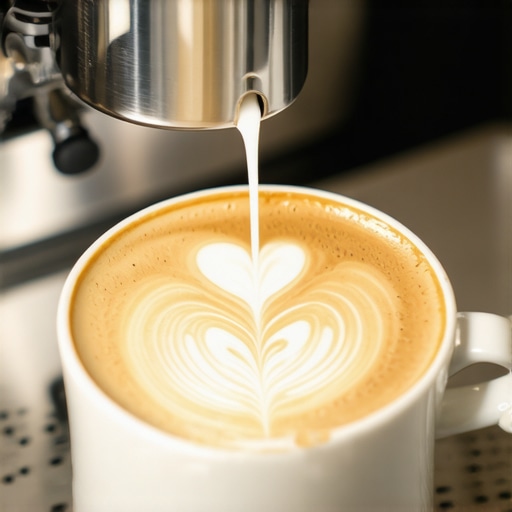
Perfect Latte Art with Top Milk Frothers & Steamers 2024
Have you ever poured what looked like a decent latte, only to be met with a sad, flat surface that betrayed your efforts? I remember countless mornings where I struggled to get that smooth, velvety microfoam just right, and my latte art attempts looked more like abstract scribbles than the beautiful hearts or rosettas I dreamed of. It was frustrating—until I realized that the real secret wasn’t just in my pouring technique but in the quality of my milk frother and steamer. That lightbulb moment changed everything.
Why Settling for Less Could Ruin Your Coffee Experience
In my early days, I naively believed that any milk frother would do. I’d buy the cheapest options, thinking I was saving money, only to end up with inconsistent foam and disappointing results. It wasn’t until I invested in a high-quality milk steamer that I saw my latte art improve dramatically. The difference was staggering. Microfoam became easier to create, and my pours looked more professional. Turns out, the right tools are just as important as the skill behind the pour. According to a study by Espresso Tech Guide, the quality of milk microfoam can make or break your latte art game.
What We Will Cover Today
In this post, I’ll share my personal journey from frothing failures to latte art mastery. I’ll guide you through choosing the best milk frothers and steamers in 2024, share practical tips, and highlight common mistakes to avoid. Whether you’re a beginner or looking to elevate your home barista skills, these insights will help you craft coffees that look as good as they taste. Ready to turn your kitchen into a mini coffee shop? Let’s dive into the secrets of perfect milk microfoam and stunning latte art!
Choose the Right Milk Frother or Steamer
Start by selecting a high-quality milk frother or steamer. I recommend checking out the best milk frothers and steamers for 2024 list to find the perfect match for your needs. A good device ensures consistent microfoam, making your latte art look professional every time. When I upgraded to a top-tier steamer, my microfoam became denser and more uniform, laying a perfect canvas for art.
Master the Milk Temperature and Texture
Achieving ideal microfoam starts with heating milk to about 140°F (60°C). Use a thermometer to monitor temperature, preventing overheating which can break the foam. As you steam, tilt the pitcher slightly and position the steam wand just below the milk surface. This creates a whirlpool effect, incorporating air evenly. I once ruined a batch trying to rush this step, but steady attention to temperature and technique turned my foam silky and smooth, perfect for latte art. For detailed tips, see microfoam mastery tips.
Create the Perfect Microfoam
Pour steamed milk into a clear pitcher and observe the texture. The goal is a glossy, velvety foam with tiny bubbles—think of smooth velvet fabric. If bubbles are large or uneven, your foam isn’t ready. Tap the pitcher on a countertop to release larger bubbles, then swirl gently to integrate the foam. Practice makes perfect: I spent weeks just practicing the swirling motion to get that perfect glossy finish, which made my latte art much easier to execute. For more techniques, visit flawless microfoam tips.
Pour with Precision and Confidence
Hold your cup at a slight angle and start pouring from a height of about 2 inches, steadily moving closer as you control the flow. For the heart shape, start pouring in the center, then wiggle the stream slightly to form the leaf, and finish with a quick pull to create the stem. I remember my first heart was a blob, but focusing on even flow and steady hand improved my results dramatically. Remember, the key is to pour slowly and steadily, letting the microfoam flow smoothly onto the coffee surface. For detailed pouring techniques, check out latte art pouring tips.
Practice and Patience Pay Off
Latte art is a skill honed through consistent practice. Don’t be discouraged by initial messy attempts; each pour teaches you something. I dedicated a few minutes daily, experimenting with different milk textures and pouring angles, until I saw real improvement. With the right tools and techniques, your latte art will become a stunning feature of your coffee creations. Keep practicing, and soon you’ll be creating intricate rosettas and tulips with ease.
Many coffee enthusiasts believe that mastering milk microfoam and latte art is primarily about having the right equipment or innate talent. However, there are nuanced misconceptions that can hinder your progress if not addressed. Let’s dig deeper into what most people get wrong about microfoam and steaming techniques, and how understanding these details can elevate your barista game.
Why The Popular Belief That All Frothers Are Equal Is Wrong
It’s a common myth that any milk frother or steamer will produce the same quality of microfoam. In reality, the difference between a basic handheld frother and a high-end steam wand can be night and day. Cheaper devices often struggle to create dense, velvety microfoam consistently, leading to uneven textures that make latte art difficult. According to a study by microfoam mastery tips, investing in quality tools ensures you get the fine, uniform bubbles necessary for professional-looking latte art.
Don’t Overlook Milk Temperature—It’s a Game Changer
Many beginners focus solely on frothing technique but neglect the critical role of milk temperature. Overheating milk beyond 150°F (65°C) can cause proteins to denature, resulting in thin, unstable foam that collapses quickly. Conversely, too cold and the foam remains too stiff and unintegrated. The sweet spot is around 140°F (60°C). Using a thermometer and paying close attention during steaming helps achieve that silky microfoam that pours smoothly. I once ruined a batch by rushing this step, but mastering temperature control transformed my results, making latte art much easier. For detailed guidance, check microfoam tips.
What advanced techniques can improve microfoam consistency for intricate latte art?
Beyond basic steaming, techniques like adjusting the angle of the steam wand or using specific pitcher shapes can influence foam quality. For instance, tilting the pitcher to create a whirlpool helps incorporate air evenly, producing finer bubbles. Also, the type of milk—whole, skim, or alternative—affects foam properties. Whole milk tends to produce richer, creamier microfoam, whereas skim milk creates lighter, frothy textures. Experimenting with these variables can unlock new levels of latte art precision. For more advanced insights, visit advanced microfoam techniques.
Beware the Trap of Pouring Technique Over Technique
Many think that mastering latte art is about perfecting pouring technique alone. While pouring is essential, the fundamental mistake is neglecting the preparation phase. If your microfoam isn’t properly textured, even the most precise pour will look amateurish. Focus on creating glossy, microfoam with tiny bubbles—think of velvet. Tap and swirl the pitcher to eliminate larger bubbles before pouring. Also, holding the cup at the right angle and pouring from the correct height makes a significant difference. Remember, practice makes perfect, but understanding these nuances accelerates your progress. For expert pouring tips, see latte art pouring tips.
Have you ever fallen into this trap? Let me know in the comments!
Invest in Reliable Tools for Consistent Microfoam
Choosing the right equipment can make or break your coffee artistry journey. I personally rely on the best milk frothers and steamers for 2024 because they offer precise control over steam pressure and temperature, ensuring a dense, glossy microfoam every time. These tools are designed with durability and consistency in mind, allowing me to focus on technique rather than troubleshooting equipment issues. As technology advances, I foresee more smart steamers with integrated sensors to monitor milk temperature and foam quality, simplifying the process even further.
How do I maintain my frothing tools over time?
Proper maintenance extends the lifespan of your equipment and keeps your microfoam consistently excellent. Regularly descale your steam wand or frother according to the manufacturer’s instructions; mineral build-up can impede steam flow and affect foam quality. After each use, rinse the wand with clean water and wipe it dry to prevent milk residue from drying and clogging the nozzle. For automatic steamers, I recommend a weekly deep clean with descaling solutions to prevent calcium deposits, which can compromise performance. Check the contact page for specific cleaning advice tailored to your device. Remember, a well-maintained steamer not only produces better microfoam but also extends the lifespan of your investment.
Tools I Recommend for Long-Term Success
Beyond high-quality equipment, I advise investing in a good thermometer—preferably a digital one with quick response times—so you can monitor milk temperature precisely. I use the microfoam mastery thermometer because it helps me maintain that perfect 140°F (60°C) without guesswork. Additionally, a sturdy, stainless-steel pitcher with a narrow spout allows for better control during pouring, which is crucial for intricate latte art. As I look ahead, I believe integrated temperature sensors within steaming devices will become standard, making it even easier to maintain optimal conditions without external tools.
Make Your Equipment Last with Routine Checks
Adopting a routine maintenance schedule is vital. Check your steam wand for any cracks or leaks monthly, and replace worn-out parts promptly to avoid performance drops. Keep the internal components of your steamer free of scale buildup by using descaling agents at least once every few months, depending on your water hardness. This proactive approach ensures your microfoam remains consistently silky and your equipment functions flawlessly over years of daily use. For detailed maintenance routines, visit microfoam maintenance tips.
By investing in quality tools, maintaining them diligently, and staying ahead with emerging technology, you’ll keep your latte art game strong for years to come. I encourage you to try integrating a digital thermometer into your routine—it’s a small step that yields big improvements in microfoam consistency and overall coffee quality!
The Hardest Lesson I Learned About Milk Microfoam
One of my biggest revelations was realizing that microfoam quality isn’t solely about technique; it’s about understanding the science of milk and steam. Initially, I thought pouring was everything, but I discovered that perfect microfoam starts with choosing the right milk and steaming it to the perfect temperature—around 140°F (60°C). This insight drastically improved my latte art and made me more confident behind the machine.
Three Myths About Frothing That Held Me Back
For a long time, I believed that all milk frothers would produce similar results. I also thought that higher steam pressure meant better foam, which isn’t true. The real game-changer was investing in quality tools like the best milk frothers and steamers for 2024. They give me precise control and consistent microfoam, essential for professional-looking latte art.
What Experts Won’t Tell You About Latte Art
Many don’t realize that microfoam texture is more important than pouring technique alone. Achieving glossy, velvety foam with tiny bubbles is the secret to seamless latte art. I learned that tapping and swirling my pitcher before pouring helps eliminate larger bubbles, creating a better canvas for intricate designs. This step made a huge difference in my ability to craft rosettas and hearts.
My Essential Toolkit for Latte Art Success
Over the years, I’ve curated a few tools that transformed my coffee game. A microfoam thermometer is indispensable for precise temperature control. A narrow-spout stainless-steel pitcher gives me better pouring accuracy. And, of course, a reliable steamer like the ones listed on the best frothers in 2024 ensures consistent results.
Keep Your Microfoam Perfect for Years to Come
Maintaining your equipment is crucial. Regular descaling, thorough cleaning, and checking for wear and tear keep your tools performing at their best. I schedule monthly deep cleans and always rinse the steam wand after each use. Proper maintenance not only extends your equipment’s life but also ensures every cup looks and tastes amazing, inspiring you to keep practicing and perfecting your latte art skills.
Your Turn to Try Microfoam Mastery
Remember, becoming a latte art expert is a journey. With the right tools, patience, and a willingness to learn, your coffee creations will impress everyone. Don’t be afraid to experiment with different milks and techniques—each mistake is a step toward mastery. Ready to transform your morning routine? Dive into the world of perfect microfoam and stunning latte art today!
What’s been your biggest challenge in creating microfoam or latte art? Share your experience below—I’d love to hear your story!