How to Create Perfect Latte Art with Milk Frother & Steamer Tips
Ever poured a latte that looked more like a scribble than a work of art? I’ve been there. One moment, your milk is silky and smooth; the next, it’s a frothy mess, and your hopes of creating beautiful latte art vanish with every failed attempt. It’s frustrating, isn’t it? But here’s the thing: mastering latte art isn’t about luck or expensive equipment. It’s about understanding the subtleties of milk frothing and steaming. I’ll share what I’ve learned over years of practice, including common pitfalls and how to avoid them, so you can finally get those perfect rosettas and hearts every time.
Why Milk Frothing and Steaming Matter for Beautiful Latte Art
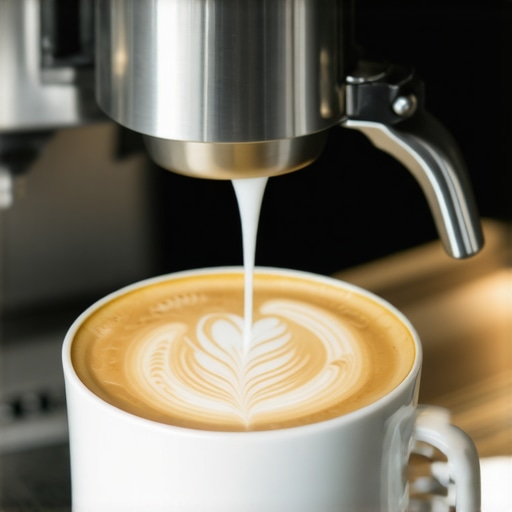
The secret to stunning latte art lies in microfoam — that velvety, glossy milk texture that seamlessly blends with espresso. When milk is steamed correctly, it creates a smooth, shiny microfoam that pours beautifully. But if you don’t get the technique right, you end up with bubbly, frothy milk that’s impossible to manipulate into designs. I remember early on, I thought just heating the milk was enough. Turns out, I was missing the mark entirely. The mistake? Overheating or not aerating enough. That’s why I recommend paying close attention to the steaming process, which can make or break your latte art ambitions. For detailed techniques, check out this ultimate guide to milk frother steamer techniques.
Is Perfect Microfoam Really Achievable at Home?
Early in my journey, I believed that only baristas could produce that perfect microfoam. I was wrong. The real challenge wasn’t the equipment — it was my technique. A common mistake I made was using a milk frother without understanding the right temperature or positioning the steam wand too high or too low. That’s a mistake many beginners make, and it’s easy to do. But with a few adjustments, you can create microfoam that’s just as good as at your favorite cafe. And if you want to get serious, there are advanced tips that can elevate your milk steaming game, which you can explore here.
Now, are you ready to leave behind those uneven pours? Let’s dive into the practical steps to perfect your microfoam and start creating latte art that impresses every time.
,
Start with the right milk temperature
When I first tried steaming milk, I used a thermometer and heated it to around 65°C (149°F), but the microfoam was flat and bubbly. Now, I focus on the feel of the milk—it should be hot to the touch but not scalding. Aim for 60-65°C (140-149°F) to get that ideal microfoam. Use your hand to gauge the warmth; if it’s too hot to hold the pitcher comfortably for a few seconds, it’s perfect. This control prevents overheating, which destroys the microstructure of the foam.
Position the steam wand correctly
Imagine the steam wand as a delicate artist’s brush. I used to place it too high or too low, causing uneven steaming. Now, I position the wand just below the surface of the milk, at a slight angle, creating a whirlpool effect. This swirling motion helps incorporate air evenly and produces a smooth microfoam. Keep the wand tip just beneath the surface, not submerged, to introduce microbubbles without creating large foam bubbles. Practicing this positioning is key to consistent microfoam quality.
Control the airflow and steam pressure
Think of steam as a gentle breeze rather than a gust. I used to open the steam valve full blast, resulting in frothy, bubbly milk. Now, I start with a gentle release of steam, listening for a soft hissing sound. This allows me to better control the milk’s temperature and foam texture. As the milk warms, I slightly reduce the airflow to maintain a steady, gentle swirl. This balance ensures microfoam that’s glossy and velvety, perfect for latte art.
Master the stretching technique
Stretching is the art of incorporating air into the milk. I used to rush this step, adding too much air too quickly, which led to large bubbles. Instead, I start by immersing the wand just below the surface, then slowly lower the pitcher to submerge the wand deeper. During this phase, I keep the steam on and allow the milk to stretch slowly for about 5-7 seconds, just enough to create microbubbles. The goal is to double the milk volume while maintaining a smooth texture. This creates the foundation for microfoam that pours beautifully.
Use the right steaming motion for microfoam
Picture the milk as a ballet dancer, swirling gracefully. I used to keep the pitcher still, but now I move it in a gentle circular motion during steaming. This helps evenly heat and aerate the milk, preventing large bubbles and ensuring consistent microfoam. Keep the pitcher slightly tilted and rotate it slowly, allowing the microfoam to develop uniformly. This motion is crucial for creating that glossy, paint-like surface suitable for latte art.
Finish with a cool-down phase
Once the milk reaches the target temperature, I turn off the steam and immediately wipe the wand with a damp cloth. Then, I gently tap the pitcher on the counter and swirl it to eliminate any remaining large bubbles. This step ensures the microfoam is smooth and shiny, ready for pouring. I’ve found that a well-prepared microfoam pours more predictably and results in cleaner, more intricate latte art designs.
Practicing these steps consistently transforms your microfoam from bubbly to silky, elevating your latte art game. Remember, patience and attention to detail are your best friends in this process. For more advanced tips and troubleshooting, explore these expert techniques.
Many enthusiasts believe that achieving perfect microfoam is solely about having the right equipment or following rigid rules. However, there are nuanced misconceptions that can trip up even seasoned baristas and home brewers. Let’s dig deeper into what most people get wrong about milk frothing and steaming, and how understanding these details can elevate your latte art skills.
Why the Quality of Your Milk Matters More Than You Think
While many focus on steaming technique, they overlook the importance of milk quality. Not all milk is created equal; fresh, cold milk with proper fat content produces better microfoam. Skim milk, for instance, creates a denser foam but lacks richness, whereas whole milk offers a balance of creaminess and foam stability. Using milk past its expiration or that has been pre-heated significantly hampers the microfoam’s texture. Remember, the best microfoam starts with the best ingredients. For detailed tips, explore these expert tips.
Overcoming the Myth of Instant Microfoam Achievement
A common misconception is that microfoam can be whipped up instantly with a quick flick of the wrist. In reality, creating velvety microfoam requires patience and gentle control over the steaming process. Rushing leads to large bubbles or uneven textures. It’s tempting to think that high steam pressure is always better, but in fact, too much pressure can cause the milk to froth excessively, making it difficult to pour for art. Instead, a slow, steady approach yields better results. For advanced techniques, consider reading these detailed hacks.
Are Higher Temperatures Always Better for Microfoam?
Many believe that steaming milk to the highest possible temperature guarantees a smooth microfoam. However, overheating destroys the milk’s proteins, resulting in a burnt taste and a less glossy texture. The ideal temperature range is around 60-65°C (140-149°F). Beyond that, microstructure breaks down, and the foam becomes bubbly or stringy. Using a thermometer helps, but learning to judge by feel and sound can be more effective. For more insights, check out this comprehensive guide.
Have you ever fallen into this trap? Let me know in the comments how you’ve overcome these myths and improved your latte art skills. Remember, mastering microfoam is as much about understanding the science as it is about technique. Keep experimenting and refining your process, and soon you’ll enjoy latte art that truly stands out.
Maintaining your milk frothing equipment is crucial for consistently creating stunning latte art. I’ve found that even the best tools need regular attention to perform optimally over time. One of my go-to investments is a high-quality steam wand cleaner. Regular cleaning prevents milk residue buildup, which can affect microfoam quality and lead to uneven textures. I personally use a specialized steam wand cleaning brush that reaches into the small crevices, ensuring thorough maintenance. Additionally, a thermometer is indispensable for precise milk temperature control. I prefer a digital thermometer with quick response times, which helps me dial in the perfect 60-65°C range every time. Consistent temperature is key to microfoam stability and long-term success in latte art. For my steaming process, I rely on a top-rated milk steamer that offers adjustable pressure settings. This allows me to fine-tune the steam output, reducing the risk of bubbly or stringy microfoam. Over time, these small adjustments make a noticeable difference. In the future, I predict that smart, app-controlled steamers will become more common, offering real-time feedback on temperature and pressure to elevate home barista setups. To keep your tools in tip-top shape, I recommend a weekly cleaning routine, including flushing the steam wand and inspecting the milk pitcher for any build-up. This simple habit extends the lifespan of your equipment and ensures each pour is as smooth as the microfoam you aim to create. How do I maintain my tools over time? Regularly wipe down all parts with a damp cloth, avoid using harsh chemicals, and replace worn-out parts as needed. Remember, investing in quality tools and maintaining them properly pays off with stunning latte art and a more enjoyable brewing experience. For more detailed maintenance tips, check out these expert guidelines. Now, challenge yourself to adjust your steam pressure this week and see how microfoam quality improves—small changes can lead to big results.
Mastering microfoam is a journey of patience, precision, and a bit of artistry. Over the years, I’ve discovered that the hardest lesson isn’t just about technique but understanding the delicate science behind milk steaming. One lightbulb moment was realizing that microfoam isn’t about creating bubbles but a silky, glossy texture that pours beautifully. This insight transformed my approach from rushing the process to focusing on gentle control and consistent practice. Remember, even small adjustments in steam pressure or milk temperature can make a big difference in your latte art quality. For a deep dive into these nuanced techniques, I recommend exploring this comprehensive guide.