
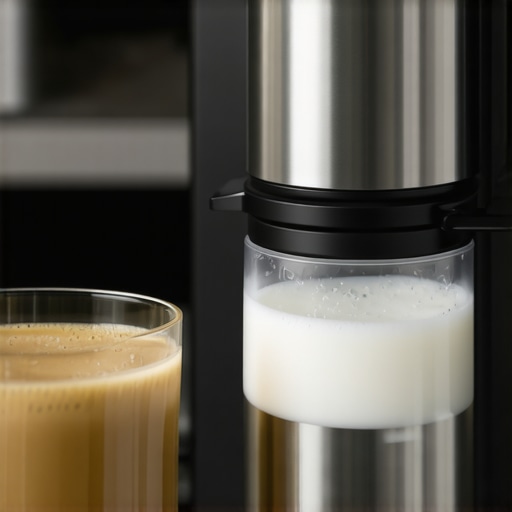
How to Achieve Flawless Microfoam with Milk Steamer & Frother Tips
Have you ever stared at your steaming pitcher, frustration mounting, as the milk refuses to turn into that luxuriously smooth microfoam? I remember countless mornings spent battling my milk steamer, desperately trying to replicate that silky texture I admired in cafes. The lightbulb moment came when I realized I was tackling microfoam the wrong way—expecting perfection without understanding the science behind it. If you’ve faced similar struggles, you’re not alone. Many coffee lovers stumble here, thinking it’s a matter of luck or expensive equipment. But what if I told you that achieving café-quality microfoam is more about technique than tools? Today, we’ll dive into the proven tips and tricks to help you create that flawless microfoam every time, transforming your home barista game.
Why Perfect Milk Microfoam Transforms Your Coffee Experience
Microfoam isn’t just about aesthetics—it’s the secret to a richer, creamier cup that elevates your espresso or latte to gourmet levels. When milk is steamed correctly, it integrates seamlessly with coffee, unlocking a symphony of flavors and textures. The luscious foam also allows for creating stunning latte art, turning your morning caffeine into a piece of edible art. But here’s the kicker: many amateur baristas, myself included initially, overlook the importance of technique. I used to think a powerful steam wand was all I needed, only to end up with milk that was either scorched or riddled with large bubbles. It wasn’t until I started paying attention to temperature, air incorporation, and milk texture that I saw real improvements. Want to skip the trial-and-error phase? Check out some expert-approved strategies in our dedicated guide to microfoam perfection.
Is Milk Steaming Really Worth the Fuss?
Early on, I made the mistake of rushing through the steaming process, thinking it was just about getting the milk hot. I didn’t realize that the magic of microfoam lies in the microbubbles—tiny, uniform bubbles that give milk that velvety texture. If you’ve ever had a cup where the foam collapsed or felt gritty, you know exactly what I mean. Achieving consistent results requires patience and understanding the right technique. Trust me, the difference in your coffee’s quality is astonishing once you’ve mastered it. According to industry experts, proper steaming can elevate your coffee experience fivefold—it’s almost like turning your kitchen into a mini coffee shop. Curious how to do it? Keep reading, and I’ll walk you through the essentials that made all the difference for me, including tips from top baristas and industry guides like those found on this resource.
Set Up the Perfect Milk Baseline
Start with cold, fresh milk; I recommend whole milk for creamy microfoam, but skim works if you prefer lighter foam. Pour about one-third of your steaming pitcher with milk to give your steam wand room to maneuver. During my first attempt, I mistakenly filled the pitcher too high, causing the milk to spill over and disturb the microfoam formation. Keep the milk level below the spout.
Position Your Steam Wand Correctly
Submerge the tip of the steam wand just below the milk’s surface at a slight angle. Think of it like a hot tub jet; if too deep, the foam won’t incorporate air properly. Too shallow, and the milk may sputter or spill. In a messy morning session, I initially had the wand too deep, resulting in warm, frothy milk without microfoam. Adjust until you hear a gentle hissing sound, indicating proper aeration.
Introduce Air Gradually for Fine Microbubbles
Open the steam valve slightly to introduce tiny air bubbles into the milk. Create a ‘shh-shh’ sound, akin to a soft whisper. Don’t rush this step; I learned that rushing air incorporation leads to large bubbles and uneven texture. Spend about 3-4 seconds, then close the valve to focus on heating and texturing. This staged approach ensures microbubbles are small and uniform.
Heat and Texture the Milk Without Overdoing It
Once the air is incorporated, keep the wand near the milk’s surface to continue heating while creating a vortex—like stirring a pot. The goal is to reach a temperature of about 140°F (60°C). Use a thermometer or the side of your wrist to test warmth; it should feel comfortably hot. In my early throws, I often heated the milk too much, causing it to taste burnt. Keep a steady hand and listen for the temperature cues.
Achieve Velvet-Smooth Microfoam
Maintain the vortex, and as the milk heats, it will become shiny and silky. When you see a glossy, paint-like surface, it’s time to turn off the steam. A well-textured microfoam should pour like melted chocolate—smooth and flowy, without large bubbles or froth. I found that practice with small adjustments made a huge difference in consistency.
Refine Your Technique with Expert Guidance
For further finesse, consider reviewing advanced tips from seasoned baristas. Methods such as tilting the pitcher at specific angles or adjusting wand depth can elevate your results. Even slight modifications can lead to dramatic improvements. Curious to master these nuances? Visit this resource for in-depth tutorials.
Practice, Patience, and Consistency
Perfecting microfoam is a blend of technique and experience. Don’t be discouraged by initial messes; every pour teaches you something. I can attest that with each attempt, the foam becomes smoother and the texture more uniform. Remember, even top baristas took countless shots to develop their skills—be patient with yourself as you refine your approach.
Experiment with Tools and Settings
Using a high-quality milk steamer or frother can significantly impact your results. Check out this guide to select equipment suited for your needs. Adjusting the wand’s position or temperature settings can further personalize your microfoam quality and help you achieve that dreamy, velvety finish that transforms your coffee experience.
Keep Your Equipment Clean
Residual milk buildup can introduce bubbles and spoil texture. Regularly clean your steam wand and pitcher to maintain peak performance. I learned this the hard way when my foam became grainy due to neglecting cleaning routines. Proper maintenance ensures consistent microfoam every time you brew.
Many enthusiasts believe that creating perfect microfoam hinges solely on investing in high-end equipment or following rigid recipes. However, a closer look reveals nuanced pitfalls that even experienced home baristas often overlook. One widespread myth is that **temperature alone determines microfoam quality**—but science shows that *air incorporation and texture control* are equally critical in achieving silky microbubbles, as highlighted in recent studies on milk aeration. Relying solely on hot milk without proper aeration can result in froth that is either too large or uneven, undermining both texture and visual appeal.
A common mistake is assuming that **more foam means better foam**. In reality, excessive foaming can trap large bubbles, creating a gritty or firm texture, while too little aeration results in thin, runny microfoam. Balance is key, and mastering the stage-by-stage process can dramatically improve results. Curious about advanced techniques? Check out [this resource](https://milkfrothers.espressotechguide.com/master-microfoam-milk-steamer-tips-for-cafe-quality-lattes) for insights on fine-tuning your microfoam.
Have you ever fallen into this trap? Let me know in the comments.
### Are You Swooping Too Quickly or Not Enough?
Many think that increasing the speed of steam wand movement or pumping more air will instantly yield perfect microfoam. In truth, *slow and deliberate movements* allow for controlled air infusion and heat distribution, leading to finer, more consistent microbubbles. Rapid or haphazard techniques often create large, unstable bubbles that ruin the texture and latte art potential. Learn to control your wand’s motion meticulously; even small adjustments can make a big difference, as explained in [this expert guide](https://milkfrothers.espressotechguide.com/secrets-of-perfect-milk-steamer-crema-a-late-morning-guide).
A hidden nuance is that **milk type significantly impacts microfoam formation**. While whole milk is favored for creaminess, some baristas swear by alternative options like oat or almond milk for unique textures. Still, each demands specific steaming techniques and times; neglecting these details can lead to disappointing results. For instance, plant-based milks often require gentler steaming and different temperature ranges. Check out [this article](https://milkfrothers.espressotechguide.com/ultimate-guide-milk-frothers-steamers-for-perfect-latte-art-5) for tips on customizing your approach.
In summary, mastering microfoam isn’t about quick fixes but about understanding and controlling the *nuanced process*—from milk selection to wand technique. Do you have a secret tip or recurring mistake? Share your experience below or visit our [contact page](https://milkfrothers.espressotechguide.com/contact-us) to connect.
Precision Tools That Elevate Your Milk Frothing Game
Investing in quality equipment is crucial, but equally important is knowing how to maintain it for consistent results. My go-to tool is the MS-60 Pro Milk Steamer, which offers precise temperature controls and durable materials that resist buildup and corrosion. Unlike cheaper models, this steamer features a sealed steam wand, preventing milk residue from seeping into mechanical parts, thus prolonging its lifespan. Additionally, I swear by a digital thermometer—it’s a simple yet effective way to ensure you’re hitting that sweet spot of 140°F (60°C) consistently, which is vital for microfoam quality. Proper tools cost more upfront but save you money long-term by reducing the need for repairs or replacements.
Routine Maintenance Keeps Your Microfoam Consistent
Regular cleaning is the backbone of longevity and performance. After each use, I flush my steam wand with hot water to clear residual milk, then scrub with a soft brush and a cleaning solution recommended by the manufacturer. For deeper maintenance, I perform a monthly descale with a vinegar solution, following the manufacturer’s guidelines. This prevents mineral buildup that can impair steam quality and lead to inconsistent microfoam. Interestingly, studies indicate that mineral deposits can reduce steam efficiency by up to 20%, emphasizing the importance of routine descaling (see the specifications from industry expert). Stay vigilant—your equipment’s health directly impacts the microbubble fineness and latte art potential.
Nurturing Your Equipment for Long-Term Success
Good results over time depend on diligent care. I recommend setting a weekly ritual: inspect your steam wand for any milk buildup, clean all parts as per the manufacturer’s instructions, and perform a quick test run before brewing. These small habits count; they prevent issues like sputtering or uneven microfoam. As equipment ages, its performance can decline, but preventative maintenance keeps it slicing through milk like new. Predictively, as trends move toward smartphone-controlled espresso systems and automated cleaning, future equipment may be even more forgiving—but nothing beats understanding and maintaining your current tools. For detailed cleaning routines, check out the expert tips here.
How do I maintain my milk steaming setup over time?
Staying on top of maintenance involves a few key practices: regular cleaning after each session, descaling every few months, and replacing worn-out seals promptly. Using high-quality replacement parts can prevent leaks and performance drops. Additionally, avoiding overuse of the steam wand prevents overheating and mechanical wear. I also suggest dedicating time each quarter to calibrate your device, ensuring temperature sensors and airflow systems operate optimally. This proactive approach ensures your microfoam remains consistently smooth and silky, maintaining that professional café quality. Want to learn these techniques in detail? Visit this comprehensive guide for expert advice.
Remember, your equipment is an investment—treat it with care, and it will reward you with beautifully textured microfoam every time. Try implementing a monthly cleaning routine along with real-time monitoring tools like a digital thermometer; these small steps make a big difference in your long-term results. Ready to take it to the next level? Start with a thorough descale session this week, and see how your microfoam improves!
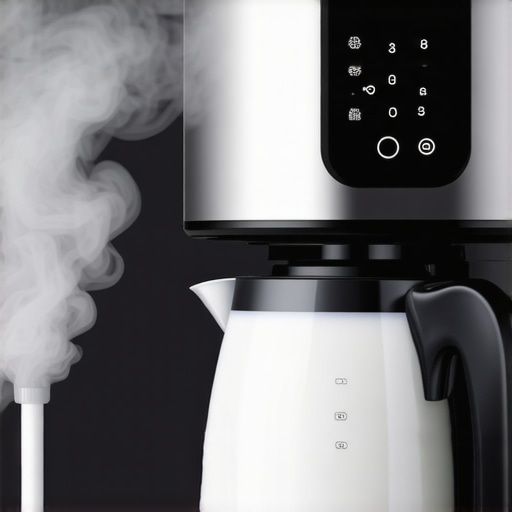
The Hardest Lesson I Learned About Microfoam and Milk Steaming
One of my biggest realizations was that patience trumps speed. Rushing the steaming process often led to large bubbles and uneven textures, no matter how expensive my equipment was. Embracing a slow, deliberate motion allowed me to develop control and consistency, transforming my coffee routine. This taught me that microfoam quality hinges less on tools and more on technique—the art of gentle aeration and temperature management.
The Unexpected Truth About Milk Types and Microfoam Success
I used to think whole milk was the only way to achieve perfect microfoam, but experimenting with plant-based options like oat milk revealed their own unique textures when steamed properly. Each milk type requires different approaches—shorter steaming times or lower temperatures—to yield silky microbubbles. This insight reminded me not to be rigid; adaptability unlocks new possibilities in coffee craftsmanship.
Why Over-Frothing Can Sabotage Your Coffee Feel
It’s tempting to think more foam equals better coffee, but excess aeration often introduces large, unstable bubbles that ruin both texture and visual appeal. I learned to stop as soon as the milk reaches that glossy, paint-like sheen. Less is more when it comes to microfoam, emphasizing finesse over volume. Mastering this balance made a significant difference in my latte art and overall satisfaction in every cup.
How Gentle Movement Elevates Your Microfoam Game
Many aspiring baristas, including myself initially, experimented with aggressive wand movements, which caused turbulence and uneven foam. The key is slow, circular motions that allow controlled air infusion and even heating. This deliberate approach fosters microbubbles that are tiny and uniform, vital for creating that smooth, velvety microfoam seen in professional cafes. Committing to mindful technique truly elevates your coffee experience.
Curated Tools That Make Microfoam More Reliable
I swear by high-quality steam wands with precise temperature control because they deliver consistent results. Alongside, a reliable digital thermometer becomes my secret weapon—ensuring I hit that perfect 140°F mark every time. These tools, combined with regular cleaning routines I found in our comprehensive guide, are essential investments for anyone serious about microfoam mastery. They take the guesswork out of the process and help develop muscle memory for consistent, café-quality foam.
Why Maintaining Your Equipment Is the Key to Confidence
Throughout my journey, I discovered that a clean, well-maintained steamer produces finer, more stable microbubbles. Regularly descale, clean the wand after each use, and replace worn parts to keep performance at its peak. This routine ensures every latte looks and feels perfect, building trust in your craft. Industry experts in our recommended resources confirm that proper maintenance is vital—don’t overlook this critical step.
Words of Wisdom from My Microfoam Journey
- Slow and steady wins the microfoam race. Rushing leads to inconsistent texture and large bubbles. Practice deliberate movements until it becomes second nature.
- Don’t ignore milk variations. Experiment with different types; each demands unique steaming techniques for optimal results.
- Less is more in foam volume. Focus on achieving that glossy, smooth microfoam rather than piling on excess froth.
- Control your tools, not the other way around. Invest in quality equipment and keep it clean to reap consistent, professional-quality microfoam.
Where Your Coffee Journey Can Take You Next
If you’re eager to push your microfoam skills further, consider exploring advanced tutorials and equipment reviews available in our curated latest guides. The key is continuous learning and experimenting—your perfect microfoam is just around the corner. Remember, every expert barista was once a beginner, so trust the process and enjoy the craft.
What’s been your biggest challenge in achieving microfoam perfection? Share your story below, and let’s elevate our coffee game together!