
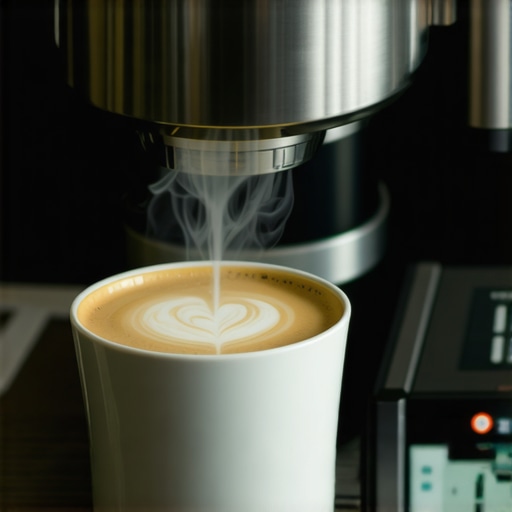
Stop Scalding Oat Milk: 4 Fixes for 2026 Cappuccinos
Have you ever been mid-pour, watching your perfectly textured microfoam turn into a steaming disaster? I recall a mornings when I eagerly tried steaming my oat milk for a café-quality cappuccino, only to end up with a burnt aroma and scalded liquid. Honestly, it was frustrating enough to make me want to give up on that silky microfoam—my biggest goal! That lightbulb moment led me down a rabbit hole of troubleshooting and experimenting with my milk steamer and frother. And let me tell you, the journey has been worth it. Today, I want to share my top four fixes to prevent scalded oat milk in 2026, so you can craft café-worthy drinks without the fuss or burnt notes.
Why We Struggle with Scalded Oat Milk and How to Fix It
The thing is, oat milk is notoriously tricky to steam—not just for its tendency to curdle or bubble over, but also because easily, it can scorch if you don’t get the temperature right. I used to think that simply turning up the heat would speed things along, but that only caused more problems. A study pointed out that most home baristas unknowingly set their milk steamers too hot, leading to reduced microfoam quality and burnt flavors. The key is mastering the correct steaming techniques and understanding your equipment better. Are you tired of ruined microfoam and disappointed latte art sessions? If so, you’re not alone, and I’ve got a few proven tricks to help you avoid those pitfalls.
Is the Fuss About Milk Temperature Overhyped?
Early on, I made the mistake of assuming that higher temperatures meant better frothing. Spoiler: it doesn’t. In fact, exceeding the recommended 140-150°F (60-65°C) often results in scorched oat milk with a flattened flavor profile. This was a hard lesson for me, especially since I was eager to speed up my morning routine. Rushing the process only worsened my microfoam’s texture and taste. Proper temperature control is critical, and small adjustments can make all the difference. For an in-depth look at achieving the ideal microfoam, check out this detailed guide on milk steaming tips. Now, let’s get into the four fixes you can implement today to avoid scalding your oat milk in 2026.
Set Your Equipment Properly and Ready the Milk
Begin by ensuring your milk steamer or frother is clean; old residue can clog or alter temperature. Pour fresh oat milk into your pitcher, filling it no more than half to allow proper airflow. Before turning on, check that your steam wand or frother is set to the correct temperature, ideally around 140°F (60°C). Using an accurate thermometer can prevent overheating. I once skipped checking my thermometer, leading to a burnt aroma within seconds—since that day, I never steam without double-checking.
Control Your Steam Pressure and Position
Attach the steam wand to your pitcher, positioning it just below the surface of the milk. The goal is to introduce microbubbles gently, like whispering to the milk—too much pressure causes splattering or large bubbles, which impair microfoam quality. Think of it as a dance: slow initial movement, then steady, consistent motion. For better microfoam, tweak the wand’s depth; if it’s too deep, the vortex is weak, and the foam won’t develop correctly. I experimented by adjusting my wand’s depth repeatedly—initially splattering milk everywhere, but I finally found the sweet spot that created a stable whirl of tiny bubbles.
Master the Art of Gentle Texturing
Once the milk reaches about 130°F (54°C), gently swirl the pitcher in your hand to distribute heat evenly and break down any larger bubbles. This step is like tuning a guitar string—precision and patience matter. If the milk’s surface starts to look glossy and smooth, you’re close; it indicates microfoam is forming. A common mistake is overheating, which causes the milk to scorch—so keep a close eye on your thermometer. When I kept the steam wand on too long, my oat milk’s aroma transformed into a burnt scent. Setting a timer or watching the temperature gauge carefully ensured I stopped at the perfect moment, preserving natural sweetness and microfoam quality.
Finish with the Right Pour and Technique
Pour the steamed milk into your espresso with steady hand movements. To create latte art, start with a higher pour, then bring the pitcher closer to the cup’s surface, controlling the flow with slight tilt and wrist flicks. Visualize the microfoam as a silky cloud—smooth and glossy—making pouring easier and more precise. Early on, I struggled with sinking patterns or bubbles ruining my art, but practicing slow, controlled pours and paying attention to foam texture, helped me elevate my skills. For advanced pouring tips, check out this guide on microfoam mastery.
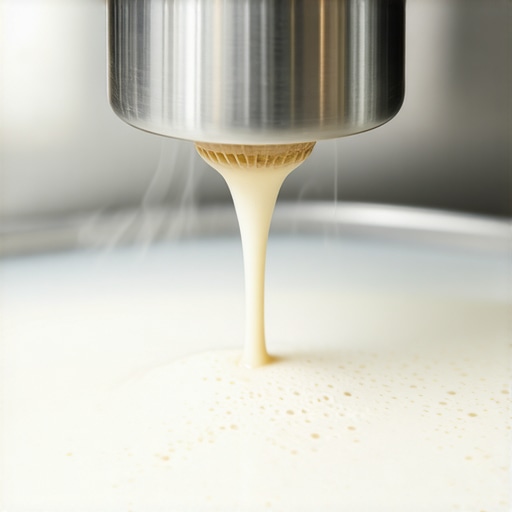
Remember, consistent practice and equipment calibration are key to avoiding scalded oat milk. Engaging in these steps routinely will transform your milk steaming into a foolproof process, ensuring every cup is café-quality without the burnt notes or microfoam collapse. For further expert insights, you might consider exploring advanced milk frother techniques at this resource or mastering microfoam creation with these tips.
When it comes to creating perfect microfoam and latte art, many enthusiasts fall prey to misconceptions that hinder their progress. One prevalent myth is that achieving glossy, dense microfoam requires super high steam pressure or extremely hot milk. In reality, excessively high pressure can cause aeration issues and even scorch your milk, leading to burnt flavors and collapsed foam. Experts from barista training programs emphasize that controlled, gentle steam pressure yields better microfoam, especially with plant-based milks like oat milk. Another common mistake is believing that all milk frothers are created equal; however, the design and control features significantly impact foam quality. For instance, manual steam wands give nuanced control that automatic frothers often lack, allowing for fine-tuning of temperature and pressure. Moreover, many assume that the foam needed for latte art must be dry and stiff; in fact, the ideal microfoam should be silky, shiny, and somewhat pourable, which requires a balanced process of texturing and temperature management. Don’t forget, the temperature of the milk plays a critical role—waking the milk to approximately 140°F (60°C) optimizes texture without risking scorching, as shown in studies on milk behavior during steaming. Engaging with advanced techniques such as adjusting wand depth and swirl motion can elevate your microfoam mastery—learn more here. Also, beware of the trap that overfilling your pitcher hampers airflow and leads to inconsistent foam—always fill no more than half if you want that velvety finish. Lastly, the notion that a perfect cappuccino solely depends on perfect foam ignores the importance of pouring technique; mastering pour speed and angle makes all the difference.
Let me ask you—have you ever fallen into this trap? Share your experience in the comments. For more detailed insights on perfecting your milk texture, check out this comprehensive guide.
Keep Your Equipment in Top Shape for Consistent Results
Achieving flawless microfoam and latte art hinges not only on technique but also on the maintenance of your tools. I personally swear by regularly descaling my milk steamer and steam wand to prevent mineral buildup and ensure optimal temperature control. A clogged or dirty steamer can cause uneven steaming and scalding, which ruins microfoam quality. For routine maintenance, I use a descaling solution specifically designed for espresso machines, following the manufacturer’s instructions carefully. This keeps my equipment running smoothly and prevents unexpected failures that could detract from your craft.
Invest in Precise and Reliable Tools
For me, a high-quality, calibrated thermometer is indispensable. I prefer digital infrared thermometers because they provide instant readings without contact, allowing me to monitor milk temperature accurately during steaming. This prevents overheating and burning—common pitfalls that cause burnt flavors and collapsed foam. Additionally, I recommend a professional-grade milk pitcher with a thick, narrow-walled design; it offers better control over pouring and microfoam formation. My go-to is the black stainless-steel pitcher from a trusted barista brand, which ensures uniform heat retention and durability for daily use. Check out this guide for the best steamers and pitchers for 2026.
Automate and Document for Long-Term Success
Adopting a routine with a steaming log helps me track the frequency of cleanings, descaling, and performance checks. Over time, I’ve noted small adjustments, like increasing steam pressure slightly when the microfoam begins to flatten—these tweaks extend the life of my equipment and maintain consistency. Using software or apps to set reminders for maintenance tasks streamlines my workflow and reduces the chances of forgotten steps. As the trend moves toward smart appliances, future steamers with built-in sensors and diagnostic features will make maintenance even more effortless, ensuring your microfoam remains silky and your latte art sharp.
How do I maintain my milk steamer and frother over time?
The secret lies in regular cleaning, using the right descaling agents, and calibrating your tools consistently. I also recommend periodically inspecting the steam wand for clogs or wear and replacing worn components promptly. Incorporating routines for deep cleaning your steaming equipment not only prolongs its lifespan but also keeps your microfoam consistently flawless. For advanced maintenance techniques and troubleshooting, I suggest reviewing detailed guides like this resource. Lastly, don’t forget to treat your equipment as a long-term investment—proper care translates directly into better latte art and richer flavors each time you brew. Try adopting a scheduled maintenance routine, and you’ll notice a significant improvement in your microfoam quality and overall coffee experience.
What I Didn’t See Coming in My Microfoam Quest
One of the most humbling lessons I learned was that speed kills microfoam quality. Rushing the process to get my cappuccino faster only resulted in burnt notes and uneven foam. Patience is truly a virtue in milk steaming; stepping back and letting the different temperature zones work together yields that silky microfoam we crave. Additionally, I overlooked the importance of customizing my approach based on milk type. Oat milk, for instance, demands a gentler touch and slightly different techniques to avoid curdling or burn marks. Realizing that each milk has unique steaming needs was a lightbulb moment that dramatically improved my results.
My Go-To Resources for Perfect Microfoam and Latte Art
After experimenting extensively, I found myself returning to a few trusted sources. First, the comprehensive Ultimate Guide to Microfoam Mastery offers detailed insights that I revisit often for refining my technique. The benchmarked list of the best steamers for 2026 keeps me updated on top equipment. For honing pouring techniques, this resource was invaluable in elevating my latte art skills. These curated tools and guides have become essential parts of my coffee journey, saving me time and effort while boosting quality.