
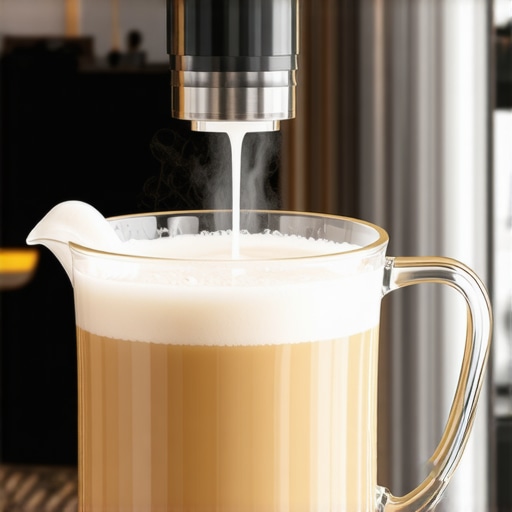
How to Create Fluffy Microfoam with Milk Steaming & Frother Tips
Ever poured milk into my espresso, eagerly watching for that perfect, velvety microfoam, only to be met with a disappointment—lumpy, thin, or just plain stubborn foam that refuses to cooperate. I remember the lightbulb moment when I realized that creating fluffy, cafe-quality microfoam isn’t just about having a fancy frother; it’s about technique, patience, and understanding the milk’s dance with heat and air.
Why Microfoam Matters More Than You Think
If you’re like me, you’ve probably spent hours trying to get that perfect microfoam, only to end up with something that looks more like whipped cream gone wrong. But here’s the thing—microfoam isn’t just about aesthetics. It’s the secret ingredient that elevates your coffee from average to extraordinary. When done right, microfoam creates a silky texture that complements the espresso’s richness, enhances flavor, and makes every sip feel like a cozy moment at your favorite café. Plus, it’s the foundation for beautiful latte art and that satisfying mouthfeel we all crave.
Getting it right can feel like an elusive quest, especially with the variety of milk frothers and steamers out there. I’ve learned firsthand that many of us make simple mistakes early on—like overheating the milk or not positioning the steam wand properly. Trust me, I’ve been there, battling with stubborn milk that refuses to turn silky. But once I cracked the code, everything changed. Want to know how I finally mastered microfoam? Stick around. I’ll walk you through the essentials, share my tips, and help you avoid the common pitfalls that trip up so many coffee lovers.
Is Your Milk Frother Actually Worth the Hype?
One mistake I made early on was assuming all frothers are created equal. I bought a cheap device, expecting it to work magic, but it was a disaster—more splatter than foam and no real microtexture. That’s when I discovered that investing in a quality frother or steamer makes all the difference. For expert advice on choosing the right equipment, check out this guide. It’s packed with insights that can save you time and frustration.
Now, I want to hear from you—have you ever struggled with microfoam? Or maybe you’re just starting out and feeling overwhelmed? Either way, this journey is about experimenting, learning, and enjoying the process. Ready to take your coffee game up a notch? Let’s dive into the practical tips that will transform your milk steaming skills and make every cup a work of art.
Heat the Milk Properly for Fluffy Microfoam
Start with fresh, cold milk straight from the fridge. Pour the milk into your frothing pitcher, filling it no more than one-third full to allow space for expansion. Turn on your milk steamer or frother and set it to the right temperature, typically around 140°F (60°C). During my first attempt, I overestimated the heat and ended up with burnt milk; now I keep a thermometer handy to monitor this crucial step. Proper heating ensures the proteins in milk emulsify correctly, creating a silky microfoam instead of large bubbles or scalded milk.
Create a Vortex to Incorporate Air Effectively
Position the steam wand just below the surface of the milk, aiming to introduce air gently. Turn on the steam and listen for a soft hissing sound—this indicates air is being incorporated without overwhelming the milk. As I practiced, I noticed that keeping the wand slightly off-center helped create a spinning vortex, which evenly distributes air and prevents large bubbles. Keep the wand steady and tilt the pitcher slightly to encourage this whirlpool effect. This step is critical for achieving the fine, velvety microfoam that feels like silk.
Tip: Use a Clock Face for Consistency
Visualize your pitcher like a clock face. Position the wand at the 10 or 2 o’clock mark at the start, then gradually lower it deeper into the milk as the volume increases. This technique helps control the air intake and ensures uniform microfoam. During my second attempt, I kept the wand too deep, resulting in flat, untextured milk. Adjusting the wand’s position led to a noticeable improvement in foam quality.
Create the Perfect Microfoam Texture
Once the milk has expanded and is steaming hot, reduce the airflow by adjusting the steam valve or lifting the wand slightly. Now, focus on creating a smooth, glossy surface by moving the pitcher in small circles. As I learned from this guide, the goal is microbubbles—tiny, uniform bubbles that give the milk its signature silky texture. Tap the pitcher gently on the counter to burst any remaining large bubbles, then swirl the milk to integrate the foam and liquid for a uniform consistency.
Final Steps for Microfoam Mastery
When the pitcher becomes slightly too hot to hold comfortably, it’s time to stop steaming. Immediately wipe the steam wand to prevent milk buildup and turn off the steam. To perfect your microfoam, practice pouring the milk in a steady stream into your espresso, aiming for a controlled, fluid motion. This technique, combined with the right texture, will help you create beautiful latte art and elevate your coffee experience. Want to refine your skills further? Check out these advanced tips for latte art mastery.
Many coffee lovers assume that microfoam creation is just a simple matter of turning on the steamer and pouring. However, there are nuanced pitfalls that can sabotage even seasoned enthusiasts. For example, one widespread misconception is that hotter milk always results in better microfoam. In reality, exceeding 150°F (65°C) can denature the milk proteins, leading to larger bubbles and a less silky texture. Instead, maintaining a precise temperature around 140°F (60°C) ensures optimal protein stability and microbubble formation. For advanced tips on temperature control, check out this guide.
Another common mistake is over-aerating the milk. Introducing too much air too quickly can create large, uneven bubbles that ruin the microtexture. The secret lies in gentle, controlled air incorporation, especially at the beginning of steaming. Using a vortex to evenly distribute air prevents large bubbles from forming, which is essential for that smooth, silk-like finish. Remember, slow and steady wins the microfoam race. To refine your technique, exploring these expert tips can make a significant difference.
Why does the order of steaming matter for microfoam?
Many overlook the importance of the steaming sequence. Starting with a gentle stretch of milk—slowly introducing air at the surface—then lowering the wand to create a vortex ensures the microbubbles are uniformly tiny. Once the ideal foam is achieved, reducing airflow and finishing with a swirl helps stabilize the microstructure. Skipping this sequence often results in inconsistent foam, ruining latte art potential. For a deeper dive into mastering steaming order, visit this resource.
Finally, many believe that higher-quality milk guarantees perfect microfoam. While premium milk often yields better results, technique is equally crucial. Even the best milk cannot compensate for improper steaming angles, wand positioning, or temperature mishandling. So, focus on refining your skills, and you’ll notice microfoam quality improve regardless of milk type. Want to elevate your skills further? Check out these advanced techniques.
Maintaining your milk frother and steamers is crucial to ensuring consistently excellent microfoam. I personally rely on a few key tools and routines to keep my equipment in top shape, which in turn guarantees that every latte or cappuccino I craft is flawless. Regular cleaning is non-negotiable; milk residue can quickly build up and affect foam quality. I use a dedicated cleaning brush, like the small brush designed for steamers, to scrub the wand and pitcher after each use. This prevents milk buildup and bacteria growth, extending the lifespan of my gear.
For deep cleaning, I recommend a descaling solution that is compatible with your device. I personally prefer using a mixture of water and vinegar or a commercial descaler, following manufacturer instructions. This helps remove mineral deposits that can clog the steam wand or reduce heating efficiency. A thorough descaling every three to six months ensures consistent steaming performance and microfoam quality. To facilitate this, I use a specialty cleaning kit that includes brushes and descaling tablets, which simplifies the process and guarantees no residual buildup remains.
Investing in quality tools makes a difference. I’ve found that a digital thermometer, like the precision thermometer, is invaluable for monitoring milk temperature, preventing overheating. Maintaining a temperature around 140°F (60°C) is critical for microfoam development, as exceeding this can denature proteins and ruin the texture. Additionally, a sturdy pitcher with measurement marks helps control milk volume and pouring consistency, which is essential for both microfoam creation and latte art.
Looking ahead, I predict that automation and smart maintenance tools will become more prevalent. Imagine steamers with built-in self-cleaning modes or apps that notify you when descaling is needed—these innovations will make upkeep effortless and extend equipment lifespan even further.
How do I maintain my equipment over time?
Developing a routine is key. After each use, clean the steam wand and pitcher thoroughly to prevent milk residue from hardening. Regular descaling, based on usage frequency and water hardness, keeps your device operating at peak performance. I also recommend inspecting the steam wand’s nozzle for clogs and ensuring all seals remain tight. If you notice a decline in steam pressure or inconsistent microfoam, it’s time for a deep clean or professional servicing. Proper storage—keeping devices dry and protected from dust—also prolongs their life. For more detailed maintenance strategies, check out this guide.
By investing in the right tools and establishing a consistent maintenance routine, you’ll enjoy superior microfoam quality for years to come. Don’t forget to try advanced techniques and tools, like a precision thermometer or specialized cleaning kits, to elevate your coffee game even further.
The Hardest Lesson I Learned About Microfoam
One of my biggest lightbulb moments was realizing that microfoam isn’t just about frothing milk, but about controlling heat, air, and technique simultaneously. I once over-aerated, creating large bubbles that ruined my latte art, but now I know gentle, controlled air introduction is key. This lesson taught me patience and the importance of eyeing the microbubbles for that silky finish.
3 Myths About Microfoam That Held Me Back
I used to believe that hotter milk always meant better microfoam, but exceeding 150°F actually denatures proteins, leading to larger bubbles. Another myth was that cheap frothers could produce cafe-quality microfoam—wrong! Investing in the right equipment and mastering the technique makes all the difference. Lastly, I thought quick steaming was better, but slow, steady processes produce more consistent, velvety microfoam.
What Experts Won’t Tell You About Microfoam
Many baristas keep a few secrets: maintaining a precise temperature around 140°F is crucial, and controlling the vortex creates tiny, uniform bubbles. Also, the order of steaming—starting gently and then creating a vortex—can dramatically improve foam quality. Proper equipment maintenance, like regular cleaning and descaling, ensures your microfoam remains consistently perfect, so don’t overlook the importance of care and patience.
My Essential Toolkit for Microfoam Mastery
Trustworthy tools are essential: a digital thermometer for precise temperature control, a sturdy pitcher with measurement marks to pour accurately, and a good quality steam wand that’s easy to clean. I also rely on a descaling kit to keep my steamer in top shape. These tools help me avoid common mistakes and consistently produce silky microfoam that elevates my coffee game.
Where to Go from Here
If you’re ready to level up your microfoam skills, explore advanced techniques such as latte art or experimenting with different milk types. Check out this guide for expert tips, and don’t forget to keep practicing with patience and precision. Every cup is a new opportunity to impress yourself and others with your coffee craftsmanship.
Your Turn to Try
Now that you know some insider secrets and advanced tips, it’s your chance to experiment. What has been your biggest challenge with microfoam? Share your experiences below, and let’s grow together as coffee enthusiasts!
Reading through this detailed guide really resonated with my own journey in perfecting microfoam. I used to rely solely on my basic steam wand, often ending up with large bubbles or uneven textures. The tip about visualizing the pitcher like a clock face was a game-changer for me—now I pay closer attention to wand positioning and control the airflow much better. I also found that keeping the milk between 140°F and 150°F makes a noticeable difference in maintaining a silky texture without risking burning the milk. One challenge I still encounter is achieving consistent latte art, especially when pouring from a small pitcher. Do others have any tips on that? I’d love to hear how you master the pour to create those beautiful designs without losing the microfoam quality.
This post really highlights how crucial technique is to microfoam quality, beyond just equipment choices. I’ve learned that practicing slow, deliberate movements and paying attention to steam wand positioning make a huge difference. One thing I struggled with was controlling the size of bubbles—sometimes they’d be too large, ruining the silky texture I was aiming for. I found that adjusting the steam wand slightly off-center and using a gentle, consistent motion helps create those tiny microbubbles. Regarding pouring latte art, I agree with Evelyn about the importance of steady pour speed and angle, but I also started experimenting with pouring from a slightly higher distance to improve control and reduce splashing, which helped improve my designs. Do others have insights into the ideal height to pour from or additional tips for maintaining microfoam consistency during pouring? I think continuous practice combining steaming technique with pour control is key to mastering both microfoam and latte art.