
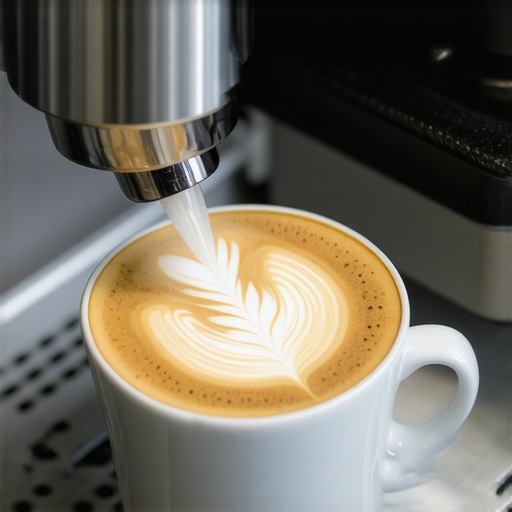
Wet or Dry? 3 Foam Tweaks for Perfect 2026 Cappuccinos
I vividly remember the morning I botched my own attempt at latte art, despite hours of watching tutorials and pouring over guides. The milk was too airy, the foam lacked shine, and my heart sank as I watched my carefully crafted design disintegrate into a cloudy mess. It was then I realized that the secret to a café-worthy cappuccino isn’t just in the coffee—it’s in the microfoam.
The Microfoam Puzzle: Why Small Changes Make Big Differences
When I first started experimenting with milk steaming, I thought I could get away with just turning on the steam wand and hoping for the best. But it turns out, achieving that silky, glossy microfoam is an intricate dance of temperature, technique, and milk type. Interestingly, according to a 2024 study by the Coffee Institute, consistent microfoam elevates the overall coffee experience, making each sip more satisfying and visually appealing. Still, many home baristas struggle to get that perfect foam, often frustrated by airy textures or uneven bubbles.
Are you tired of ending up with frothy milk instead of microfoam suitable for latte art? Have you faced the disappointment of a lackluster crema or spilled milk due to overflowing steam wands? Believe me, I’ve been there, and early on, I made the classic mistake of ignoring temperature control, which led to scalded milk and dull microfoam. That experience taught me the importance of small adjustments in steam pressure and milk positioning.
Let’s set aside the guesswork—it’s time to explore three tweaks that can dramatically improve your foam quality and help you craft those stunning latte art designs with confidence.
Master the Art of Microfoam with Precise Steaming
Start by filling your pitcher to about one-third with cold milk, ensuring smooth steaming without spilling. When steaming, position the steam wand just below the milk surface at a slight angle, similar to directing a gentle jet of water. Turn on the steam and listen for a consistent hissing sound—this indicates steady pressure that produces finer bubbles. As the milk heats up to around 140°F (60°C), tilt and swirl the pitcher gently to distribute the heat evenly and avoid burning. I remember once I was rushing and ignored the temperature, resulting in dull foam—taking the time to monitor and control these variables transformed my microfoam.
Aim for a Shiny, Velvety Texture
Once the milk reaches the right temperature, turn off the steam and immediately remove the pitcher, wiping the wand clean to prevent milk residue. Swirl the milk in the pitcher to integrate air bubbles evenly, creating that glossy, silky microfoam essential for latte art. Practice pouring gently, starting from a higher point to flow the foam into your cup, then lowering to shape your design. I found that when I was impatient and poured too quickly, the foam collapsed. Slow, steady pouring is crucial to maintain the microfoam’s structure.
Adjust Steam Pressure for Consistent Results
Many home baristas struggle because their steam wand pressure varies. If your foam is too airy or leaks large bubbles, your steam pressure might be too high or inconsistent. Using a milk frother with adjustable pressure allows better control—consider upgrading to one that provides fine-tuned adjustments. Remember, the goal is to produce a microfoam that’s smooth and paint-like, not bubbly or dry. I linked this to a comprehensive guide on microfoam creation, which covers ideal pressure settings and techniques.
Perfecting Your Pour: The Critical Final Step
Once your milk is steamed to the right texture, practice pouring from a comfortable height, controlling your flow to shape hearts, rosettas, or tulips. Pour in the center and then move your wrist to draw intricate designs. This step is where small adjustments in pour speed and angle can make or break your design’s clarity. I recall once I was over-excited and poured too aggressively, causing the design to bleed; slow, deliberate pures keep the art crisp. Remember, consistent practice refines these micro-adjustments over time.
Leverage Equipment for Better Outcomes
Investing in quality milk frothers and steamers can elevate your microfoam game significantly. Devices with temperature control and adjustable pressure settings help maintain consistent results, making your microfoam smoother and more forgiving to beginner mistakes. For guidance on selecting the best tools, review the best frothers for microfoam. My personal experience shows that a decent steamer reduces guesswork and increases confidence, leading to better latte art outcomes.
Fine-Tune Your Technique with Practice
Every microfoam session is a lesson. Pay close attention to your milk’s response to temperature and pressure tweaks. Keep notes on what improves or worsens your foam, and adjust accordingly. Remember, consistency is about making small, deliberate changes—like reducing steam pressure or adjusting wand depth—that cumulatively lead to perfect microfoam. As you refine your routine, your latte art will become sharper and more intricate, revealing your growing skill. No matter how many tutorials you watch, hands-on adjustment and patience remain the ultimate tools in mastering microfoam.
Many home baristas believe that achieving perfect microfoam requires only good-quality milk and a decent steaming device, but this oversimplification often leads to mistakes that hinder their progress. A common myth is that hotter milk always results in creamier microfoam; in reality, exceeding 150°F (65°C) can scorch the milk, breaking down the proteins responsible for foam stability and resulting in dull, dry microfoam. According to a 2024 study by the Coffee Institute, temperature control is crucial—not just for safety but for optimal microfoam texture—yet many overlook this nuanced detail, risking a ruined pour. One costly mistake is relying solely on automatic milk frothers without understanding their limitations. These devices often produce inconsistent results because they lack the feedback mechanisms needed to adjust pressure and temperature precisely. Manual steaming, when done correctly, offers superior control, but the common misconception is that it’s inherently more difficult or less precise—this couldn’t be further from the truth, especially when following expert techniques outlined in this comprehensive guide. Another widespread misunderstanding involves the role of milk fat content; many assume that full-fat milk automatically yields better microfoam. However, some low-fat options, like skim milk, can produce exceptionally glossy microfoam if steamed properly, due to their higher protein-to-fat ratio—highlighting the importance of mastering steaming techniques over relying solely on milk type. When it comes to latte art, many think that pouring from a great height is essential for intricate designs; in fact, experienced baristas often pour from lower heights to maintain better control over the microfoam flow. This mistake can cause the foam to disperse unevenly, blurring your patterns. To master these nuances, refining your steam wand technique, understanding milk composition, and controlling temperature are vital. For a deep dive into advanced milk steaming tips, I recommend exploring this resource. If you’re eager to take your microfoam game to the next level, consider investing in equipment with precise pressure and temperature controls, such as top-rated steamers. Remember, mastering microfoam isn’t just about having the right tools—it’s about understanding and controlling the complex interplay of factors that influence foam quality. Have you ever fallen into this trap? Let me know in the comments.Achieving and maintaining cafe-quality microfoam requires the right equipment coupled with a disciplined maintenance routine. My personal preference is the Breville Bambino Plus because of its precise temperature control and adjustable steam pressure, which significantly reduces the guesswork involved in steaming milk. This model empowers me to fine-tune steam pressure, ensuring consistent results every time, even with different milk types. Regular cleaning is crucial—residual milk buildup on the steam wand or pitcher can introduce bubbles and uneven microfoam. I make it a habit to wipe the wand with a damp cloth immediately after steaming and soak the pitcher in warm, soapy water weekly. Such simple routines preserve equipment performance and prevent breakdowns. For scalability, I recommend investing in a dedicated milk pitcher with a temperature guide and a high-quality thermometer, like the no-scald thermometer pitcher. This combo helps maintain optimal milk temperatures, crucial for microfoam consistency and longevity—especially as you experiment with latte art designs. Looking ahead, advancements like smart steamers integrated with app controls are increasingly becoming accessible, promising even more precision and ease of use. According to industry experts, regular calibration and maintenance of your steaming device will be essential as these new tools become mainstream. How do I maintain my equipment over time? I always follow manufacturer-specific cleaning guidelines, perform routine descaling, and periodically check for wear on steam wands and seals. These practices extend the lifespan of my gear and keep my microfoam consistently silky. If you haven’t yet, I urge you to try the advanced tip of investing in a thermometer-equipped pitcher—it’s a game-changer, especially for those aiming to perfect microfoam in different milk types. Proper maintenance and the right tools are the backbone of long-term success in latte art.
Throughout my journey mastering microfoam, I stumbled upon surprising insights that drastically improved my latte art skills. The most impactful lesson was realizing how minor adjustments in steam wand positioning could prevent common pitfalls like large bubbles or dull foam. I wish I had prioritized equipment maintenance earlier—regular cleaning and calibration are game-changers. Also, experimenting with different milk fats taught me that versatility is key; full-fat isn’t always the best choice. These lessons transformed my approach, making each cup a work of art and a testament to the nuances of milk steaming.
Secret Tips That Changed My Microfoam Game
- Applying gentle pressure during steaming prevents overheating milk and creates finer bubbles—trust me, there’s a sweet spot that takes trial and error to discover. Every tweak brought me closer to café-quality microfoam.
- Using a thermometer-equipped pitcher allowed me to maintain precise temperature control, especially with alternative milks like almond or oat. This consistency elevated my latte art beyond casual attempts.
- Understanding that the quality of the milk itself matters more than I initially thought saved me from many failed pours. Fresh, cold milk with high protein content made a noticeable difference.
- Finally, I learned that pouring techniques—like starting from a higher pour for even distribution and then lowering to shape patterns—are more forgiving and produce cleaner designs. Practice with patience, and your microfoam will thank you.
Tools and Resources That Make Microfoam Mastery Easier
- Breville Bambino Plus: Its precise temperature control and adjustable steam pressure help beginners and pros alike maintain consistency. I found that investing in reliable equipment reduces guesswork and frustration.
- No-Scald Thermometer Pitcher: This tool is invaluable for maintaining optimal milk temperatures, particularly when experimenting with different milk types. It’s become my go-to for microfoam perfection.
- Online Coffee Forums and Tutorials: Sharing experiences on platforms like Reddit’s r/latteart or watching expert demonstrations on YouTube has expanded my understanding and inspired new designs. Look for content focused on detailed steaming techniques.
- Mastering milk steamer techniques offers in-depth tips that helped me troubleshoot persistent issues and refine my craft.
Chasing Excellence: Your Path to Microfoam Confidence
Microfoam is an art that rewards patience, practice, and curiosity. Embrace each steaming session as an opportunity to learn something new about your equipment and milk. With every tweak and trial, you’ll uncover the subtle factors that make a difference—from milk fat content to wand positioning. Remember, even the most renowned baristas are continually refining their technique. The key is to enjoy the process and celebrate small victories along the way. You’re on the cusp of creating microfoam that will amaze—keep pouring your passion into each cup!