
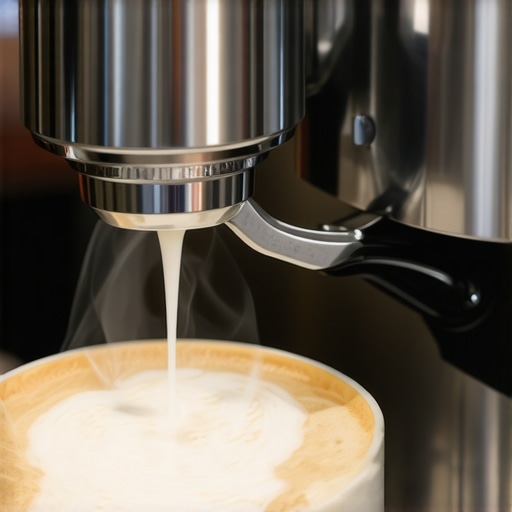
Ultimate Guide: Microfoam & Milk Frother Tips for Perfect Lattes
I remember the first time I tried making a latte at home. Eager and a bit nervous, I frothed my milk with what I thought was the best method, only to end up with bubbly, unsteady foam that looked more like whipped cream than the smooth microfoam I craved. Frustrating, right? That frustrating moment was a lightbulb, revealing that achieving professional-quality microfoam isn’t just about fancy equipment—it’s about technique, patience, and knowing the right tips. If you’ve ever found yourself staring at a steaming pitcher, wondering why your latte didn’t turn out picture-perfect, you’re not alone. The good news? Today, we’re going to solve that problem together, diving into proven milk frother techniques that turn beginners into latte artists.
Why Microfoam Matters More Than You Think
If you’re serious about your coffee, you’ve probably come across the term “microfoam”—that velvety, smooth foam that makes your latte not just tasty but visually stunning. Microfoam isn’t just aesthetics; it impacts the taste and texture of your drink. A well-made microfoam accents the rich espresso, creating a balanced sip with a silky mouthfeel. But achieving this perfection is surprisingly tricky, especially for home baristas.
What many overlook initially is that even high-end milk frothers can’t do the job without the right technique. I used to think that just pouring steamed milk over espresso would do, but I learned the hard way—early in my journey—that rushing the steaming process results in flat or overly bubbly foam. That mistake was a setback, but also a moment of learning. According to a study by the National Coffee Association, the texture of milk significantly influences the overall quality of a latte, underscoring the importance of mastering microfoam.
If this sounds familiar, let me ask—have you ever faced the frustration of uneven or too-bubbly foam that spoils your latte art? Well, you’re in the right place. We’re about to explore the essential tips for turning your milk into a velvety microfoam, elevating your coffee experience.
Before we jump into the techniques, I recommend giving a quick visit to our detailed guides, such as the [Ultimate Milk Steamer & Frother Guide for Perfect Microfoam](https://milkfrothers.espressotechguide.com/ultimate-milk-steamer-frother-guide-for-perfect-microfoam-cappuccino), which offers comprehensive advice for every step.
Now, let’s demystify the process and ensure your next cup features that glossy, smooth microfoam you’ve been dreaming of.
Steaming Milk with Precision
Begin with cold, fresh milk, filling your pitcher only halfway to allow space for expansion. Submerge the steam wand just below the surface and turn on the steam. Think of the wand as an artist’s brush—control is key to creating a canvas of velvety microfoam. As you steam, gently tilt the pitcher to encourage a whirlpool motion, which integrates air smoothly for a uniform texture. I once started with too much angle, causing uneven foam, but adjusting gradually transformed my results. For detailed tips, visit our comprehensive steaming guide.
Mastering Milk Texture
Once the milk reaches about 140°F (60°C), turn off the steam and remove the pitcher, swirling it gently to eliminate any large bubbles. The goal is a shiny, silk-like microfoam with tiny bubbles that resemble a fine paint job. To assess, dip a spoon and observe if the foam appears creamy and dense. I recall a moment during my early attempts when I rushed the cooling phase—taking a pause made the difference between bubbly and velvety milk. Think of microfoam as a smooth satin fabric rather than frothy waves. For advanced techniques, check out our microfoam mastery tips.
Practicing for Precision Latte Art
With your microfoam ready, pour with purpose—start by gently tilting the cup and pouring from a height to integrate the milk. As the cup fills, lower the pitcher and swirl to create contrast. A steady hand and controlled pour make the difference between a rustic swirl and intricate latte art. I remember my first attempt at free pouring—initially shaky, but patience and consistent practice improved my designs remarkably. Think of your pour as a painter’s stroke—deliberate and smooth. Want to elevate your skills? Visit our latte art techniques section for expert guidance.Many home baristas are led astray by prevalent myths that hinder their progression toward café-quality microfoam. One widespread misconception is that using the highest-fat milk automatically results in creamier microfoam. While fat content influences texture, it isn’t a standalone factor; the key lies in proper steaming technique and milk handling. Overlooking this can cause beginners to chase the elusive perfect foam without understanding the underlying principles.
Another trap is believing that the type of frother or steamer crucially determines success. In reality, even premium equipment can underperform if user technique is flawed. Moreover, some assume that hotter milk always yields better microfoam; in truth, exceeding optimal temperatures (around 140°F or 60°C) causes proteins to coagulate, leading to dull, flat foam. Controlling temperature is as vital as controlling airflow during frothing.
A hidden nuance often missed is the importance of milk freshness. Fresh milk emulsifies better, creating a silkier microfoam, but many neglect to check freshness or storage conditions. Additionally, many focus solely on the steaming phase, neglecting the importance of swirling and cooling the milk afterward, which ensures uniform microstructure and prevents large bubbles from forming.
Advanced baristas know the subtle art of controlling airflow to avoid over-aeration, which produces bubbly foam instead of velvety microfoam. The misconception that more foam equals better foam can lead to mistakes; microfoam requires minimal but precise aeration. According to experts at the Specialty Coffee Association, mastering air infusion enhances microstructure quality significantly.
Be cautious not to fall into the trap of rushing the process. Patience during steaming and cooling phases deeply impacts foam texture. Rushing can cause large bubbles or uneven microstructure, undermining latte art potential. For those looking to refine their technique or troubleshoot common issues, I recommend consulting comprehensive guides like the ultimate guide to milk steamer tips.
Also, don’t overlook the role of milk temperature monitoring tools; a simple thermometer can prevent overheating and ensure optimal microfoam development. Remember, practice, patience, and understanding the nuanced science behind microfoam distinguish a casual enthusiast from a true espresso artist. Have you ever fallen into this trap? Let me know in the comments.
Keep Your Equipment in Peak Condition for Consistent Microfoam
Investing in quality milk frothers and steamers is just the beginning. To ensure your device continues delivering silky microfoam and flawless latte art, regular maintenance is essential. Personally, I swear by using a soft, damp cloth to wipe the steam wand after each use, preventing milk residue buildup that can clog the nozzle and degrade performance over time. Avoid harsh chemicals; instead, use gentle cleaning solutions compatible with your equipment to preserve longevity. For deep cleaning, descaling your steamer periodically is vital—many baristas recommend a mixture of water and vinegar, but always check manufacturer guidelines to prevent damage. Maintaining your equipment not only extends its lifespan but also ensures each cup maintains professional quality. Prediction-wise, with innovations like auto-cleaning systems emerging, future devices may require even less manual upkeep, but staying vigilant remains crucial.
How do I maintain my milk steamer over time?
Regular cleaning is key. After steaming, wipe the wand thoroughly with a damp cloth to remove residual milk and prevent clogging, as recommended by industry experts at our comprehensive steaming guide. Descale the unit every few months, especially if you notice reduced steaming performance or uneven frothing. Using soft brushes or specialized cleaning kits designed for milk frothers can help clear internal milk channels and valves, maintaining optimal airflow and temperature control. Keeping your equipment clean and well-maintained guarantees consistent microfoam quality and preserves flavor integrity over time.
Take control of your steaming routine today by incorporating a regular cleaning schedule and investing in quality descaling solutions. These simple steps make a big difference, ensuring your favorite beverage remains café-quality for years to come. Want to go a step further? Check out our ultimate guide to milk steamer care for expert insights.
Three Surprising Truths I Learned on My Microfoam Quest
One of the biggest revelations was realizing that even with the best equipment, technique reigns supreme. I once believed that upgrading my frother would instantly improve my microfoam, but I discovered the real magic came from understanding how to control airflow and temperature. Another lightbulb moment was the importance of milk freshness—using fresh, high-quality milk dramatically elevated my results and made the process more forgiving. Finally, I learned that patience is your greatest ally; rushing the steaming or cooling phases results in bubbly, flat microfoam. These insights transformed my approach and are lessons I wish I had embraced sooner.
Tools That Shaped My Coffee Craftsmanship
For anyone serious about perfecting microfoam, I highly recommend investing in a reliable thermometer—precision in temperature control makes all the difference. The ultimate guide to milk steamer tips offers invaluable advice on calibration and technique. Additionally, a quality milk frother like the Breville or Nespresso models can serve as excellent starting points. Complement your equipment with a detailed troubleshooting guide such as our tips for flawless microfoam to ensure consistent results. Remember, combining dependable tools with continual learning elevates your coffee game to professional levels.
Your Coffee Evolution Starts Today
Embrace these insights and take charge of your microfoam craft. Each cup is an opportunity to perfect your skills and enjoy the process of creating latte art that truly impresses. Keep experimenting, stay patient, and celebrate every small victory on your journey toward barista-quality microfoam. Whether you’re preparing for a weekend brunch or just elevating your daily coffee routine, you have the power to transform your home-brewed drinks. Ready to make your next latte a masterpiece? Your perfect microfoam awaits!
What’s been your biggest challenge in creating microfoam? Share your story below and let’s learn from each other!