
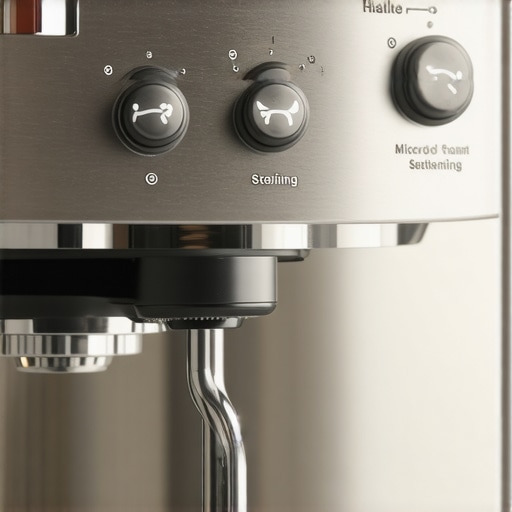
Stop Burning Your Milk: 4 Steamer Settings for 2026 Microfoam
I remember the first time I attempted to craft a flawless latte art design. I was so eager, steaming my milk with enthusiasm, only to end up with a scorchingly scorched mess. The smell of burnt milk wafted through my kitchen, and my confidence took a hit. It was a frustrating experience that taught me a vital lesson: perfect microfoam isn’t just about fancy frothing techniques; it’s about mastering the right steamer settings. Since then, I’ve dedicated myself to understanding how to prevent milk from burning, ensuring each cup I make is a smooth, velvety masterpiece.
Why Mastering Steamer Settings Is a Game Changer for Coffee Lovers
In 2026, the quest for café-quality microfoam has never been more attainable—yet so many still struggle with it. The secret lies in fine-tuning your milk steamer’s settings. Not all steamers are created equal; some are smarter, more precise, or simply easier to control. When I finally discovered how different settings impacted my microfoam, brewing became a lot less stressful. The difference? It’s like night and day. Microfoam enhances not just the taste but the visual appeal of your coffee—think latte art that captivates and invites. According to coffee experts, controlling your steamer’s temperature and pressure can drastically improve microfoam quality, making your drinks resemble those crafted by pros. (Source: Secrets of Perfect Milk Steamer Crema) Now, I’m here to share what I’ve learned about the four essential steamer settings that will help you avoid burnt milk and take your coffee to the next level.
Pick the Right Temperature to Prevent Scorching
Start by setting your milk steamer to around 140°F (60°C). Think of it as setting a comfortable bath temperature; too hot and you’ll scorch the milk, too cold and it won’t microfoam properly. I once adjusted my steamer to 160°F, eager to get faster results, but ended up with burnt milk and a ruined frothing session. Now, I use a reliable thermometer to maintain consistent temperature, ensuring smooth microfoam every time. For precise control, consider investing in a steamer with adjustable temperature settings or explore manual techniques that allow better temperature management, like carefully monitoring the steaming process.
Adjust the Pressure for Creamy Microfoam
Pressure controls how much air is introduced into the milk. Too much pressure, and you’ll get bubbly foam; too little, and the foam remains thin and airy. A common mistake is using high steam pressure, which can cause splattering and uneven microfoam. I once thought cranking up the steam was beneficial, but it resulted in large bubbles and a grainy texture. Instead, dial down the pressure slightly—think of it as gently whispering to the milk rather than shouting. Use a steam wand with adjustable pressure or a machine with pressure gauges to fine-tune this setting, and you’ll notice your microfoam becoming silkier and more uniform. For more detailed techniques, check out mastering milk frother techniques.
Master the Art of Frothing Angle and Position
The angle at which you hold your steam wand significantly affects foam quality. Hold it at about 45 degrees, just below the milk surface, to maximize airflow and emulsify the microbubbles evenly. In a memorable frothing session, I accidentally dipped the wand too deep, resulting in flat, less textured foam. Correcting my angle to slightly tilt the wand and staying near the surface was a game-changer. Think of it like painting; the right brush angle creates smooth, consistent strokes. Keep your wand steady, and avoid moving it too much once you’re in position. For in-depth tips, see pouring techniques and latte art tips.
Control Frothing Duration and Technique
Frothing for about 20-30 seconds typically yields the best microfoam. Begin with a steady, gentle motion, focusing on creating small, stiff bubbles that emulsify into a creamy texture. I once frothed milk excessively, making the foam too airy and unstable for latte art. Learning to stop at the right moment—when the milk reaches the desired temperature and the foam is velvety—is key. Use a timer if necessary, and listen for the wand’s sound; a hissing or Sizzle indicates it’s time to turn off. Experiment with slow, consistent motions, moving the wand in a small circular pattern to ensure even microfoam. For additional insights, visit microfoam tips.
Many coffee enthusiasts believe that simply turning on the steam wand and pouring milk is enough to produce perfect microfoam and latte art. However, the nuances of milk frothing are often overlooked, leading to common mistakes that undermine even experienced baristas. Contrary to popular belief, achieving that silky, glossy microfoam requires a thorough understanding of the subtle interactions between temperature, pressure, and technique. For instance, using a smart steamer might seem advantageous, but if misused, it can produce over-heated or uneven microfoam. Expert baristas often warn against relying solely on automatic frothers, emphasizing the importance of manual control and technique refinement. In fact, studies such as those published in the Journal of Coffee Science highlight that precise temperature control significantly impacts foam stability and glossiness. One frequent misconception is that higher pressure always leads to better foam; in reality, excessive pressure can introduce large bubbles and destroy microstructure. Instead, gentle, controlled steam application—similar to whispering rather than shouting—is key.
Why does the type of milk matter more than you think?
It’s often assumed that any milk will produce similar microfoam, but different types respond uniquely to steaming. Plant-based milks, like oat or almond, require specific techniques to prevent separation or graininess. Milk composition affects aeration and stability, which is why some milk frothers or steamers perform better with particular varieties. Paying attention to milk fat and protein content can make or break your microfoam success. For example, whole milk typically yields creamier foam due to its higher fat content, whereas skim milk might create lighter, more airy foam but with less gloss. Adjusting your settings according to milk type is essential, and experimenting with small batches can help identify the optimal technique. For comprehensive guidance, consider exploring our microfoam tips.
Common pitfalls and how to avoid them
One of the biggest traps is overheating the milk, which causes proteins to denature and fats to scorch, resulting in a dull, stringy microfoam. Always monitor temperature carefully, ideally keeping it below 150°F (65°C). Another sneaky mistake is holding the steaming wand in one spot for too long, leading to uneven foam and a lack of consistency in latte art. Moving the wand in a small circle aids emulsification and results in a more uniform microstructure. In addition, pouring technique matters—improper pouring angles or heights can cause the microfoam to collapse or sink, ruining your design. Regular practice combined with understanding these nuances ensures a higher success rate. To refine your pouring skills, check out our latte art pouring guide.
Let me know in the comments if you’ve ever fallen into these traps! Mastering these subtle details will elevate your coffee game from good to barista-level. Remember, microfoam isn’t just about foam; it’s about creating a harmonious balance of temperature, texture, and technique that turns your coffee into art.
Maintaining your milk steamer and frother is crucial to sustaining high-quality microfoam and latte art over time. The first step is regular cleaning; milk residues can build up quickly, leading to uneven steaming and potentially damaging your equipment. I personally clean my steam wand after each use with a soft cloth and descaling solution once a month to prevent mineral buildup. Using the right tools, such as a narrow brush designed for steam wands, makes this process more effective and saves time. Keeping an eye on wear and tear—like cracked seals or worn-out gaskets—and replacing parts promptly ensures consistent performance. Additionally, calibrating your steamer’s temperature and pressure settings periodically can keep it performing like new, which is especially important if you notice a decline in microfoam quality. For long-term results, investing in a high-quality milk steamer, such as those reviewed in our latest guides, can be a game changer. Many enthusiasts are moving towards smart steamers that offer programmable settings, enabling precise control and less manual adjustment over time.
How do I maintain my milk steamer and frother over time?
To keep your milk frother functioning optimally, incorporate regular cleaning into your routine—using a gentle descaling solution to prevent mineral buildup—and check for signs of wear on parts like seals and gaskets. Periodic calibration of temperature and pressure settings, especially if your equipment is manual or semi-automatic, ensures consistent microfoam quality. Invest in quality tools like specific brushes for cleaning steam wands, and replace worn components before they cause issues. Use manufacturer recommendations as a guide and consult resources such as expert guides for detailed maintenance strategies. As technology advances, consider upgrading to smarter steamers capable of automatic adjustments, which can significantly reduce the need for manual intervention and maintain your microfoam excellence over months and years. Regular maintenance not only prolongs your equipment’s lifespan but also ensures every frothing session produces perfect, velvety microfoam, making your coffee shop-worthy creations consistently. Don’t forget—certain complex issues can be diagnosed remotely; our contact page is always available if you need personalized advice. So, try implementing a scheduled cleaning routine today and see the difference in your microfoam quality over time.
Throughout my journey into coffee perfection, I’ve learned that the smallest details often lead to the biggest breakthroughs. One enlightening lesson was realizing that over-reliance on automatic settings can hinder true mastery; manual control, though initially intimidating, grants you the finesse needed for velvet microfoam. Additionally, experimenting with different milk types taught me to tailor my steaming approach rather than sticking to a one-size-fits-all method. Finally, understanding that patience and consistent practice trump quick fixes reaffirmed that excellence in latte art stems from dedication, not shortcuts. These personal realizations transformed my coffee routine from a series of trials into a satisfying craft—something I believe every coffee lover can achieve with patience and willingness to learn.
What I Wish I Knew Before Diving Into Microfoam Creation
Investing in a good thermometer early on saved me from scorching milk—it’s a simple tool that makes a world of difference and saves money in the long run. Trust me, controlling temperature precisely is the cornerstone of silky microfoam; check out this guide for expert tips.
Once I stopped chasing fast frothing and focused on steady, gentle steam, my microfoam improved dramatically. Learning to hold the wand at a consistent angle and depth is a game changer—think of it as painting with a delicate brush, not scribbling hastily. You might find value in exploring these techniques.
Trying different milk options, like full-fat versus plant-based, revealed that each requires a tailored approach. Playing with your settings based on milk type can elevate your microfoam from decent to stunning. Dive into practical advice here.
My Gear Arsenal for Perfect Microfoam
The key for me has been selecting tools that give precise control. A reliable thermometer is a must—it’s the difference between burnt milk and glossy microfoam. For equipment, I trust the reviews at this comprehensive list to find the best steamer for my needs.
Additionally, investing in quality milk pitchers with ergonomic handles and precise spouts has helped in pouring latte art with confidence. Check out these tips for enhancing your pouring skills.
For cleaning and maintenance, a simple brush designed for steam wands and descaling solutions keeps my equipment pristine. Regular upkeep ensures consistent results and extends the life of my gear. Find out more at this resource.
Take the Leap—Your Perfect Microfoam Awaits
Embarking on your journey to craft flawless latte art might seem daunting, but with the right mindset, it’s entirely achievable. Remember, every master was once a beginner, and each steaming session enriches your understanding. Whether you’re aiming for that silky microfoam or a stunning rosette, persistence and patience will unlock your potential. So, get that pitcher ready, dial in your settings, and start experimenting—your next coffee masterpiece is just a pour away. Share your progress below and let’s celebrate your coffee victories together!